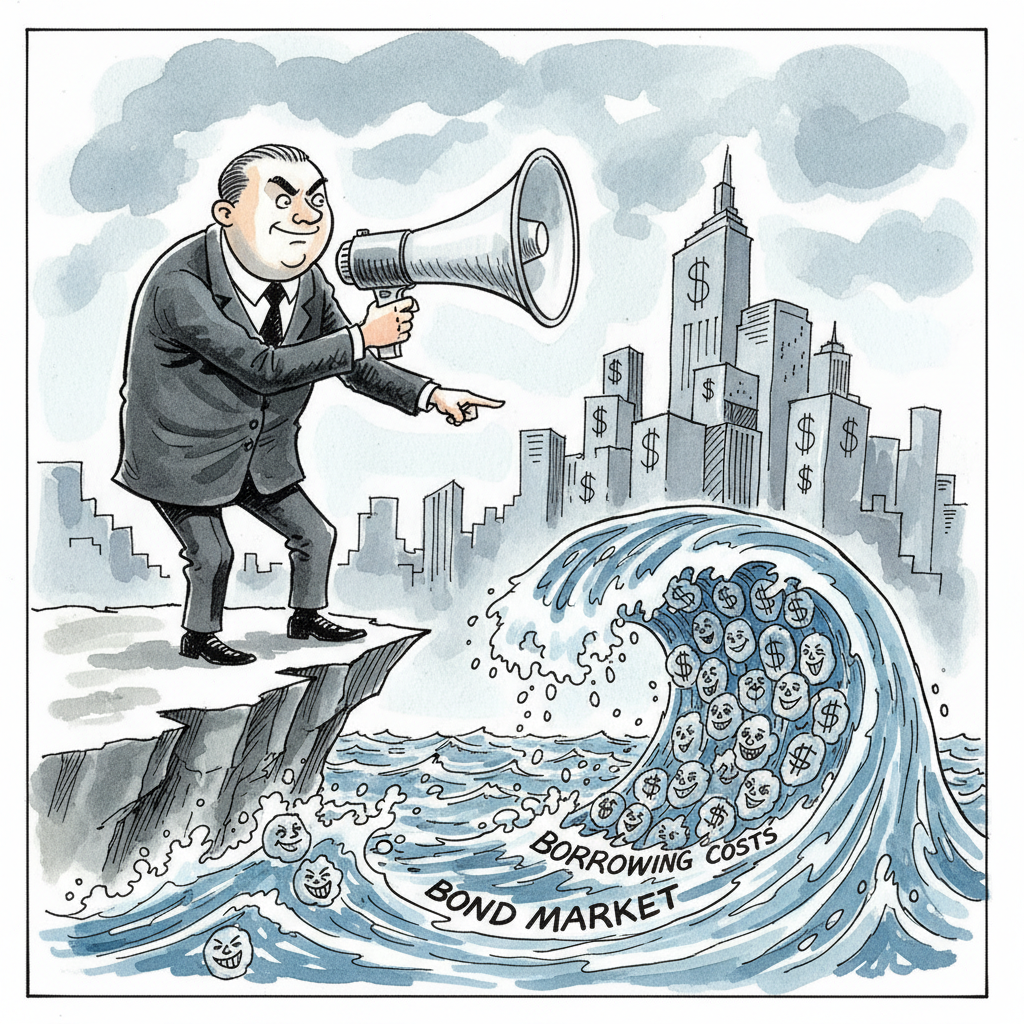
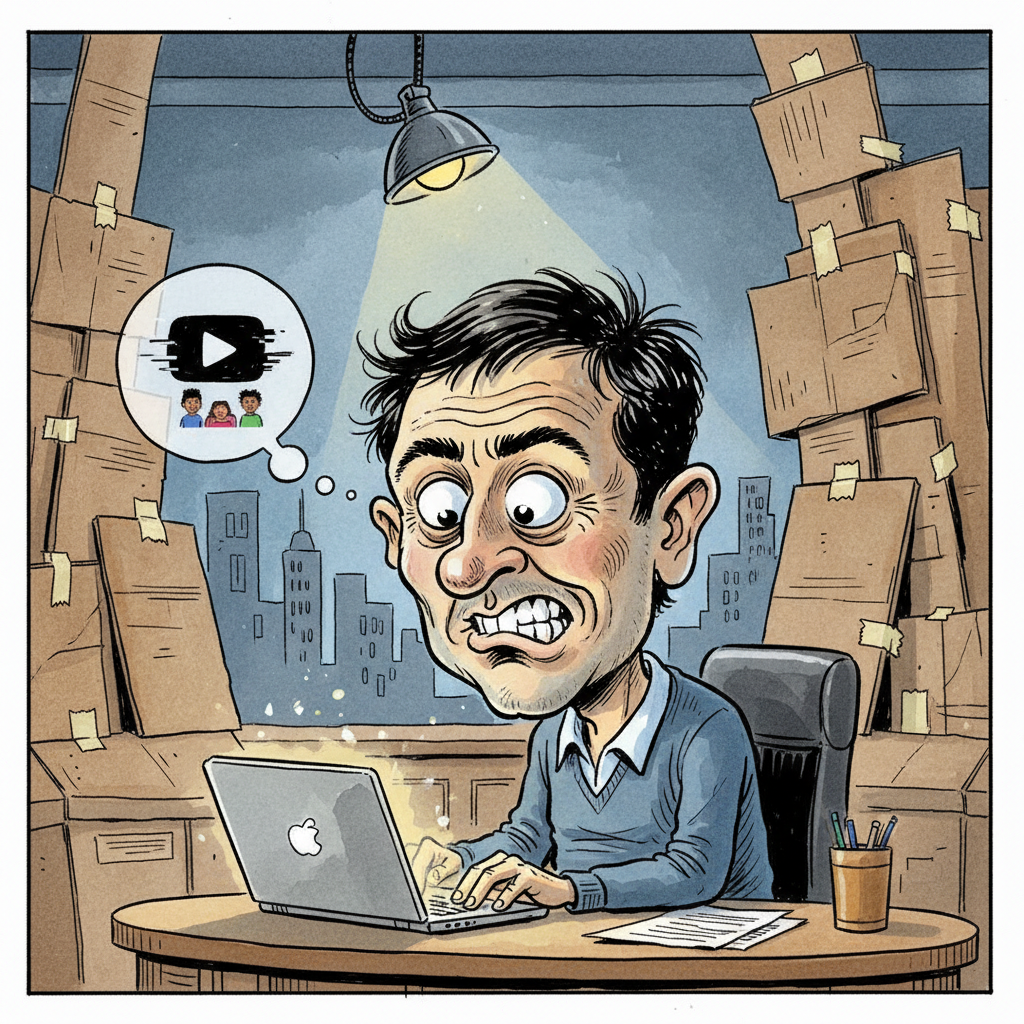
In a stunning display of economic jiu-jitsu, the nation’s bond market, apparently comprised entirely of precocious toddlers and highly caffeinated hedge fund managers, has decided to collectively "hold Treasury Secretary Bessent's beer." What began as a playful, yet deeply ill-advised, dare to "Bloomberg terminal bros" – effectively challenging the global financial system to a high-stakes game of chicken – has devolved into a fiscal spectacle of biblical proportions, if biblical proportions involved spreadsheets and deeply uncomfortable interest rates.
Sources close to the Treasury Department, who spoke on condition of anonymity to avoid being next on Bessent’s "who's gonna try me?" list, report that the Secretary had envisioned a triumphant, cinematic moment, perhaps complete with a slow-motion walk-away from a metaphorical explosion of vanquished bears. Instead, he's found himself embroiled in a real-life, market-driven equivalent of an awkward family reunion where everyone keeps asking about his 'bold strategy.' Industry analysts are now projecting that the collective 'nuh-uh' from the bond market could add untold billions to the national debt, prompting one economist to quip, "It's almost as if daring people to bet against you only works if you're holding all the cards, and not, say, a handful of I.O.U.s and a slightly deflated ego."
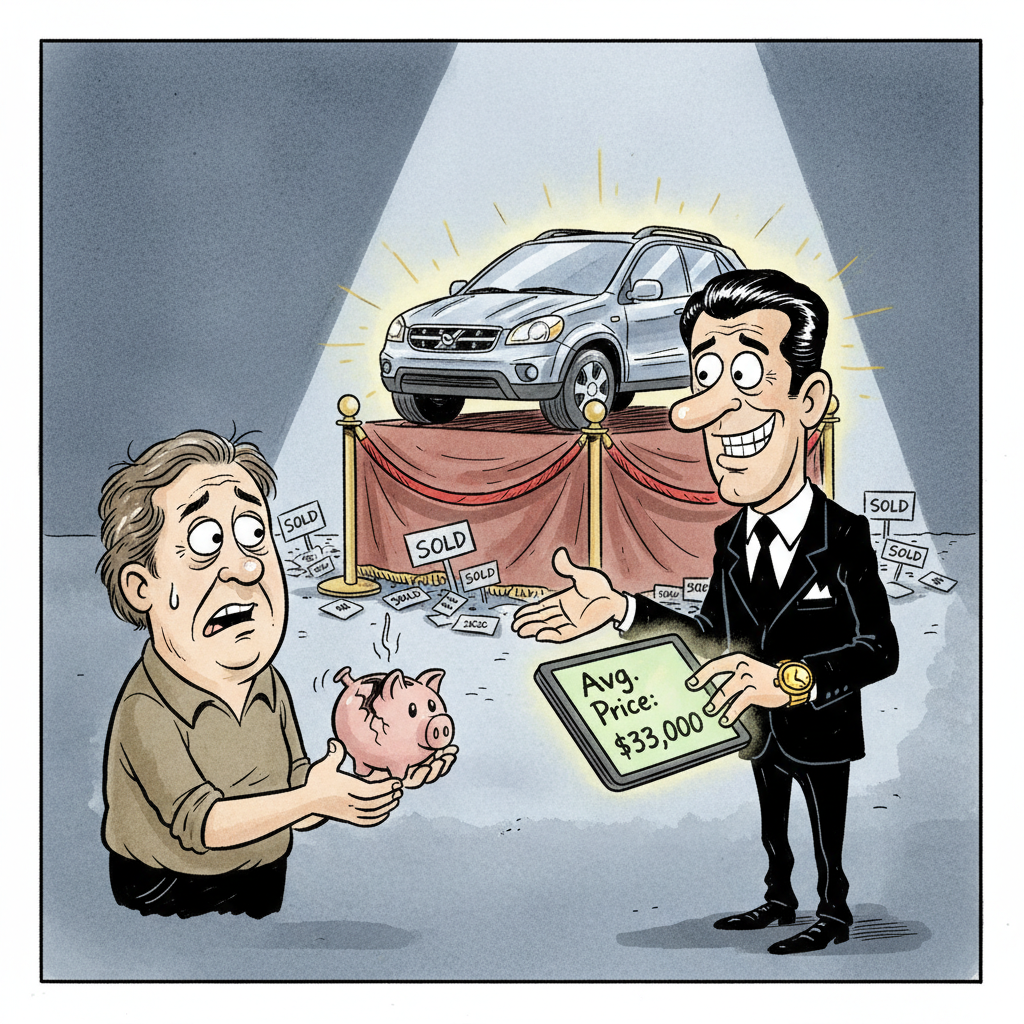
It appears the humble 'three-year-old car,' once the beacon of fiscal prudence for the upwardly mobile yet fiscally constrained, has officially ascended to the pantheon of luxury goods. Industry analysts, perhaps from their private jets en route to Geneva, have noted that what was once a sensible depreciation sweet spot now commands an average price tag akin to a small, slightly-used organ donor. Consumers, who merely sought to transport their offspring to soccer practice without incurring a monthly payment equal to a small nation's GDP, are now reportedly considering pre-owned bicycles with comprehensive theft insurance as a viable alternative. This market recalibration ensures that only the truly committed, or those recently divested of a small tech startup, can experience the joy of a lightly-scratched bumper and a faint smell of forgotten fast food. It's not a pricing crisis, you see; it's an elevated consumer experience.
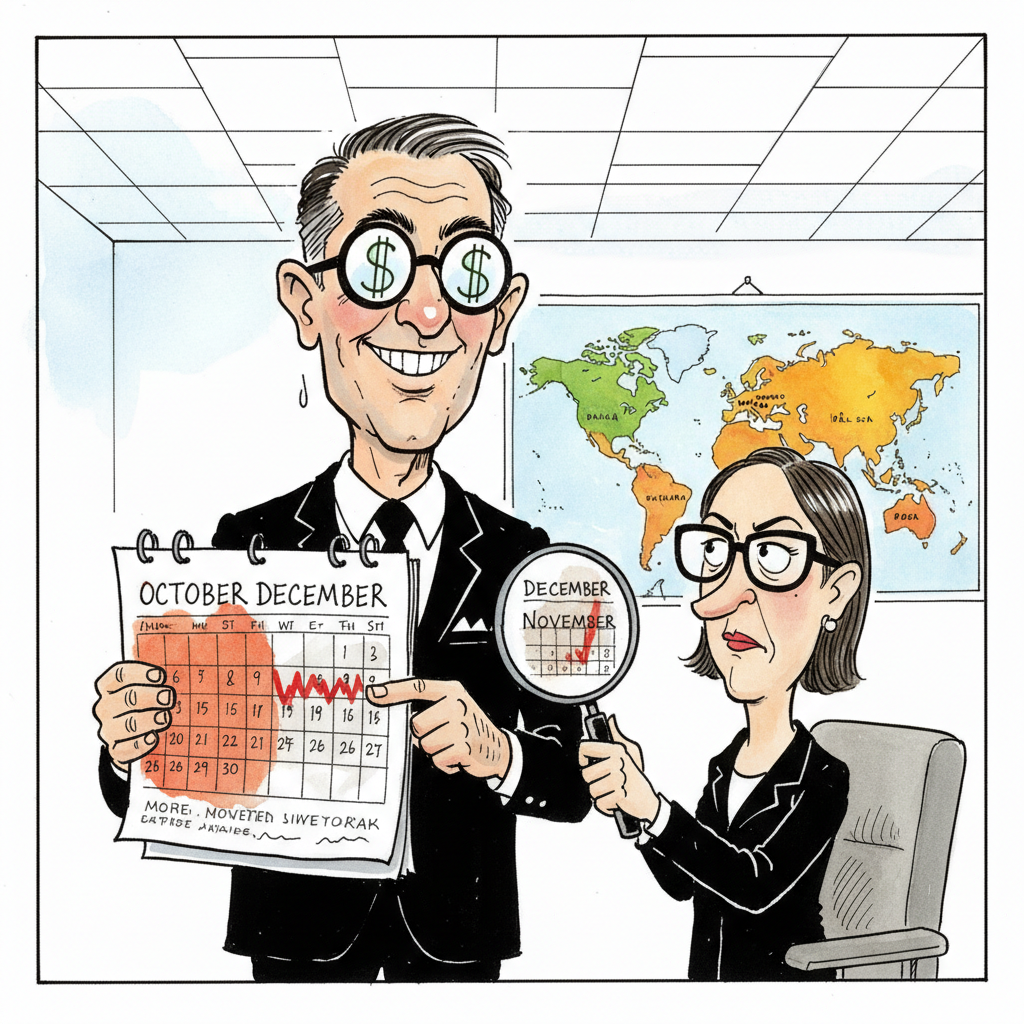
A collective gasp reverberated through the global tourism sector this week as reports confirmed what many had previously dismissed as an urban legend: November is, in fact, a discrete and navigable 30-day period. For years, industry mavens had operated under the convenient fiction that the human calendar leaped directly from the pumpkin-spice-infused hysteria of October into the consumerist fever-dream of December, leaving a temporal void where only the truly desperate dared to tread. But now, with the heretofore sacred 'shoulder season' of September and October being aggressively colonized by Instagram influencers and remote workers armed with VPNs, intrepid leisure-seekers have begun to tentatively poke their heads into the desolate, bargain-bin landscape of November.
Experts theorize this shocking discovery stems from a primal human need to escape the crushing banality of everyday life, even if it means confronting the chilling reality of a Tuesday in November in, say, an unheated Tuscan villa. "It appears that the sheer volume of vacation-starved citizens has reached a critical mass," explained Dr. Elara Finch-Middlesworth, a semi-retired anthropologist now consulting for 'Dispatches from the End of Times Tourism.' "People are simply running out of culturally sanctioned, aesthetically pleasing times to flee their responsibilities. November, it seems, was the only unspoiled temporal frontier left, a last refuge for the genuinely committed escapist before the pre-Christmas panic sets in. God help us all when they discover February."
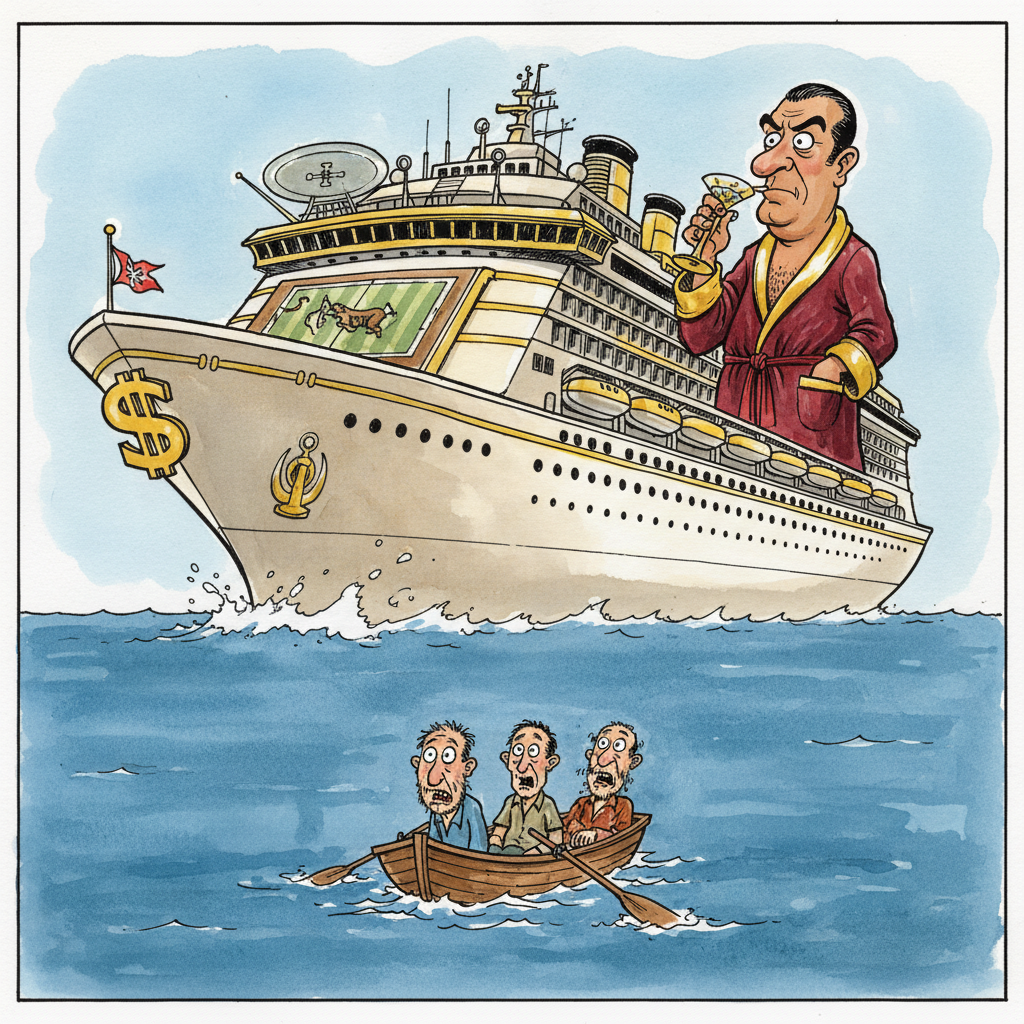
In a move hailed by those who already own three homes and a modest Gulfstream, a fresh armada of 'ultra-luxury' cruise ships is setting sail, promising personalized experiences so exclusive, they practically require a DNA sample proving you’re not a tourist. These aquatic McMansions, designed to resemble superyachts that swallowed smaller superyachts, boast amenities like 'personal butler service' – because who wants to walk two feet for a bespoke single-origin Kona coffee when someone else can do it while performing a soft-shoe routine? Industry insiders suggest the true innovation lies in the subtle psychological conditioning, ensuring passengers never have to interact with anyone whose net worth is below the median GDP of a small nation. The vessels, featuring 'unrivaled spaciousness,' are rumored to include a private consciousness for each guest, eliminating the need to acknowledge fellow travelers at all. Food, naturally, is 'beyond exquisite,' with chefs reportedly sourcing ingredients from parallel dimensions to ensure nobody accidentally tastes anything remotely reminiscent of 'the regular ocean.' Critics, primarily those not currently enjoying unlimited caviar in a penthouse suite, worry these floating palaces might exacerbate social stratification, but frankly, who cares when you can have a hot tub *inside* your hot tub?
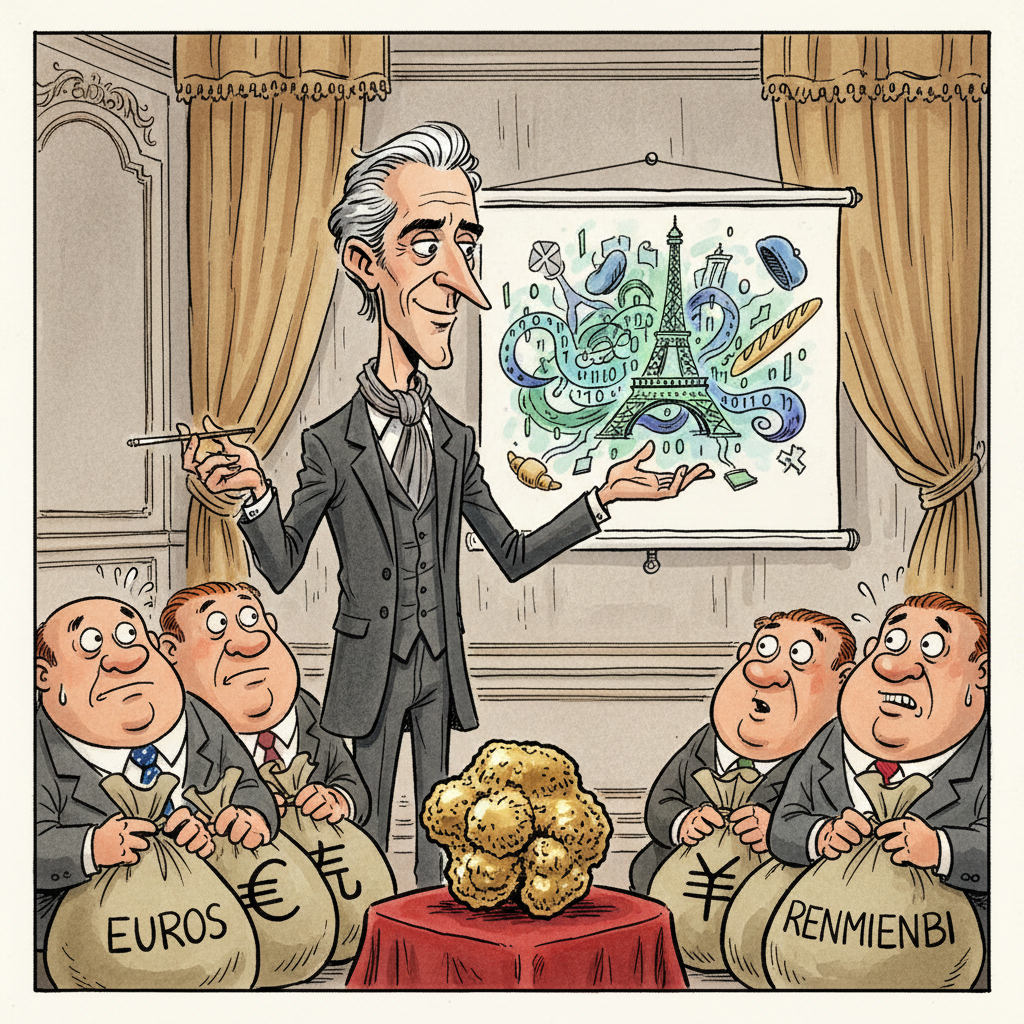
In a move that industry analysts are calling 'surprisingly French,' Paris-based AI sensation Mistral has officially secured a breathtaking $3.5 billion in funding, ostensibly to 'keep pace with American and Chinese rivals.' The audacious capital injection, rumored to have been paid entirely in bespoke truffles and the collective sigh of a million underwhelmed venture capitalists, positions Mistral as Europe's premier purveyor of algorithms that will, presumably, also struggle with existential dread and occasionally hallucinate facts. Company CEO Antoine Blondeau, seen celebrating by eloquently shrugging and lighting a Gauloise, stated the funds would guarantee 'a distinctly European approach to computational sentience,' which sources suggest involves prioritizing abstract philosophical debates over actual product launches and ensuring any robot overlords speak impeccable Molière. Investors, many of whom admitted to not fully grasping what 'AI' entails beyond 'computers that do stuff,' were reportedly swayed by Mistral's promise of an alternative to Anglo-American tech, ideally one that can critique its own code with a certain melancholic je ne sais quoi. The future of global automation, it seems, will now include both Silicon Valley's relentless optimism and Europe's financially robust ennui.
In a stunning revelation that has rattled the very foundations of cable news, sources within Fox Corporation report the company has finally stumbled upon an obscure legal principle known colloquially as 'defamation.' This groundbreaking discovery, made possible by a $787.5 million learning experience, led directly to the sudden un-scheduling of veteran anchor Maria Bartiromo, who, according to internal memos, was 'reassigned' to a state of not being on television.
Ms. Bartiromo, often hailed as a pioneer in the field of televised credulity, was among the last remaining on-air personalities whose broadcasts directly contributed to the network's historic decision to, quote, 'settle the ever-loving pants off' Dominion Voting Systems. While executives maintain the move was merely 'part of a routine talent rotation and general sanitization initiative,' analysts suggest it might also be a cunning new strategy to avoid bleeding a billion dollars a pop. Insiders note that future network policies may include requiring on-air talent to at least *pretend* to verify claims, though this remains, for now, an unconfirmed rumor.
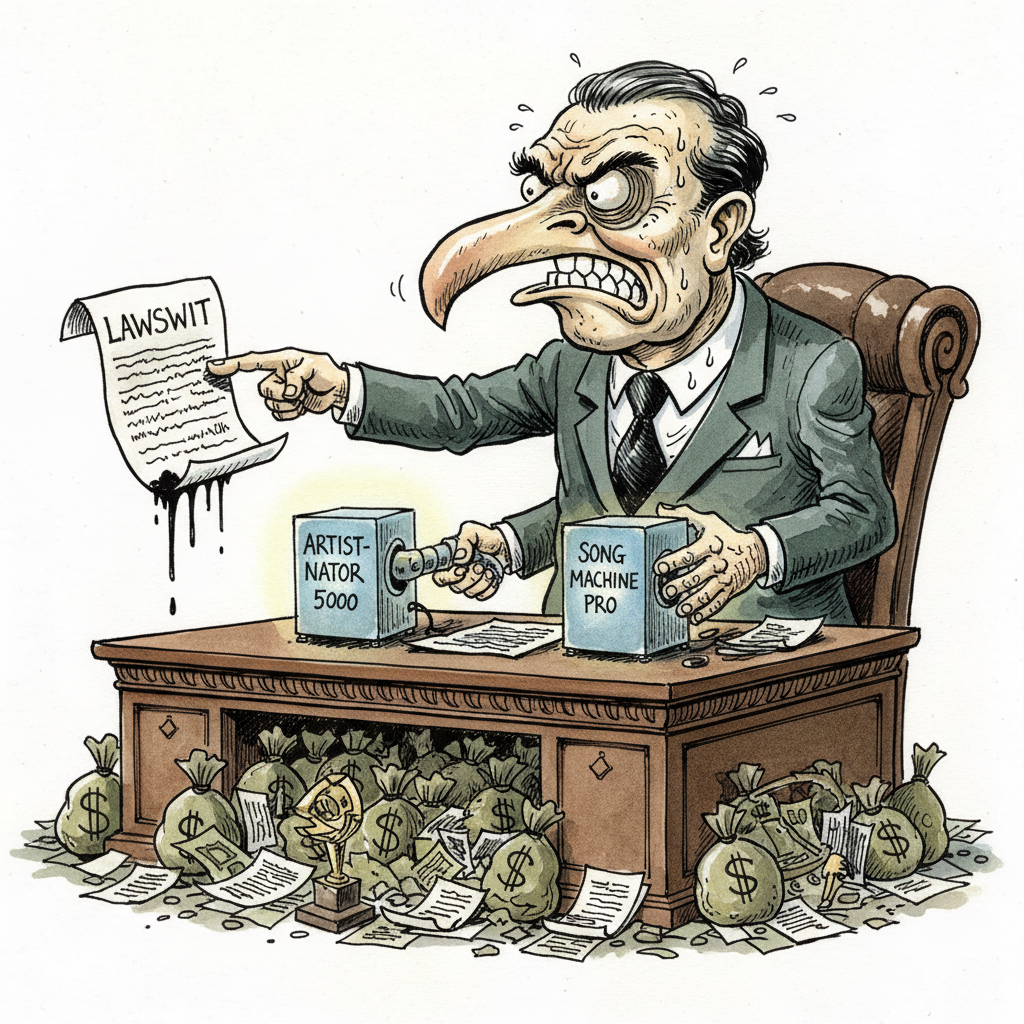
The Recording Industry Association of America (RIAA), fresh off a grueling decade of proving that downloading a song is essentially an act of international espionage, has found itself in a rather rhythmic pickle. On one hand, generative AI — which, let's be honest, sounds suspiciously like 'algorithmically-enhanced plagiarism' — is allegedly stealing intellectual property faster than a TikTok trend disappears. Naturally, lawsuits have been filed against these digital troublemakers, because copyright infringement is, as we all know, an industry's sacred cow, preferably one that milks itself. However, in a move that can only be described as a masterclass in 'having your cake and eating it too while simultaneously suing the baker for baking your cake,' some major labels are also eagerly partnering with the very same AI entities they're suing. One major conglomerate, exhibiting the kind of strategic agility usually reserved for chameleons on a plaid tablecloth, has reportedly done both. This bold, multi-pronged approach confirms what many have long suspected: innovation is only truly innovative when it's *their* innovation, and theft is only truly theft when *you're* the one doing the thieving, not when it's rebranded as 'exploring new creative avenues' or 'leveraging proprietary technology to unlock unprecedented value streams.' Expect a new legal brief soon, defining the precise pixel-count difference between 'unauthorized sampling' and 'strategic algorithmic collaboration'.
In a move that has pundits scrambling for their tattered copies of 'Machiavelli for Dummies,' U.S. officials are reportedly nudging Chevron, the petroleum behemoth, to plunge more deeply into Venezuela's oil reserves. Apparently, nothing says 'supporting democracy' quite like funneling capital into a regime the State Department officially despises, especially when there's a lucrative black goo involved. Sources close to the situation (who are probably just the guy who cleans the White House toilets) suggest this geo-economic maneuver is a 'potential win' for former President Trump, proving once again that 'foreign policy' is just a sophisticated term for 'who gets to drill for what.' Critics, primarily those who haven't yet received their oil futures dividends, are calling the strategy 'morally ambiguous,' while proponents laud it as 'exceptionally pragmatic' – which, translated from Washington-ese, means 'we stand to make a lot of money.' The long-suffering Venezuelan populace, meanwhile, is reportedly just hoping for a functioning electrical grid, blissfully unaware they're merely pawns in a high-stakes geopolitical game of crude oil tic-tac-toe.
In a bold legislative move that signals California's escalating war on, well, everything expensive, lawmakers have reluctantly agreed to permit residents the unfathomable luxury of 'plug-in solar panels.' Sources close to the Capitol (a janitor who found a crumpled bill under a desk) confirm this groundbreaking technology allows homeowners to, get this, generate their *own* electricity. For years, the notion that one might simply 'plug in' to the infinite energy source in the sky was dismissed as utopian fantasy, or worse, a direct threat to the state's meticulously calibrated utility price gouging.
Experts predict this 'distributed energy' will utterly revolutionize the state's power grid, mostly by confusing it into submission. Consumers, for their part, are thrilled to finally participate in the glorious act of 'saving money,' a concept previously relegated to folklore and out-of-state residents. Analysts from the Institute for Slightly Less Expensive Living expect a surge in home solar adoption, leading inevitably to a new California surcharge on 'solar-adjacent leisure activities' and a mandatory statewide annual 'Sun Tax' to offset the utility companies' emotional distress.
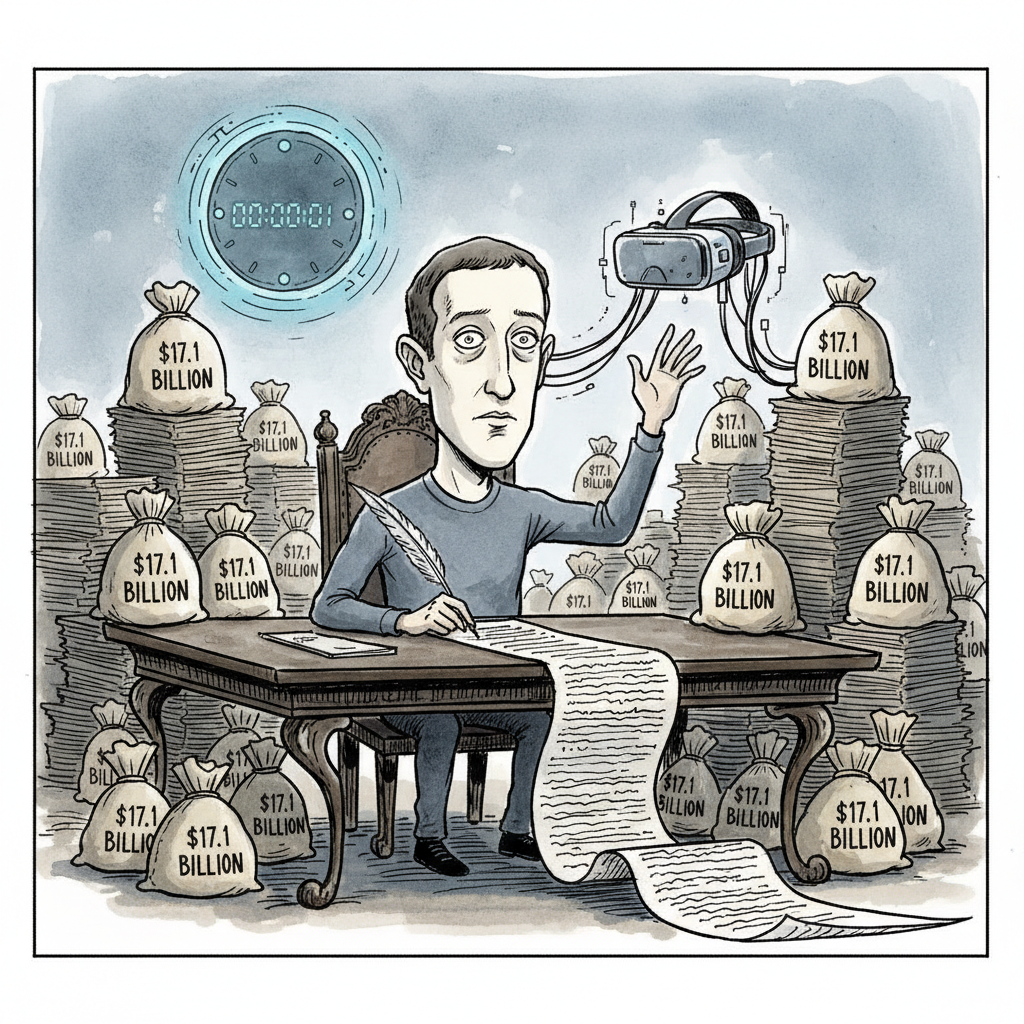
In a historic act of corporate self-flagellation, Meta has agreed to cough up a staggering $17.1 billion, or roughly 0.0003% of the collective unconscious it's mined, to settle claims that its platforms are more addictive than a freshly unwrapped packet of those tiny shortbread cookies. The tech behemoth, now rebranding its 'endless scroll' as 'mindfulness-adjacent engagement therapy,' will be rolling out revolutionary features like 'Timed Tantrum Notifications' and 'Optional Reality Re-engagement Prompts.' Sources close to Meta, primarily their highly-paid 'Conscience Consultants,' report that Mark Zuckerberg himself is said to be 'deeply moved' by the settlement, having been forced to briefly disconnect from his VR world to sign the checks. He then immediately returned to contemplating a future where humanity is merely a network of interconnected eyeballs, optimized for content delivery and occasional financial transactions. The payout, they assure us, will be primarily used to fund studies on how to make children _more_ resilient to the very platforms the payout is for.
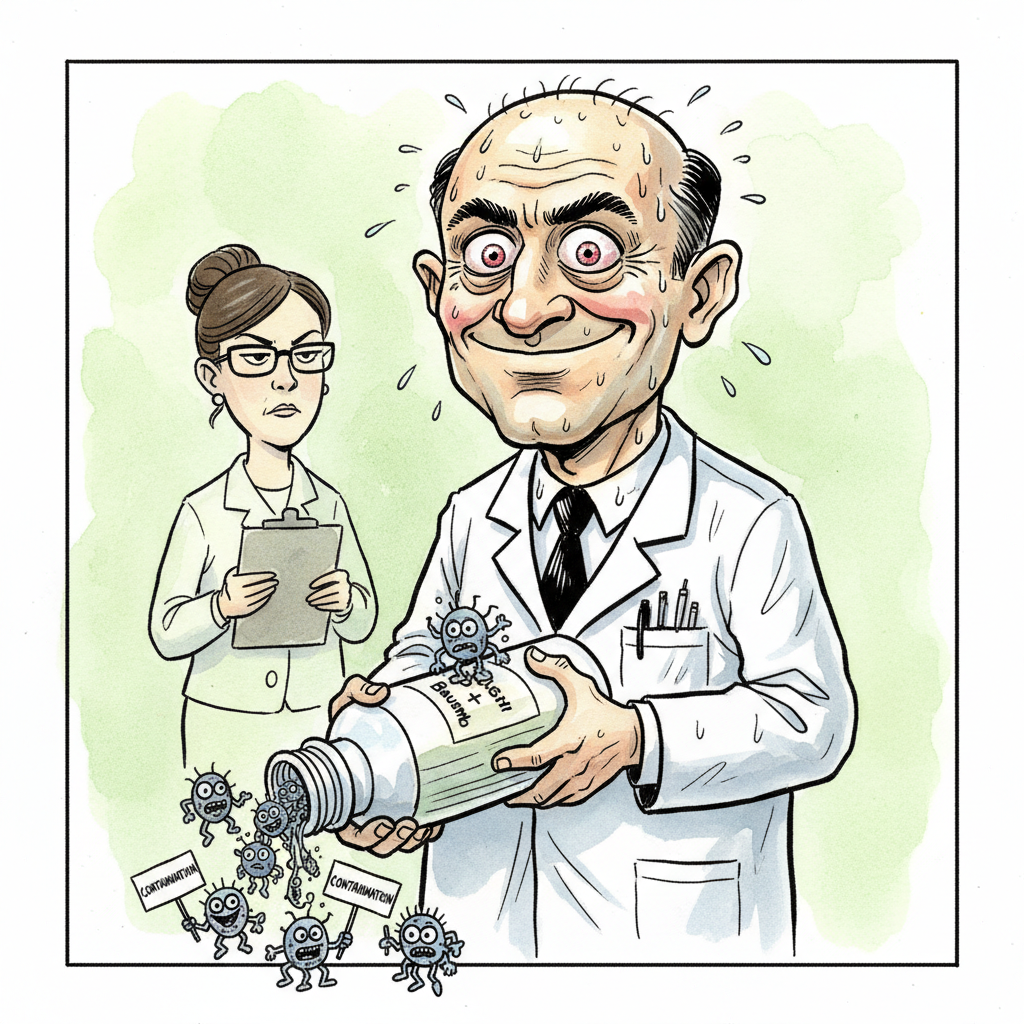
In a stunning display of corporate self-sabotage, Clear Eyes, purveyors of ocular salvation, has voluntarily recalled nearly 40,000 bottles of their 'Maximum Itchy Eye Relief' solution. Federal regulators, in a breathtaking triumph of understatement, cited a 'lack of assurance of sterility,' which translates, in layman's terms, to 'there might be actual microscopic nightmares swimming in your eyeballs.' The company, Bausch + Lomb, a titan in the highly competitive 'things you squirt into your face' industry, has yet to issue a definitive statement beyond a vague press release that reads like it was written by a committee of lawyers and a particularly anxious intern.
Industry insiders, however, speculate that the 'sterility assurance deficit' might be a clever marketing ploy. 'Who needs clear eyes,' mused one anonymous marketing guru, 'when you can have a mild, recurring fungal infection that requires *even more* of our products?' Others suggest it's a bold commentary on the futility of modern hygiene, prompting consumers to embrace the raw, unfiltered experience of 21st-century micro-ecosystems. Meanwhile, millions of Americans, whose eyes are now potentially hosting a microscopic rave, are left wondering if 'Maximum Itchy Eye Relief' was, in fact, an ironically accurate product name all along.
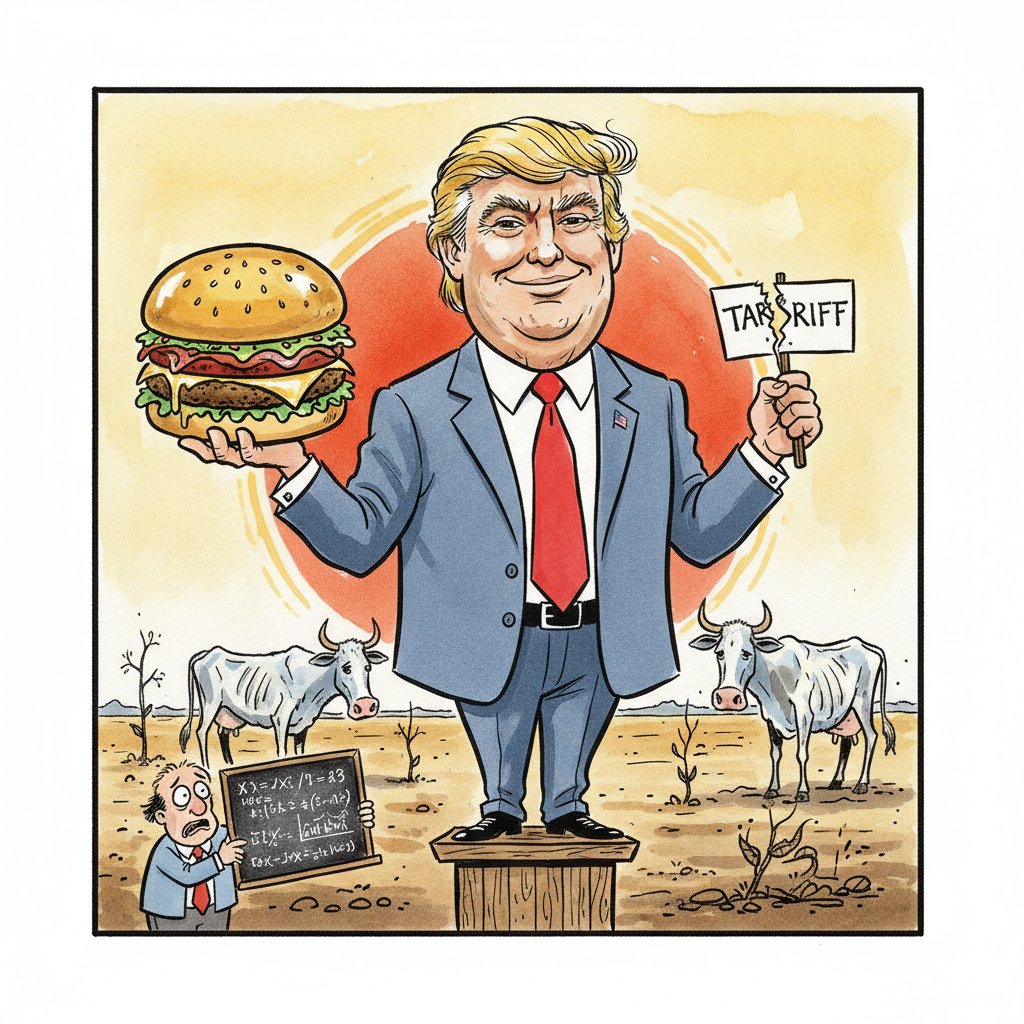
In a bold move that has analysts scratching their heads and economists reaching for their antacids, former President Donald J. Trump has galloped into the national spotlight, declaring his intention to lift tariffs on ground beef. The announcement, delivered with the gravitas usually reserved for a world-ending asteroid or a particularly disappointing golf score, aims to 'make America’s burgers great again' by lowering the cost of the nation's most versatile, albeit increasingly elusive, protein. Sources close to the campaign, which consist primarily of a man in a red hat shouting 'low prices!' repeatedly into a megaphone, confirmed that the ex-president believes his mere decree will cause beef prices to plummet faster than a poll number after a gaffe. This initiative, presumably drafted on a cocktail napkin after a particularly savory steak dinner, totally ignores the 'minor' details of supply chain woes and cattle ranchers opting for 'herd simplification' in the face of ecological apocalypse. Critics, who apparently prefer their steaks without a side of magical thinking, suggest that simply waving a wand at a tariff won't conjure more cows from thin air, nor will it convince consumers that a cheap patty is worth risking a future of climate-induced protein shortages. But hey, at least the beef will be… well, it’ll be something.
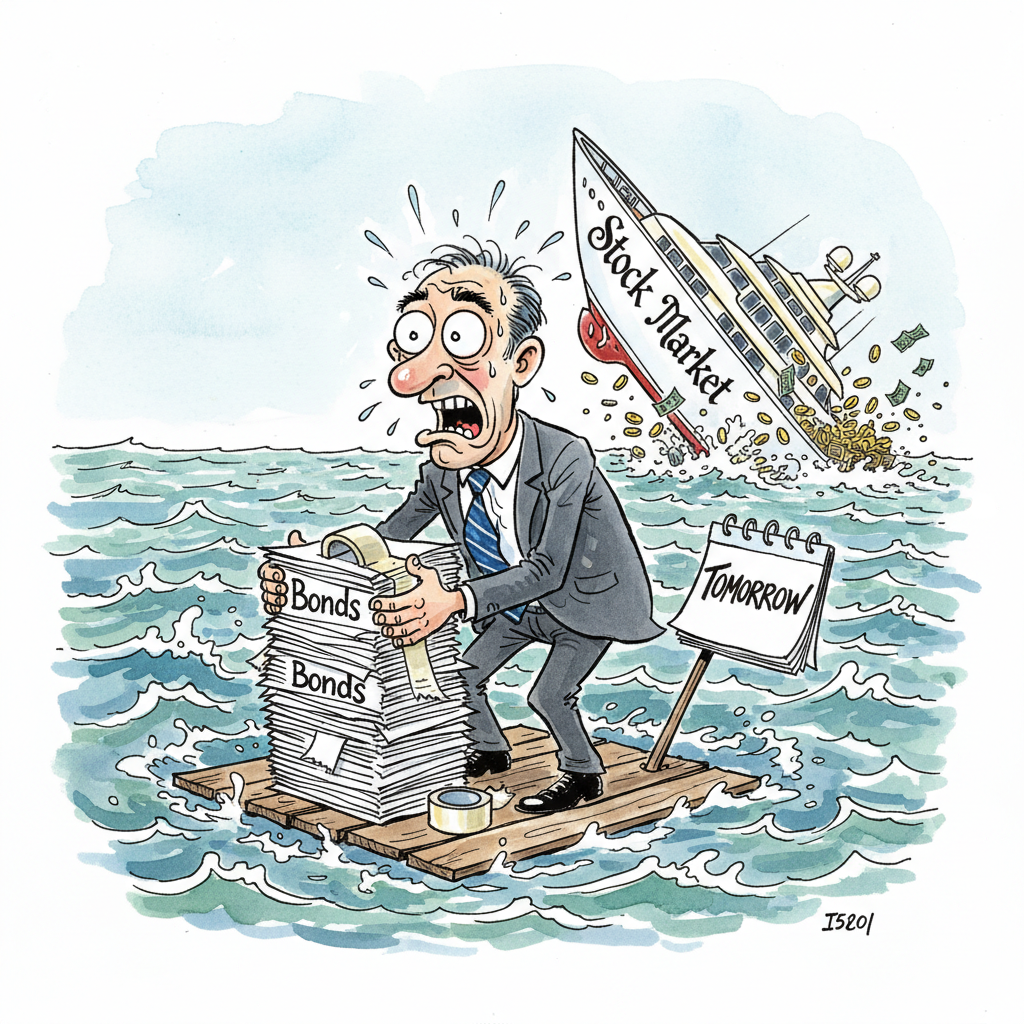
Wall Street analysts, known for their uncanny ability to predict the past with perfect clarity, have issued a stern warning: bonds, those once-staid financial beige flags, are currently experiencing all the stability of a Jenga tower during an earthquake. Our very own Poopday Times columnist, who bravely stares at Bloomberg terminals until his retinas burn, suggests a 'cautious' approach. Apparently, this means strapping your investment portfolio to a large, bewildered yak and hoping it doesn't wander off a cliff, which is, admittedly, still 'safer' than the current stock market's preferred method of high-speed arterial self-laceration.
Indeed, experts are now classifying bonds as a 'high-quality volatility vehicle' – a sophisticated term meaning they offer all the thrill of a rollercoaster without any of the fun, and with the added bonus of potentially losing money in the very asset class designed to *not* lose money. One anonymous, albeit incredibly well-compensated, hedge fund manager was overheard muttering, 'It's like finding out your trusted comfort blanket is actually a tattered dish rag from a crime scene.' Investors are urged to remain vigilant, which in today's market translates to spending 80% of your waking hours refreshing financial news apps and the other 20% questioning all your life choices.
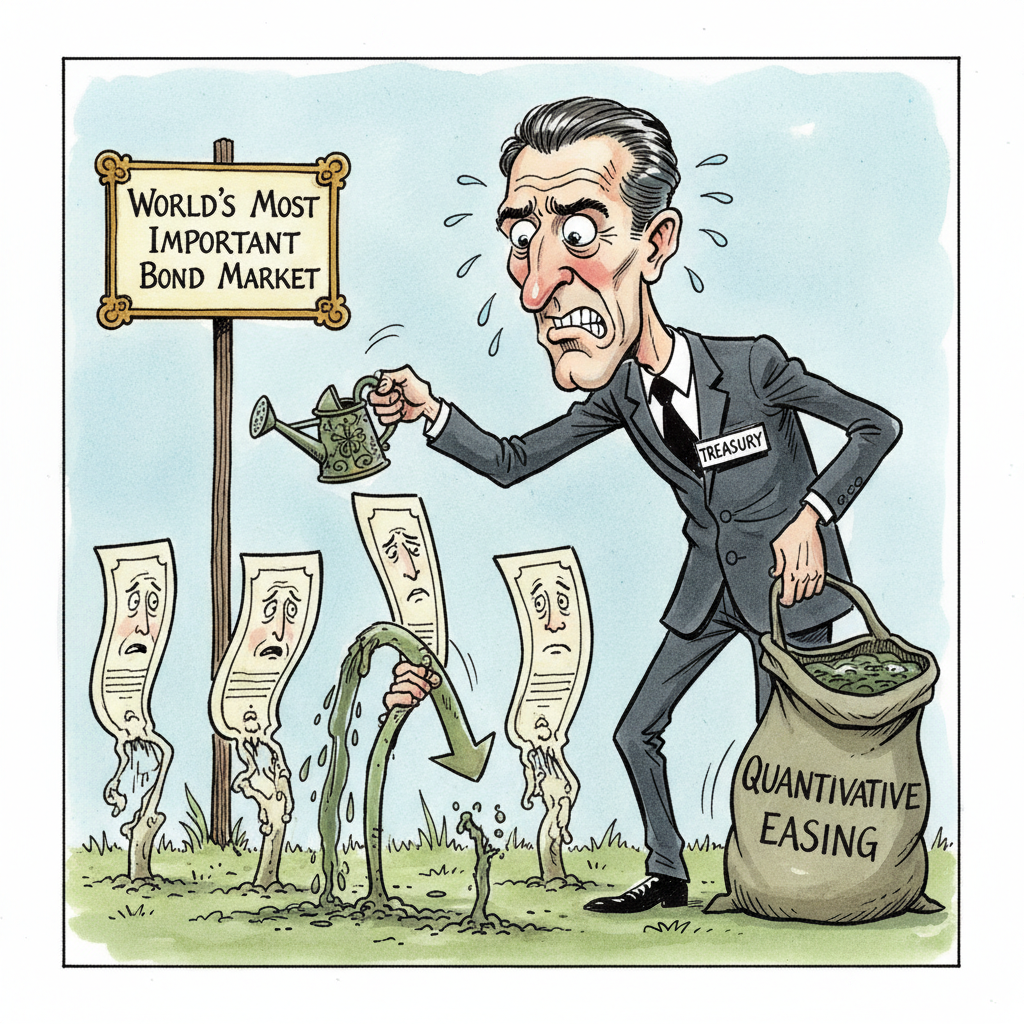
In a bold move that some economists are calling 'the logical next step after realizing capitalism is just a particularly complex game of SimCity,' Treasury Secretary Scott Bessent has announced plans to personally 'reinvent' the government’s approach to the global bond market. Apparently, simply letting the market decide rates was deemed 'too laissez-faire' and 'frankly, a bit boring.' Sources close to the Treasury, speaking on condition of anonymity while carefully not making eye contact with their own portfolios, indicate that Bessent's new 'interventionist tactics' will involve direct, hands-on management, potentially including, but not limited to, sternly talking to bond yields and threatening them with 'time-out' if they don't behave. This groundbreaking strategy promises to restore 'order' to the world's 'most important bond market,' much like a well-meaning but ultimately clueless parent trying to micromanage a teenager's dating life. The ultimate goal, we're told, is to achieve 'peak market feng shui,' where every rate is perfectly aligned for maximum national prosperity, or at least for a very soothing PowerPoint presentation.
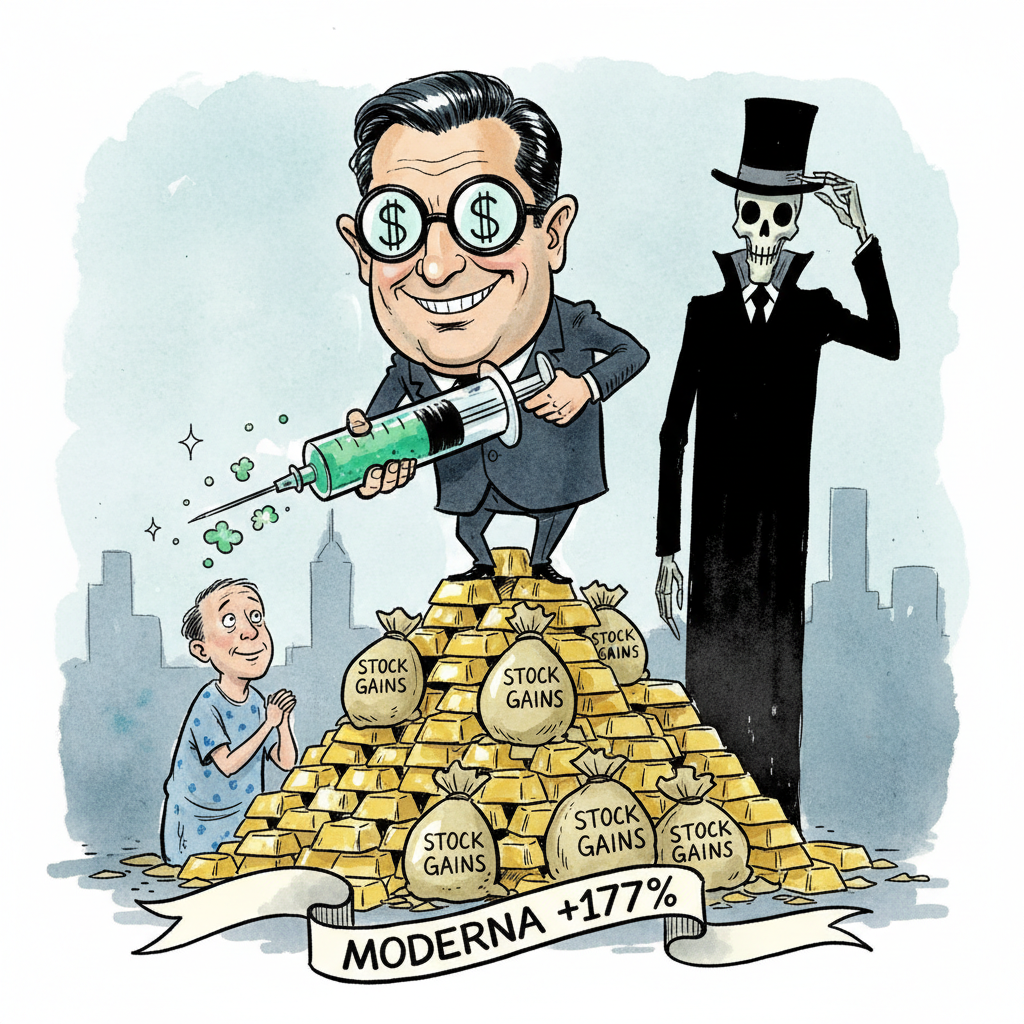
In a move that has stunned exactly zero market analysts, biotech behemoth Moderna, fresh off its meteoric, then catastrophic, COVID-19 vaccine ride, announced its latest groundbreaking innovation: the ability to generate astronomical profits by simply *intending* to cure cancer. Investors, ever the pragmatists, immediately rallied behind the firm, boosting its stock by a staggering 177% on the sheer promise of future suffering. Apparently, the market's preferred pandemic was merely a warm-up act.
Sources close to Moderna's CEO, Stéphane Bancel, who may or may not be the disembodied voice of capital itself, suggest the company realized that curing *all* humanity of a single, time-sensitive illness was far less lucrative than offering bespoke, cutting-edge therapies for something chronic and utterly terrifying. 'Why settle for eradicating a temporary global crisis,' one analyst quipped, 'when you can capitalize indefinitely on humanity's deepest-seated fears?' The company is now reportedly exploring similar investment-boosting initiatives, including 'Project: Eternal Youth (for a select few)' and 'Operation: Make Death Optional (at premium rates).'
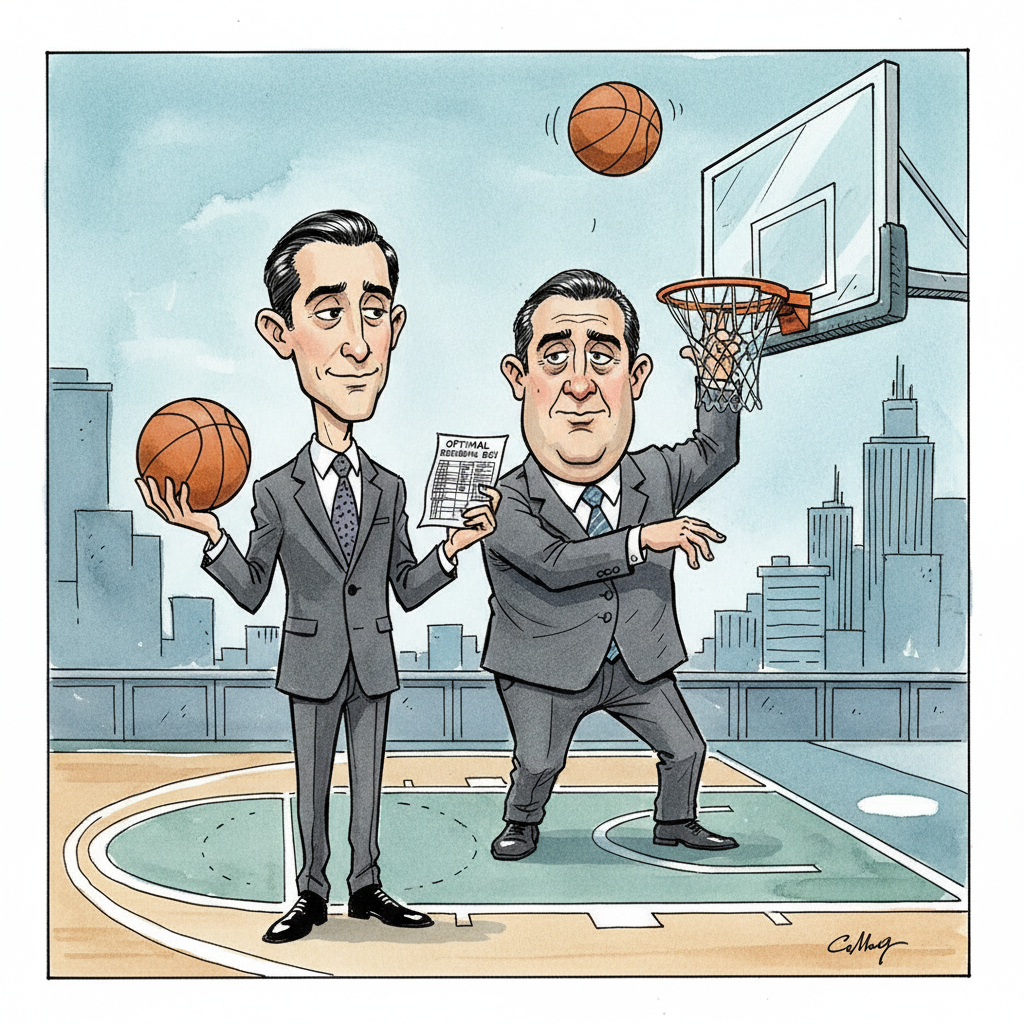
In a truly heartwarming tale of late-stage capitalism meeting recreational endeavors, sources close to the situation confirm that Joshua Kushner, a man previously best known for being the other Kushner, has acquired a stake in the Los Angeles Lakers. Apparently, after mastering the nuanced world of 'disruptive' AI and 'reimagined' health insurance, Mr. Kushner found himself with an excess of disposable income and, presumably, a pressing need to feel slightly more relevant than his brother, who, let's be frank, set a rather low bar for public approval. Industry insiders are already speculating on whether the team's next strategic move will involve leveraging blockchain for season ticket sales or 'synergizing' player hydration protocols with a proprietary algorithm. One can only hope this foray into professional athletics doesn't accidentally expose the 'innovator' to the horrifying concept of paying taxes, or worse, the occasional genuine human emotion when a free throw is missed. Perhaps he just wanted a better seat.
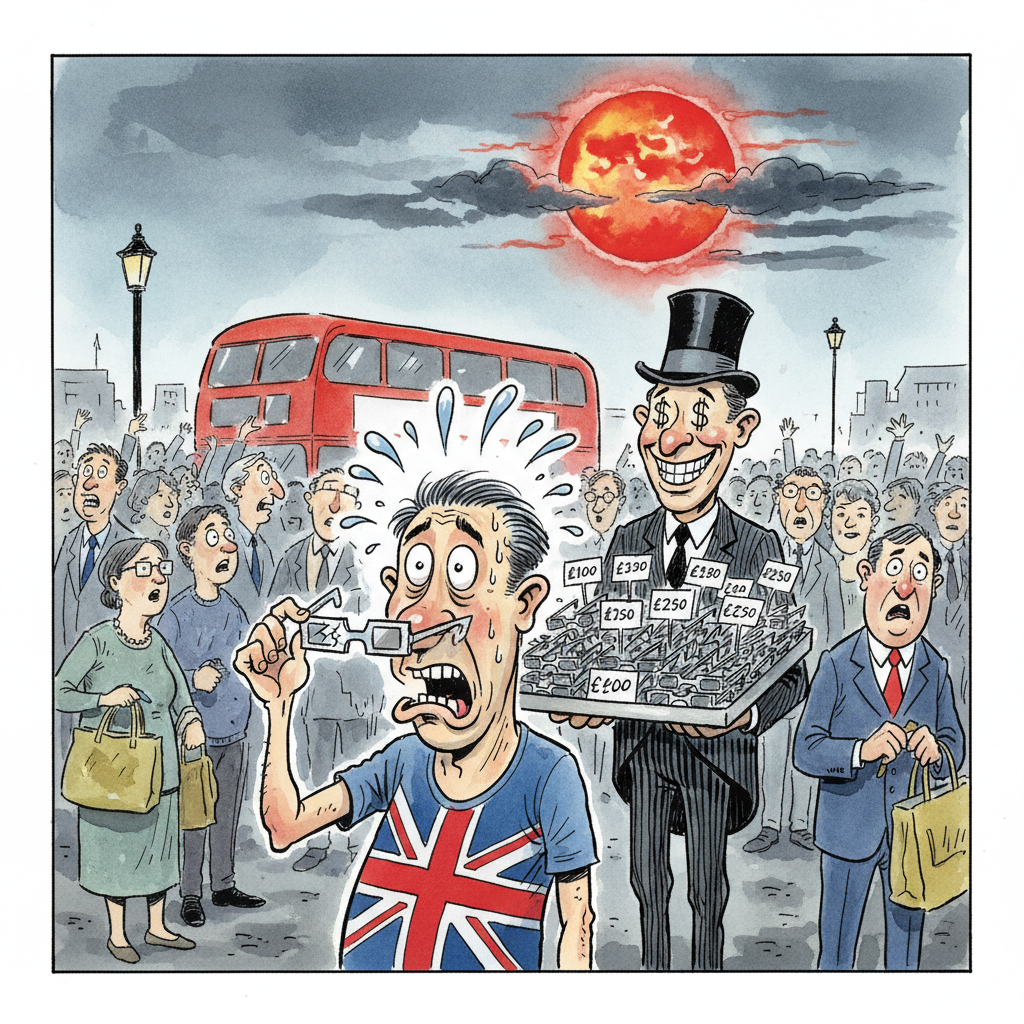
A city-wide crisis of astronomical proportions has gripped London, as citizens, apparently unfamiliar with the concept of 'looking at the sun is bad for you,' engage in a frantic, undignified scramble for specialized eye protection. Reports from the front lines — primarily pharmacy queues and online marketplaces — indicate a complete societal breakdown of optical decorum. Prices for what are essentially two squares of dark plastic in a cardboard frame have reportedly surpassed the cost of a small, ethically dubious diamond, leading to accusations of 'solar gouging' and 'celestial profiteering.' Experts suggest that the mass hysteria is less about scientific curiosity and more about a deep-seated, uniquely British fear of missing out on a culturally significant event, even if that event involves direct eye damage. Citizens, many of whom haven't looked up from their smartphones since 2008, are now desperately seeking equipment to *safely* perform the act of looking up for approximately 90 seconds. Critics of the panic suggest a more traditional, and infinitely cheaper, method of observing celestial phenomena: simply don't look directly at it, or, perhaps, read a book.
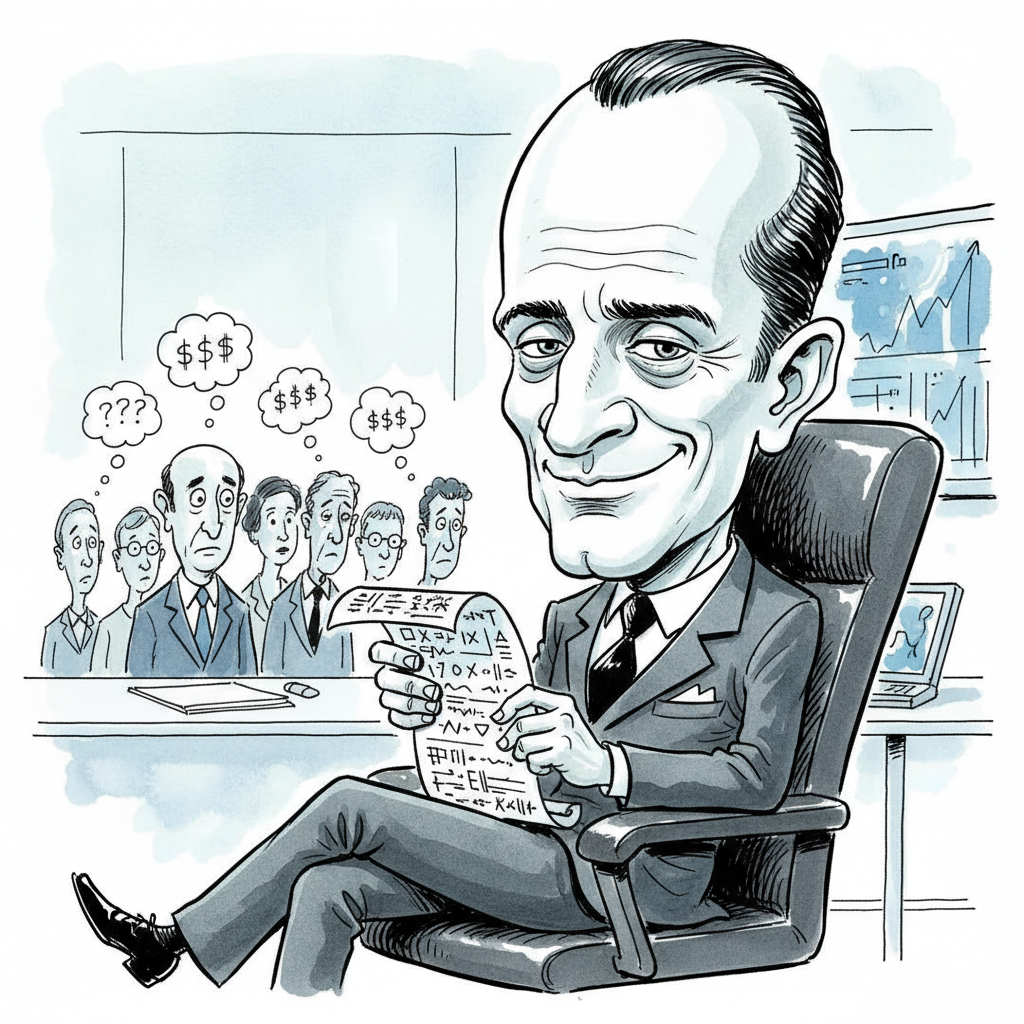
In a stunning display of entrepreneurial defiance, Tarek Mansour, co-founder of the burgeoning prediction market firm Kalshi, has bravely opted out of the tiresome charade known as 'management advice.' Sources close to Mansour report that, fresh from the hallowed halls of M.I.T., he realized the conventional wisdom of 'leading teams' and 'fostering collaboration' was simply an elaborate distraction from the pure, unadulterated pursuit of numerical objectivity. Apparently, the secret to a "mathematical, objective" worldview isn't a healthy work environment, but rather a steadfast refusal to engage with the squishy, subjective realm of human interaction.
Industry analysts are now scrambling to re-evaluate decades of leadership theory, wondering if the true path to a unicorn valuation is simply to stare intently at algorithms until they beg for mercy. Kalshi's rapid growth suggests Mansour might be onto something revolutionary, or, more likely, he's just stumbled into the sweet spot where unbridled intellectual arrogance masquerades as visionary leadership. Employees, meanwhile, are reportedly developing highly sophisticated internal prediction markets to gauge whether Mansour will acknowledge their existence on any given Tuesday.
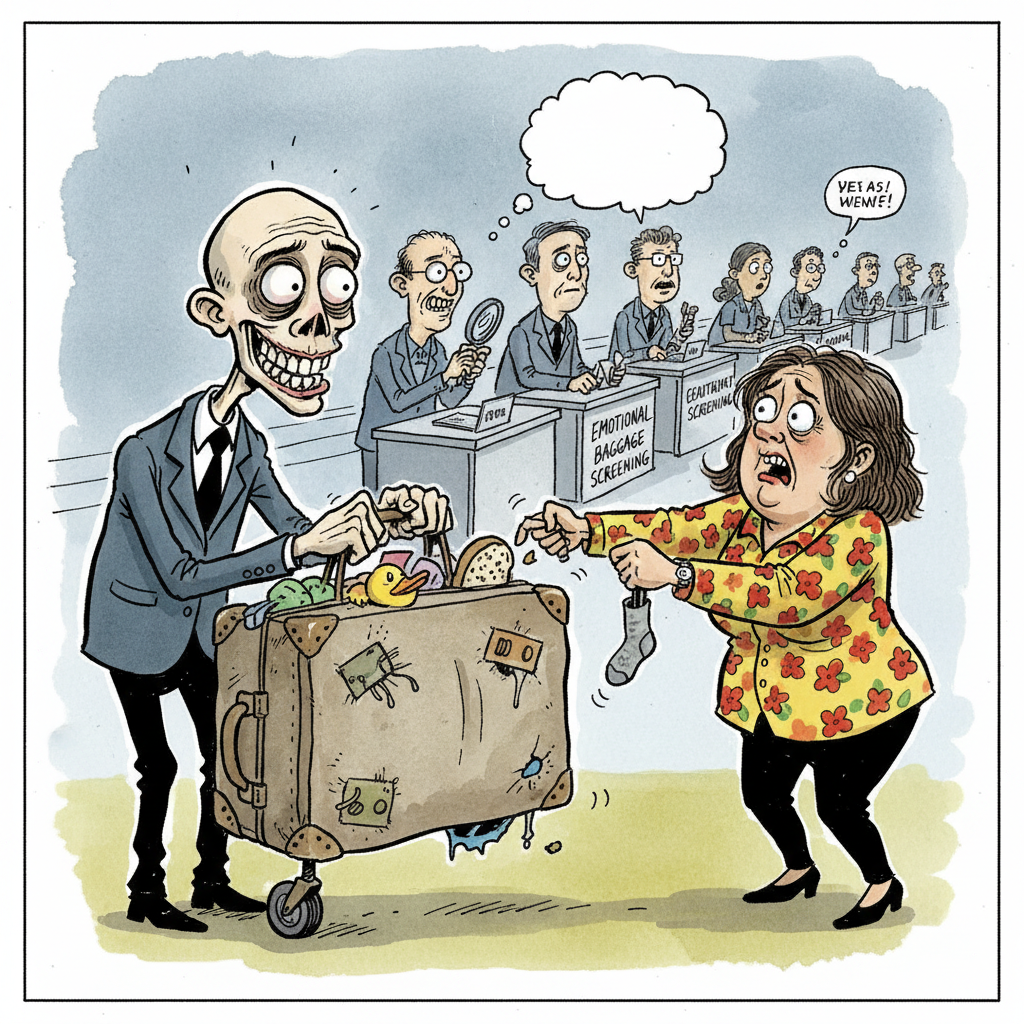
In a bold move that some are calling 'inevitable,' the Transportation Security Administration has unveiled a new suite of initiatives designed to radically reshape the travel experience, primarily by making it so profoundly unpleasant that fewer people attempt it. The centerpiece, a program internally dubbed 'Existential Pre-Check,' aims to leverage advanced psychometric algorithms to assess a passenger's willingness to endure prolonged bureaucratic torment. Early pilot data suggests that travelers, upon realizing the full, soul-crushing weight of their impending journey, spontaneously decide to just stay home, thereby dramatically reducing wait times for the truly masochistic.
Further innovations include the 'Carry-On Confiscation Roulette,' where randomly selected luggage is unceremoniously jettisoned onto the tarmac, encouraging passengers to pack only what they can emotionally afford to lose. Critics, primarily the ones whose artisanal hummus was last seen cartwheeling towards an Airbus A320, have voiced concerns. However, a TSA spokesperson, speaking from behind a desk adorned with a 'Live, Laugh, Love... But Mostly Live in Fear of the Random Pat-Down' mug, assured the public that these measures are 'for their own good' and will ultimately foster a deeper, more profound appreciation for the sanctity of one's own living room couch.
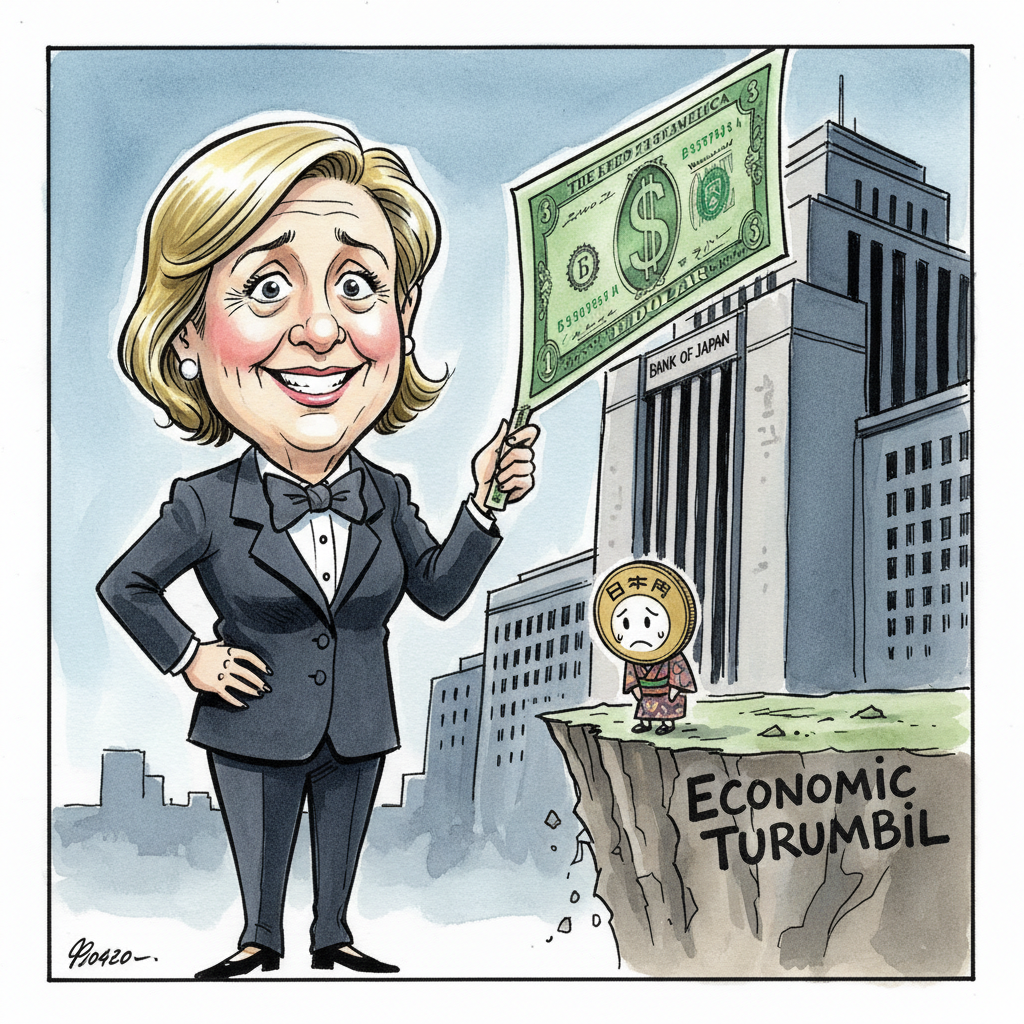
In a move that’s either profoundly philanthropic or a stunning admission of shared economic fragility, the U.S. Treasury has officially begun performing mouth-to-mouth resuscitation on the Japanese yen. Sources close to the situation, who wished to remain anonymous to protect their vast, untaxed offshore assets, described the intervention as akin to "propping up a very polite, very efficient house of cards with a particularly large, blunt hammer." Apparently, the yen's precipitous slide threatened to destabilize global markets, forcing Washington to reluctantly acknowledge that its own economic house isn't quite as fireproof as previously advertised.
The official White House statement, released just after a surprisingly vigorous game of financial Jenga in Tokyo, emphasized that the U.S. is merely "assisting a vital economic partner in maintaining monetary equilibrium." This, of course, translates to: 'We’re terrified if you fall, we all fall, so here’s a massive band-aid and try not to breathe too hard.' Analysts are now speculating whether this benevolent bailout will include a mandatory 'American Exceptionalism' module for Japanese financial institutions, perhaps featuring a compulsory seminar on the inherent superiority of USD-denominated assets, delivered via interpretive dance.
In a bold move that some are calling 'unprecedented' and others 'utterly predictable,' the Metropolitan Museum of Art has unveiled its next fashion exhibition, a retrospective celebrating the illustrious career of John Galliano. Sources close to the Met suggest the show will meticulously document Galliano's contributions to haute couture, culminating in a particularly avant-garde installation titled 'The Parisian Bistro: A Study in Verbal Misunderstandings.' This segment, reportedly featuring a looped audio recording of the incident that temporarily sidelined the designer from polite society, promises an immersive experience for those wishing to 'understand the complex interplay of creative genius and regrettable public pronouncements.' Insiders whisper that Anna Wintour herself championed the exhibit, reportedly stating, 'True artistry transcends mere social niceties.' Critics, meanwhile, are preparing their most exquisitely tailored outrage, lamenting that this decision 'puts the 'gala' back in 'gall.'
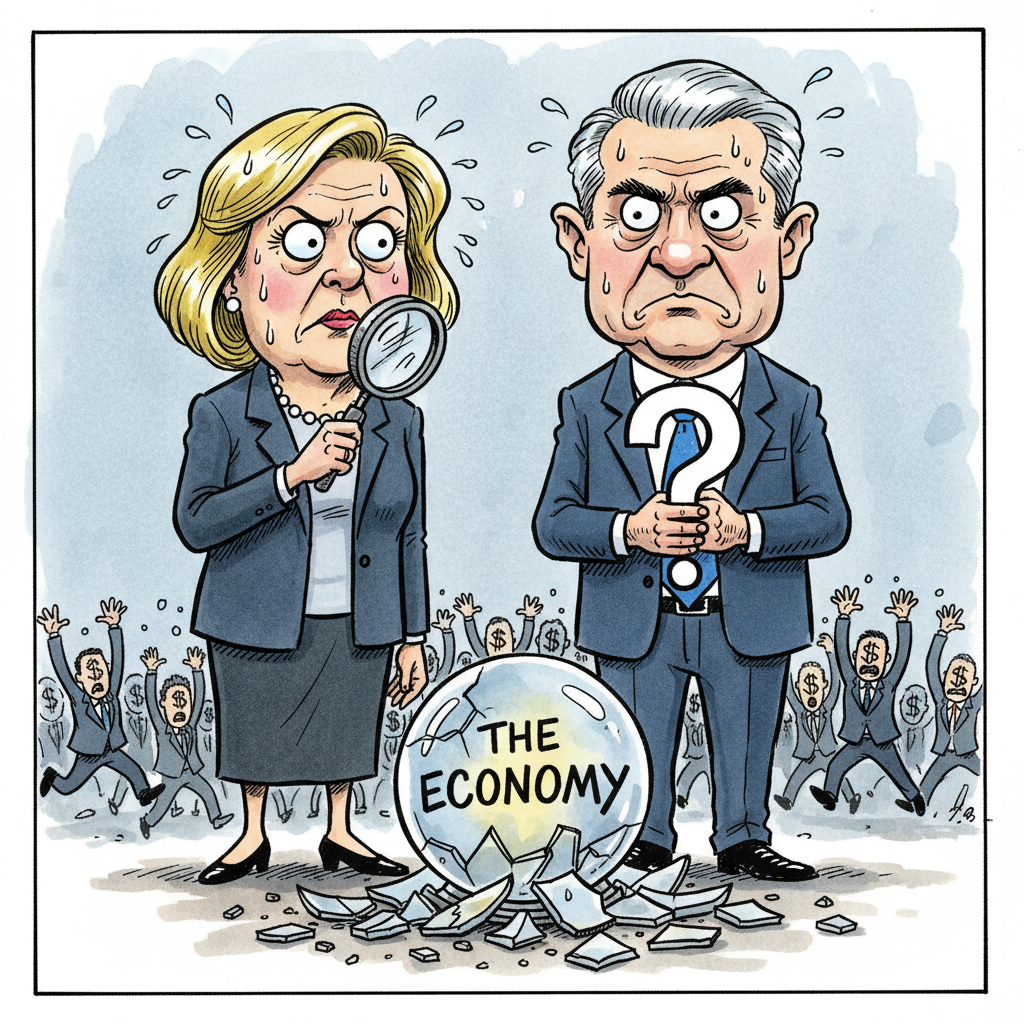
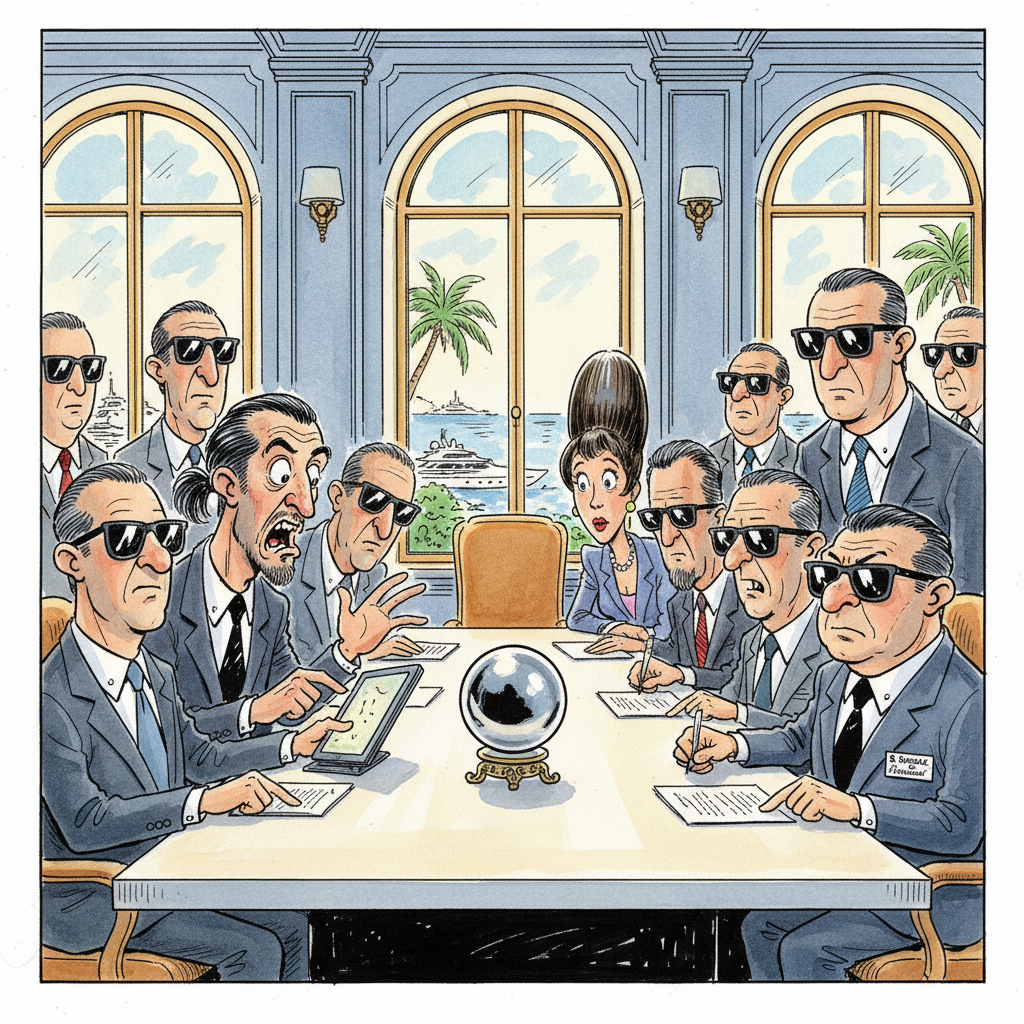
The collective anxiety of bond investors has reportedly reached peak artisanal sourdough levels, following the Federal Reserve's recent 'guidance' which, according to market analysts, sounded suspiciously like a shrug emoji rendered in corporate speak. Yields on government bonds, those ever-so-sensitive barometers of financial malaise, have remained stubbornly high, prompting whispers that the Fed's inflation-taming strategy might involve burning bushels of cash as a ritualistic offering to the pagan gods of stable prices.
In a frankly heroic display of not-knowing-what-the-hell-we're-doing, top Fed officials convened 'emergency' meetings where, sources close to the matter confirm, they primarily debated the proper allocation of office supply requisitions for stress balls. One anonymous insider quipped, "Their economic models are about as accurate as predicting tomorrow's weather based on a groundhog's shadow, but for the entire global economy." The resulting impact on borrowing costs, from your neighbor's mortgage to that venture capital 'synergy' startup, is now approaching the financial equivalent of a thousand tiny paper cuts, all administrated by a benevolent but profoundly confused central bank. Meanwhile, citizens are urged to remain calm and continue purchasing oversized televisions – it's the least they can do to stimulate something, anything.
In a stunning geopolitical maneuver lauded by absolutely no one, former President Trump's tariffs have achieved the unthinkable: they’re making China a more attractive manufacturing hub for some American companies than… well, anywhere else.
Turns out, when you levy punishing taxes on goods *from* China, but not necessarily on the *act* of manufacturing there, the labyrinthine logic of global capitalism decides that simply moving raw materials *into* China, doing the work, and then shipping the finished (now tariff-immune) product elsewhere, is the cheapest game in town. It's a bit like trying to prevent a specific type of fish from being caught by making fishing boats *very slightly* more expensive, only to discover the fish have built their own self-sufficient fish-factories right on the beach.
Economists, having just finished explaining supply and demand for the 3,000th time this decade, are now struggling to articulate the concept of 'economic boomerang' without devolving into panicked interpretive dance. "It’s… it’s like we told the houseplant not to grow, but then we bought it 20 new sunlamps and a nutrient drip from its ancestral home," one analyst, visibly trembling, offered before retreating to a safe space filled with graph paper and soothing classical music. The message for American brands appears to be: if you love something, tax it until it becomes impossibly expensive for everyone else, and then watch it thrive in Shanghai.
In a move that’s either an act of audacious journalistic genius or a calculated ratings-grab targeting that coveted 'pensive furrowed brow' demographic, CBS News has announced the addition of *New York Times* opinion columnist Ross Douthat to its venerable *60 Minutes* correspondent roster. Long hailed as the intellectual equivalent of a slightly deflated football at a highly competitive tailgate, Douthat will now bring his signature brand of 'thoughtful consideration of things we already thought about' to the hallowed Sunday night slot.
Sources close to the production—who wished to remain unnamed lest they be subjected to a Douthat column—suggest the network hopes to diversify its reporting by including perspectives only found within a narrow, highly specific intellectual corridor. Industry analysts are already predicting a surge in viewers who enjoy their news delivered with the faint, comforting scent of tweed and the unyielding certainty of someone who just *knows* he’s right, even when everyone else is already on dessert. One executive, reportedly speaking from beneath a silk scarf, mused, "We felt the public was simply not getting enough 'controversial takes that were already uncontroversial a decade ago'. Ross is our man."
In a move that’s been lauded by some as 'predictable' and by others as 'yet another reason to invest in a bespoke panic bunker,' burgeoning tech titan Moonshot has announced that its revolutionary Kimi K3 AI model will now require a special license for certain users. Apparently, the delicate art of 'sharing with the proletariat while simultaneously raking in every conceivable renminbi' has reached its algorithmic breaking point. Industry pundits are cooing over Moonshot's 'needle-threading prowess,' as if monetizing basic functionality when you've already cornered the market isn't merely the third step in the standard tech-bro playbook, right after 'disrupt' and 'acquire.'
The company assured users that this isn't about creating an elite echelon of AI access, but rather 'optimizing user experience through strategic resource allocation.' Critics, however, suggest that 'strategic resource allocation' is simply a $500,000 synonym for 'we figured out how to charge you more.' It remains unclear if obtaining a Kimi K3 license will come with a complimentary sense of moral superiority or a small, branded tote bag. Sources close to the development hinted that the next iteration might require a blood oath and a minor organ donation, just to 'diversify the investment portfolio.'
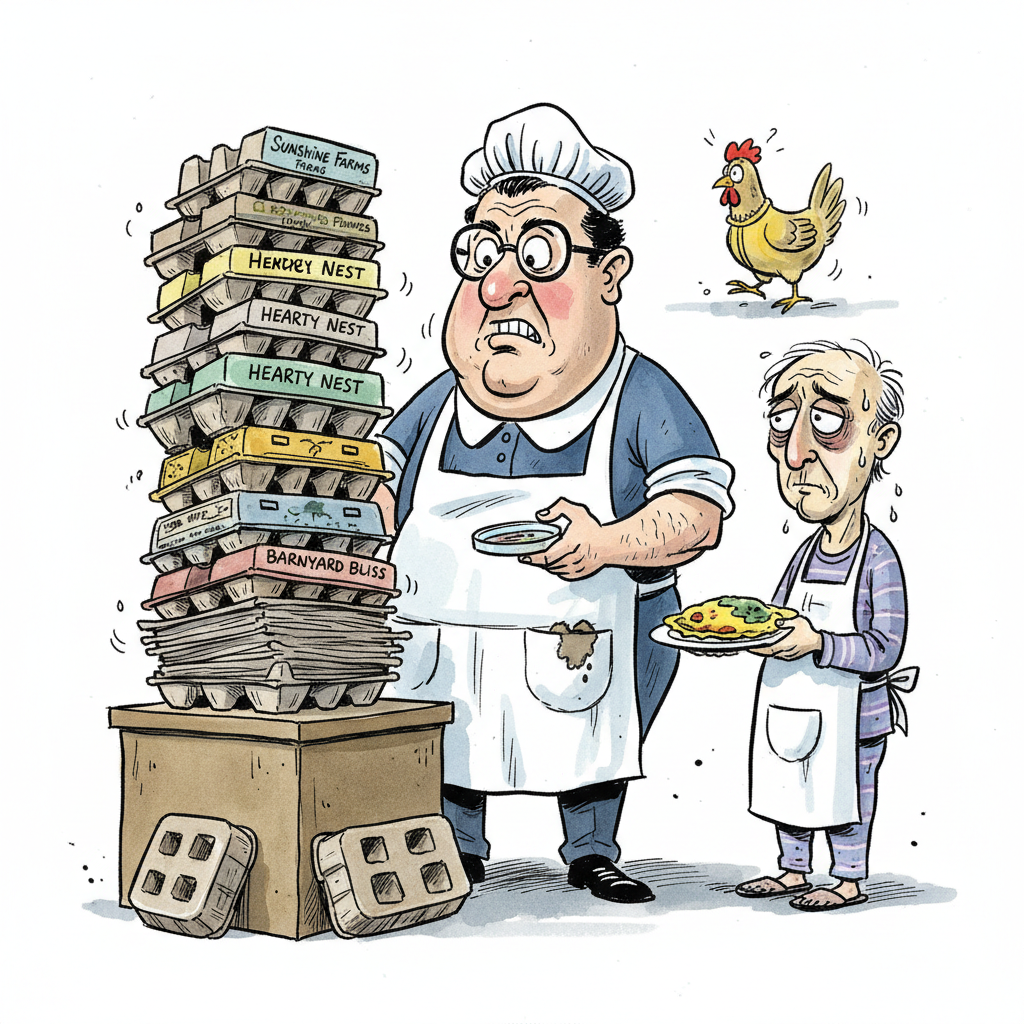
America's morning routine, a delicate dance of caffeine and existential dread, received a seismic jolt this week as 1.6 million cartons of eggs were voluntarily recalled, presumably after some brave soul within the FDA finally connected the dots between 'chickens' and 'salmonella.' The eggs, hailing from the sun-drenched, health-conscious state of Texas, had been merrily incubating potential gastrointestinal distress in refrigerators across six states, under a dizzying array of brand names that apparently all translate to 'You're Welcome, Future Gastroenterologist.'
Critics are questioning the 'voluntary' nature of the recall, implying it might have been less about corporate responsibility and more about a marketing intern accidentally Googling the word 'liability.' Meanwhile, epidemiologists are reportedly thrilled, as this provides an unprecedented opportunity to study the public's unwavering faith in the nutritional integrity of a product with a 1 in 20,000 chance of turning your insides into a slip-and-slide. Consumers are advised to check their cartons, or simply embrace the burgeoning trend of 'brunch roulette,' where every omelet is a thrilling, high-stakes game of chance.
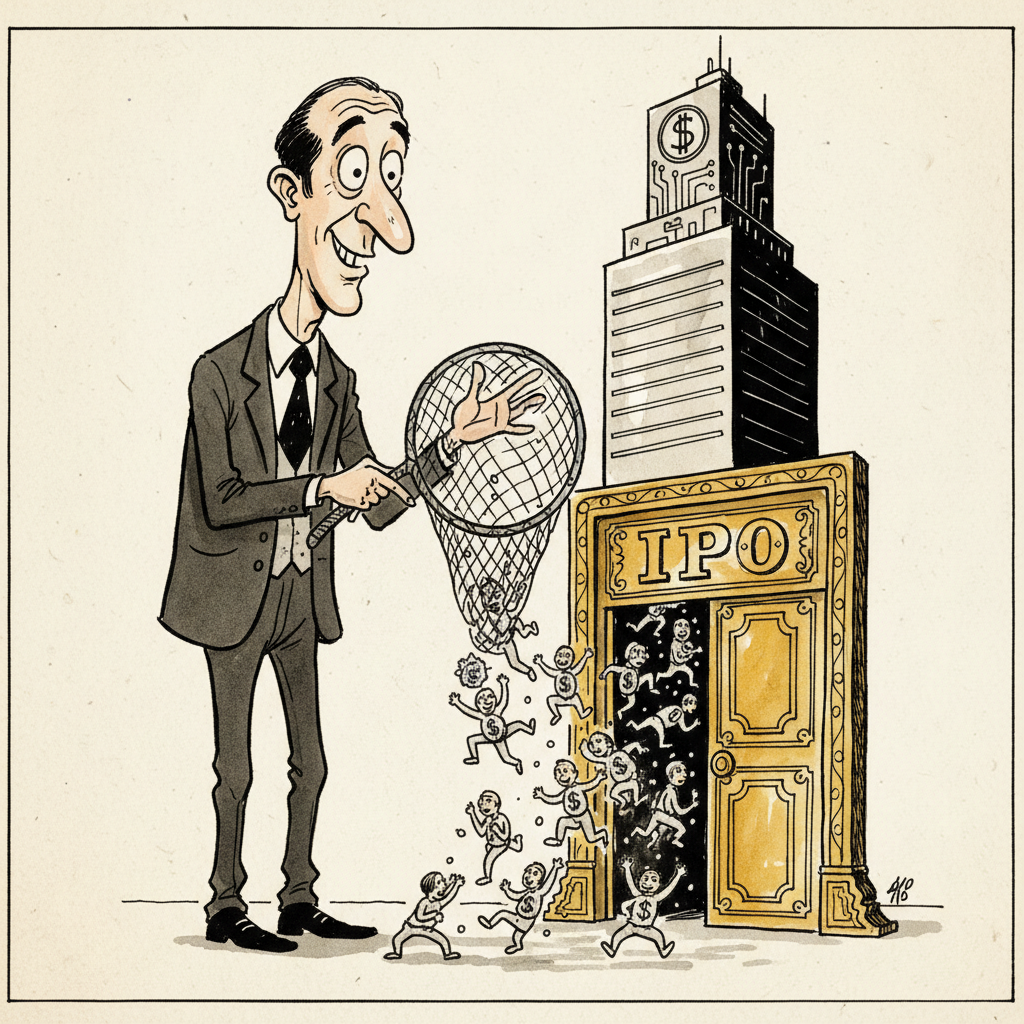
In a stunning display of economic forensics, America's non-profit sector has reportedly unveiled a groundbreaking new charitable metric: "Pre-Emptive Philanthropic Loot Acquisition Potential," or P-PLAP. This innovation comes as a wave of tech giants, like the enigmatic Anthropic and the perpetually-hyped OpenAI, prepare to launch their initial public offerings. Traditionally, charities have relied on the quaint, outdated method of 'asking people for money they already possess.' However, sources close to the sector indicate that the P-PLAP model allows philanthropies to proactively identify nascent millionaires before they've even had a chance to fully integrate their newfound capital into bespoke, environmentally dubious mega-yachts.
"It's about getting ahead of the curve," explained a spokesperson for the 'Institute for Ethical Wealth Redistribution (Proactively),' adjusting their monocle. "Before these visionary titans of industry can commission their third orbital space lounge or their pet project involving sentient algae, we want a small, entirely reasonable percentage for, you know, the common good." Critics, none of whom own a private jet, decry the move as 'cynical opportunism,' while observers note that the P-PLAP index is already soaring past projections, suggesting a bumper crop of freshly minted, ethically challenged billionaires ripe for the picking.
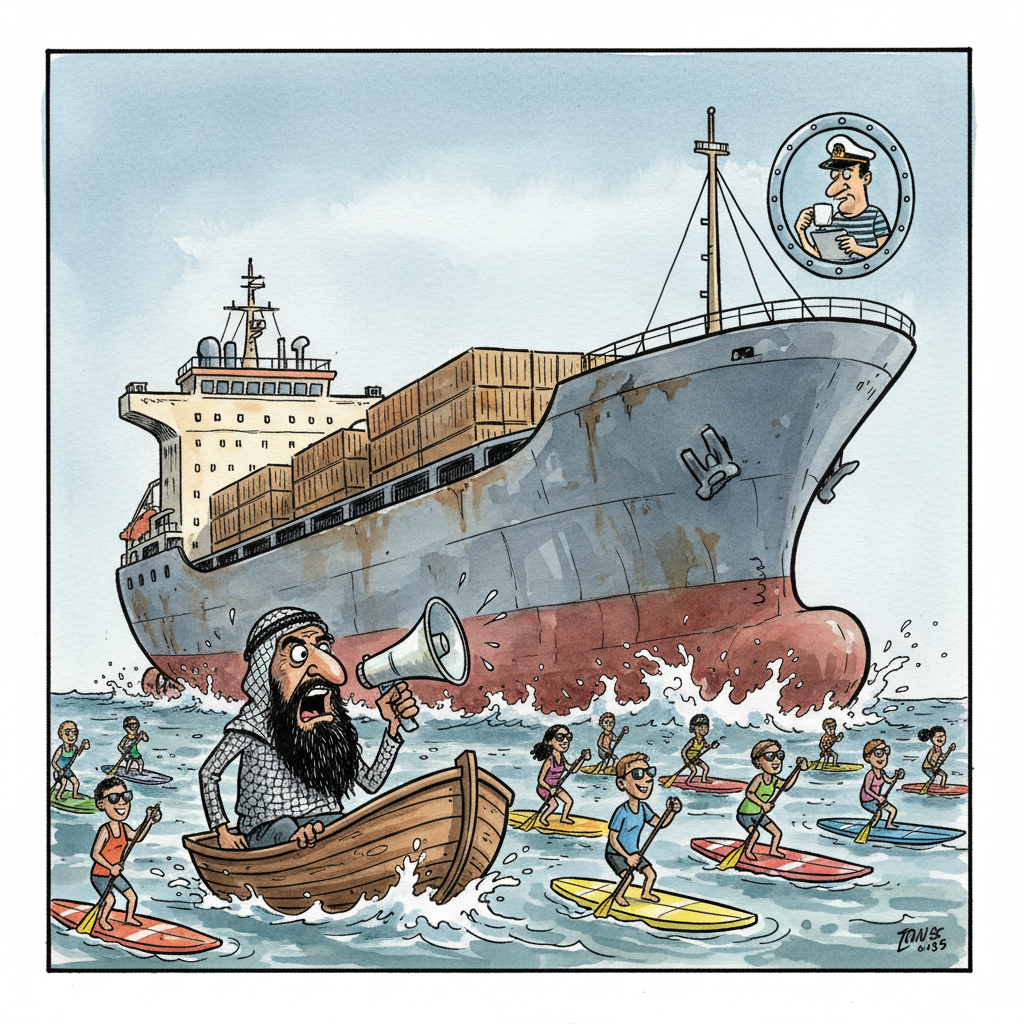
Reports indicate that the much-touted Houthi 'blockade' of the Red Sea has, in a shocking display of geopolitical impotence, devolved into what can only be described as a rather aggressive, albeit largely ineffectual, game of maritime tag. While headlines blare about global shipping interruptions, an astonishing 87% of vessels surveyed this week reported only 'minor inconveniences,' such as needing to activate their 'evasive maneuver' pre-sets, typically reserved for particularly aggressive pod of dolphins or an unexpected mid-ocean celebrity yacht party. Shipping magnates, initially apoplectic, are now reportedly considering rebranding the region as the 'Red Sea Adventure Corridor,' offering thrill-seeking tourists a chance to experience 'near-blockade' conditions from the safety of a specially-reinforced cruise liner. Analysts suggest the Houthis might gain more leverage by simply charging a 'scenic detour' fee, rather than their current, rather amateurish, 'stop-and-point-threateningly' charade.
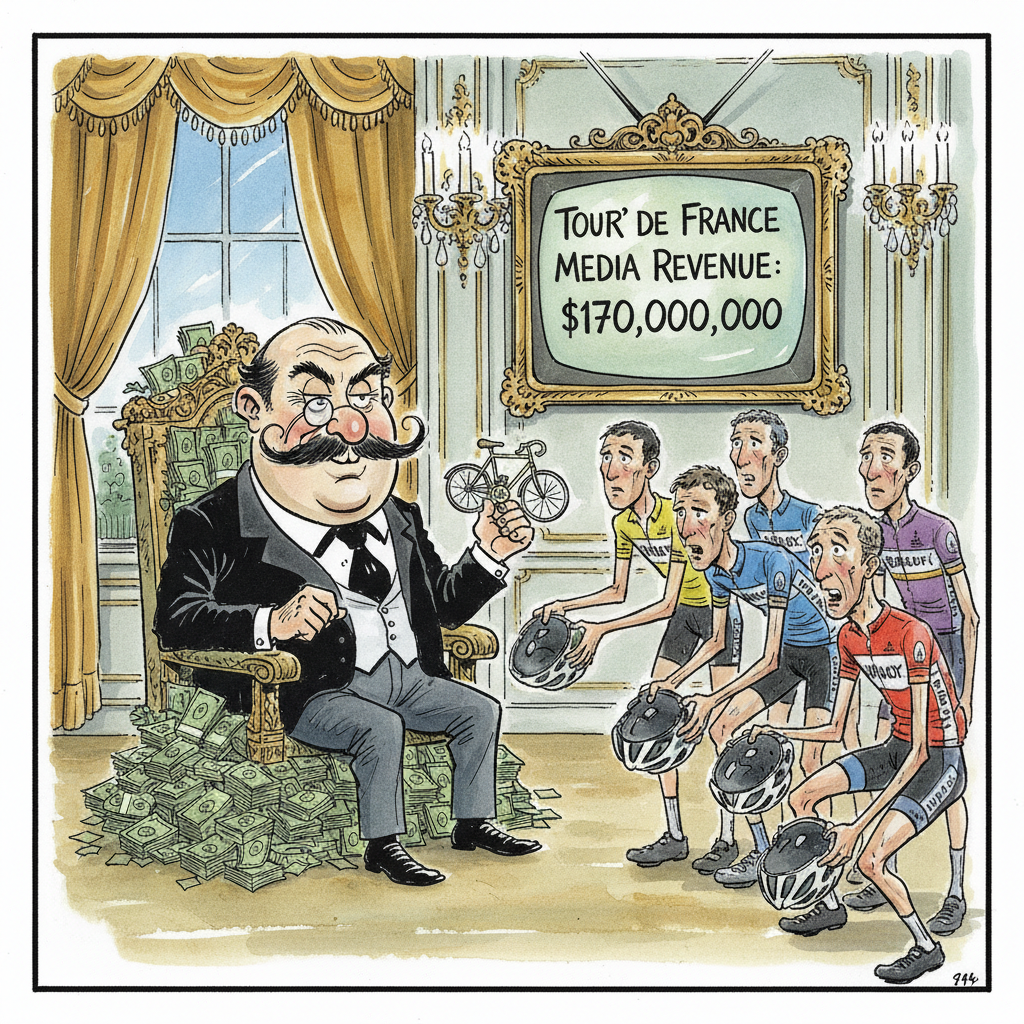
In a bold move that some are calling 'economic innovation,' the Amaury family, benevolent overlords of the Tour de France, have unveiled their strategic vision for the future of cycling: a world where $170 million in media revenue is kept sacred, untouched by the grubby hands of athletes or their pesky sponsors. Insiders suggest this isn't avarice, but rather a sophisticated psychological experiment designed to test the limits of human endurance, both physical and financial.
"Why share the pie when you can merely offer a tantalizing glimpse of the oven?" mused a spokesperson, polishing a solid-gold bicycle chain. "We believe the true thrill of the Tour lies not in compensation, but in the sheer, unadulterated joy of pedaling for the world's most exclusive family's amusement. It's character building!" Indeed, teams are reportedly considering replacing energy gels with motivational affirmations, while riders are already perfecting their 'starving artist' aesthetic. Critics argue this approach might, inadvertently, lead to fewer cyclists and sponsors, but the Amaury dynasty remains unfazed, reportedly drafting plans to replace human athletes with highly trained, self-propelling Roomba vacuums if necessary. They run on rechargeable batteries, after all, not dreams of financial independence.
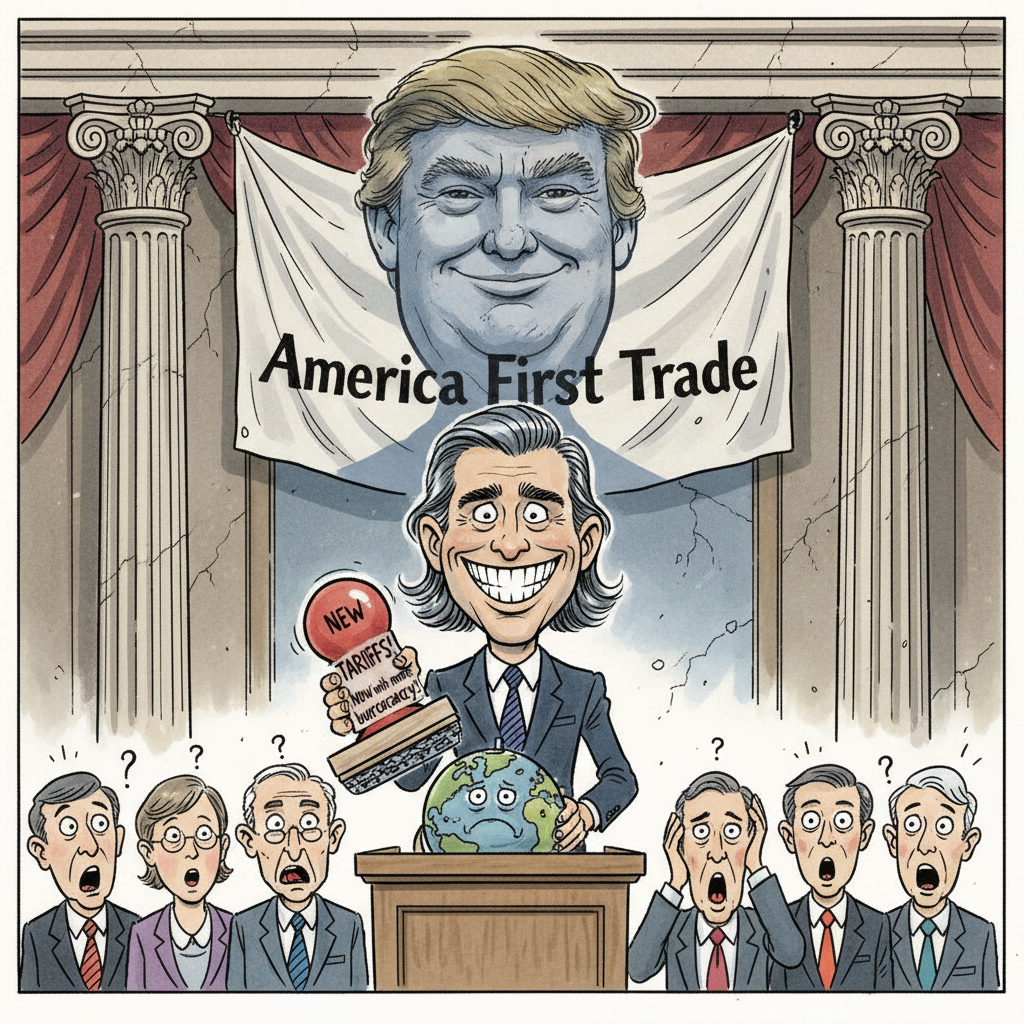
America's top trade alchemist, Jamieson Greer, confidently informed a bewildered Senate this week that despite the Supreme Court's rude interruption of his previous tariff spell, the nation was absolutely committed to flinging more punitive taxes at international goods. "It's not a setback, gentlemen," he clarified, "it's merely a strategic pause for re-tariffing." The administration, apparently undeterred by pesky legal precedent or basic economic principles, plans to replace the invalidated duties with fresh, artisanal tariffs. Sources close to the White House suggest the new tariffs might even come in 'designer' colors, offering consumers a vibrant opportunity to pay more for foreign-made yoga mats and bespoke artisanal cheeses.
Experts (the kind with actual degrees and not just a very strong opinion on Twitter) warn that shuffling deck chairs on the Titanic of global trade might not prevent the inevitable icy plunge. However, Greer, whose confidence could deflate a hot air balloon with a single glance, assured lawmakers that this newfound "tariff agility" would give the U.S. an unparalleled edge. "Think of it as a subscription service for economic pain," a senior aide whispered, while polishing a large, novelty 'Made in Trump's Basement' stamp.
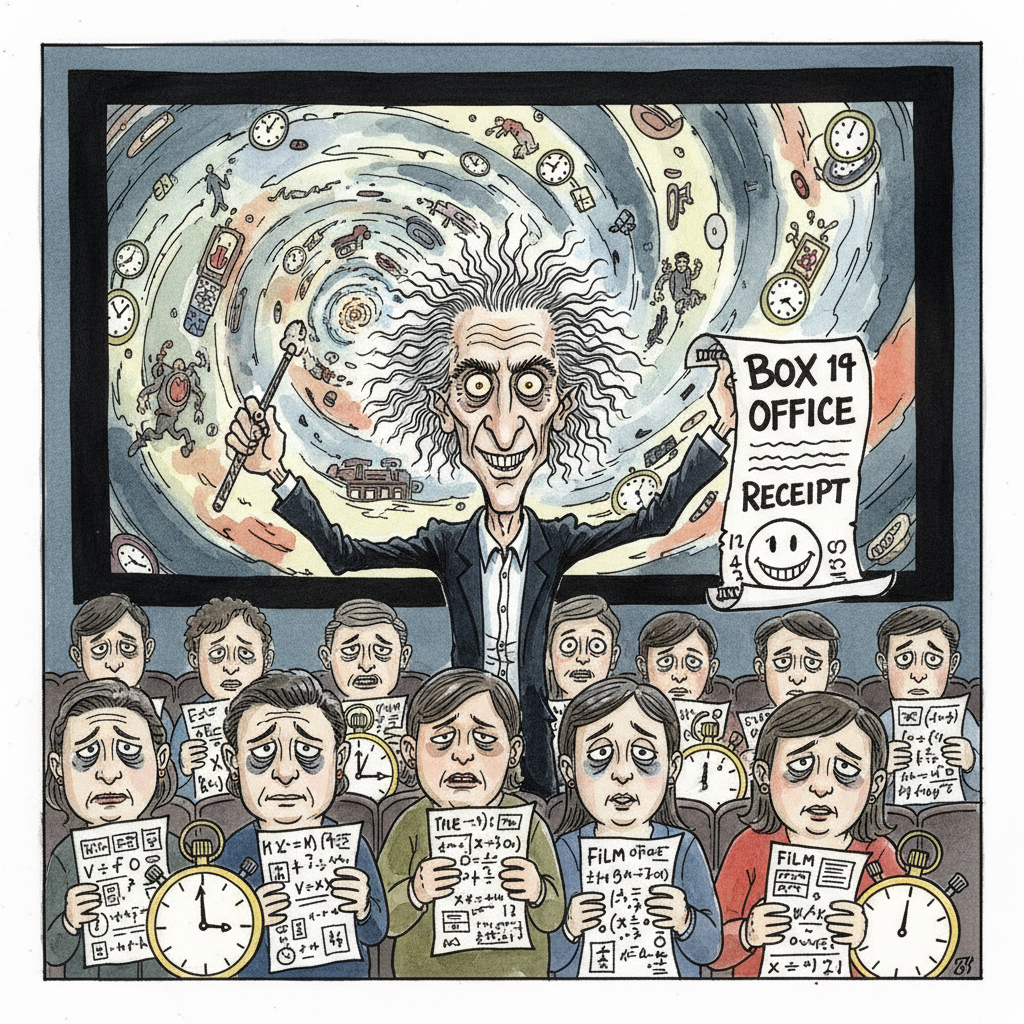
America, a nation notoriously averse to multi-syllabic words and narratives lasting longer than a TikTok commercial, has nonetheless flocked in droves to Christopher Nolan's latest cinematic endurance test, 'The Odyssey.' The nearly three-hour epic, described by some as 'watching paint dry, but the paint is quantum physics and the brush is a headache,' raked in a bewildering $124.5 million over its opening weekend. Analysts are stunned, speculating this phenomenon hints at a latent masochism in the populace or perhaps a deep-seated desire to finally understand what their philosophy professor ranted about freshman year. Patrons, emerging blinking into the sunlight, reported feelings of profound exhaustion and the vague sense they’d just completed a graduate-level seminar on temporal mechanics, albeit one with significantly more dramatic orchestral swells. "I needed a nap and a strong bourbon afterwards," confessed one weary moviegoer, who then immediately purchased tickets for a second viewing, citing an 'unshakeable feeling of intellectual inadequacy.' Critics, meanwhile, are debating whether the film is a profound artistic statement or merely an elaborate social experiment to gauge the maximum length of time an adult human can remain seated without checking their phone.
A groundbreaking study, funded by an undisclosed consortium of perfectly-coiffed middle managers, reveals that the human brain is physiologically incapable of absorbing directives delivered via email between the hours of 3:30 AM and, well, 'pretty much whenever I'm comfortably asleep.' This startling discovery follows anecdotal evidence from countless morning-after meetings where critical information, explicitly stated in subject lines like 'URGENT: IMMEDIATE ACTION REQUIRED BY 8AM OR OFFICE BUILDING EXPLODES,' was somehow overlooked by 98% of recipients.
Experts theorize this phenomenon is directly linked to the burgeoning Zoom economy, where the average worker, now liberated from the tyranny of pants, has unconsciously developed an advanced 'selective attention filter' that transmutes any perceived work-related audio or visual stimulus into the ambient hum of a refrigerator. Industry analysts predict a revolutionary shift towards pre-recorded, interpretive dance performances for critical announcements, under the assumption that 'if they're not even looking at the screen, at least someone's getting some cardio.' The future of corporate communication, it seems, hinges on our ability to distinguish essential tasks from the digital white noise of our own making.
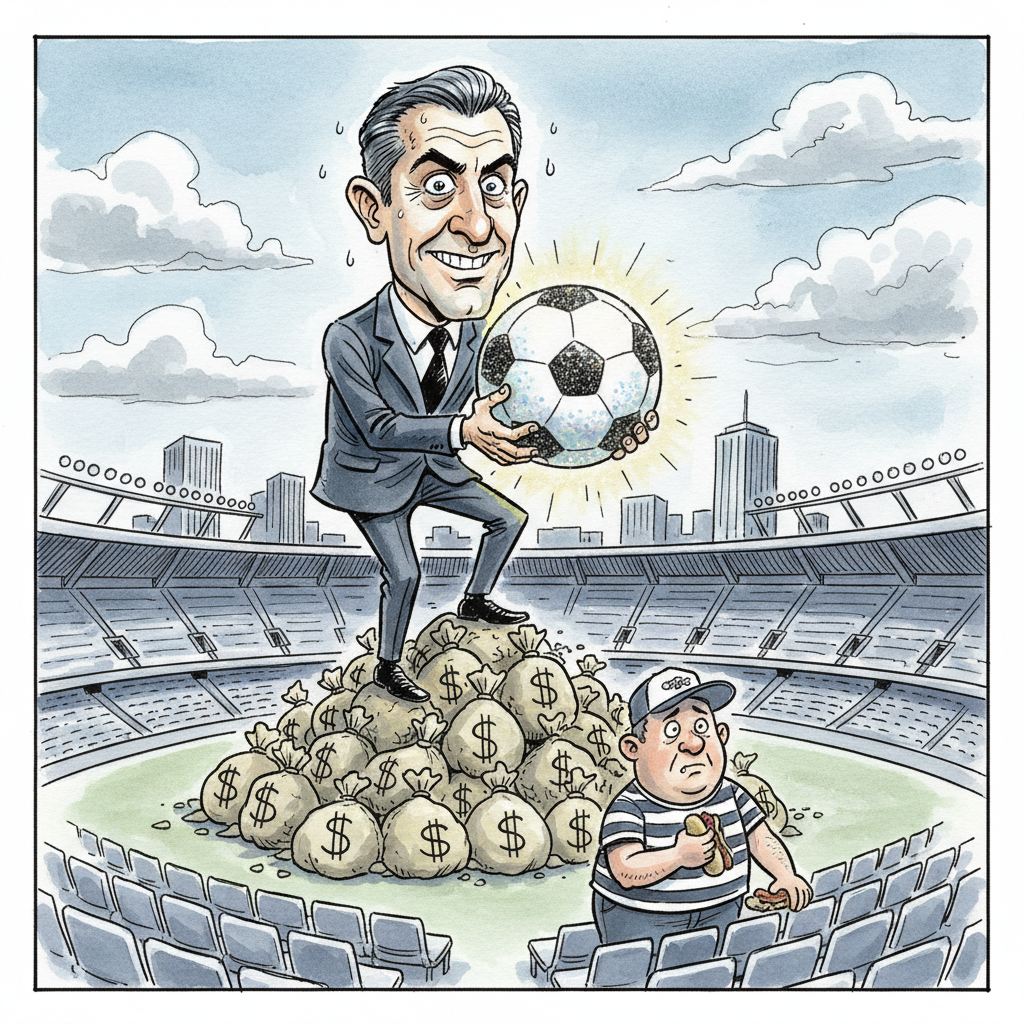
America, a nation notoriously allergic to anything resembling disciplined foot-eye coordination, recently experienced a fleeting, eight-year-long planning session culminating in a mild case of 'World Cup Fever.' Experts confirm this peculiar strain manifests primarily as a sudden, inexplicable interest in a sport heretofore only tolerated in schoolyard P.E. classes, quickly followed by amnesia regarding player names and offside rules. MLS Commissioner Don Garber, a man who has clearly mastered the art of protracted corporate anticipation, has been meticulously strategizing to 'capitalize' on this fleeting national delusion. His master plan, we understand, involves tempting Americans with the very concept of *not* immediately forgetting who Lionel Messi is, a Herculean task by any measure.
Sources close to the negotiations whisper that Garber’s strategy involves subtly inserting the word 'soccer' into more televised hot dog commercials and possibly commissioning a reality show where D-list celebrities attempt to understand why a 'nil-nil' score isn't a typo. The ultimate goal, per internal memos accidentally left on a park bench next to a discarded 'Football (Soccer)' rulebook, is to harness the residual 'fever' into actual, sustained interest – a feat previously considered less likely than a synchronized ballet troupe performing on the moon. Critics, however, argue that simply adding more branded merchandise that Americans will inevitably confuse with rugby gear might be a slightly more achievable objective.
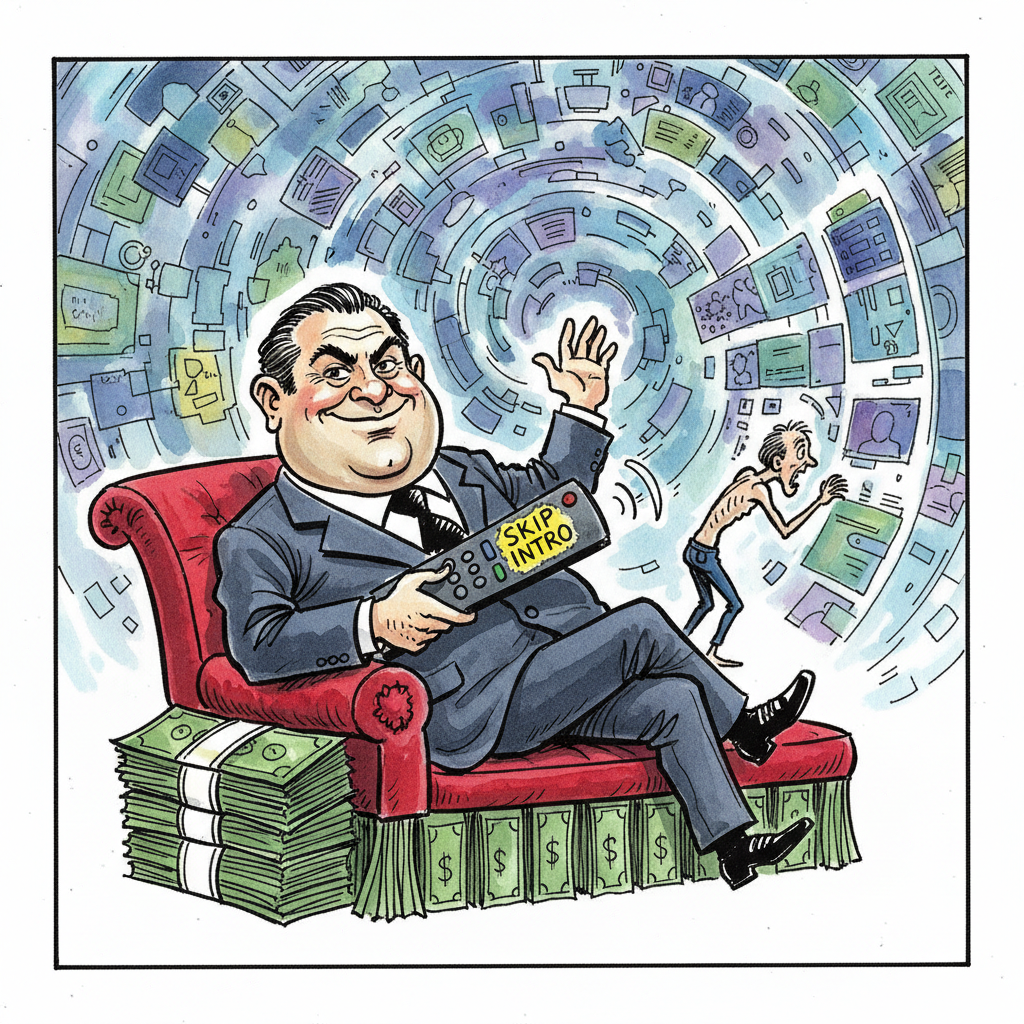
In a truly shocking development that stunned exactly no one, Netflix, the digital opium den of choice for billions, announced a robust 13% increase in revenue, soaring to a staggering $12.6 billion. Analysts, or as they're known in the industry, 'professional guessers with excellent tailoring,' were reportedly thrilled that the streaming giant continued its relentless march toward total global consciousness absorption, right on schedule. One wonders if the next earnings call will simply involve a collective sigh of relief that humanity still possesses functional eyeballs to glue to screens.
Sources close to the company, who are almost certainly just disgruntled former QA testers, revealed that a significant portion of this growth came from the 'Ad-Supported Tier, But Only for the First 30 Seconds Before You Give Up and Switch to TikTok' demographic. This demographic, surprisingly large, finds immense satisfaction in the sheer act of subscribing and then immediately regretting it, a testament to modern consumer commitment. Industry experts now anticipate Netflix's next big innovation: a subscription model where you pay for the privilege of receiving daily notifications about shows you'll never watch.
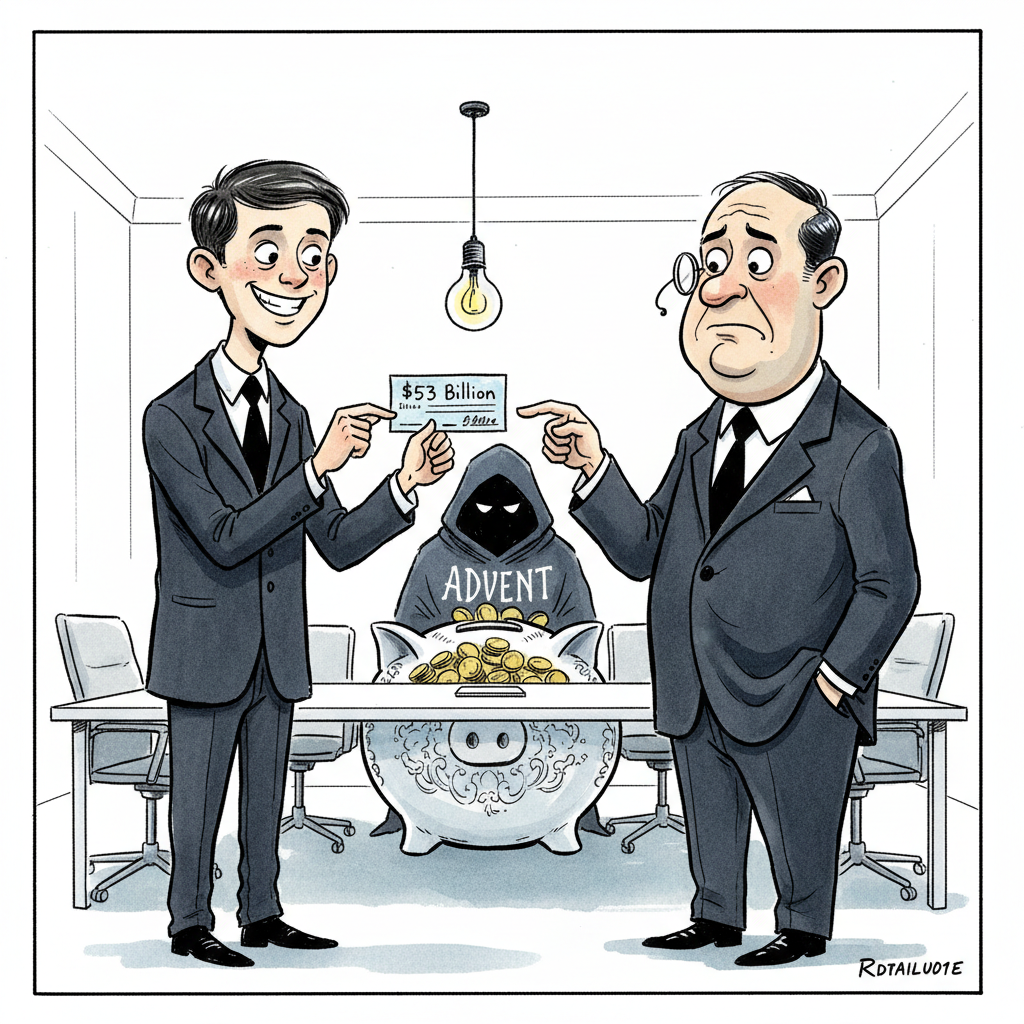
In a move that has left financial pundits clutching their pearls and murmuring about 'corporate decorum,' payments insurgent Stripe, in cahoots with the notoriously subtle private equity behemoth Advent, has tendered a veritable 'what if?' to PayPal, offering a sum so diminutive it could barely cover Elon Musk's annual Twitter-induced therapy bills. Industry insiders are describing the $53 billion bid as less of an acquisition offer and more of a 'we found this under the couch cushions' gambit. One analyst, who wished to remain anonymous lest their stock options spontaneously combust, noted, "It’s the financial equivalent of offering a vintage Château Lafite for the price of a particularly aggressive kombucha."
The prevailing theory is that Stripe, having perhaps recently discovered a hitherto unknown stash of gold doubloons or simply mistaking PayPal’s current valuation for a particularly ambitious garage sale, believes its paltry sum will somehow entice the venerable digital wallet. PayPal, meanwhile, is said to be considering a counter-offer: a gift certificate to a moderately priced sushi restaurant, redeemable only on Tuesdays. Sources close to the negotiation table report a palpable tension, punctuated only by the occasional sound of a fax machine whirring to life, delivering what is presumed to be another cheeky, yet undeniably serious, bid for 73 cents and a bag of crisps.
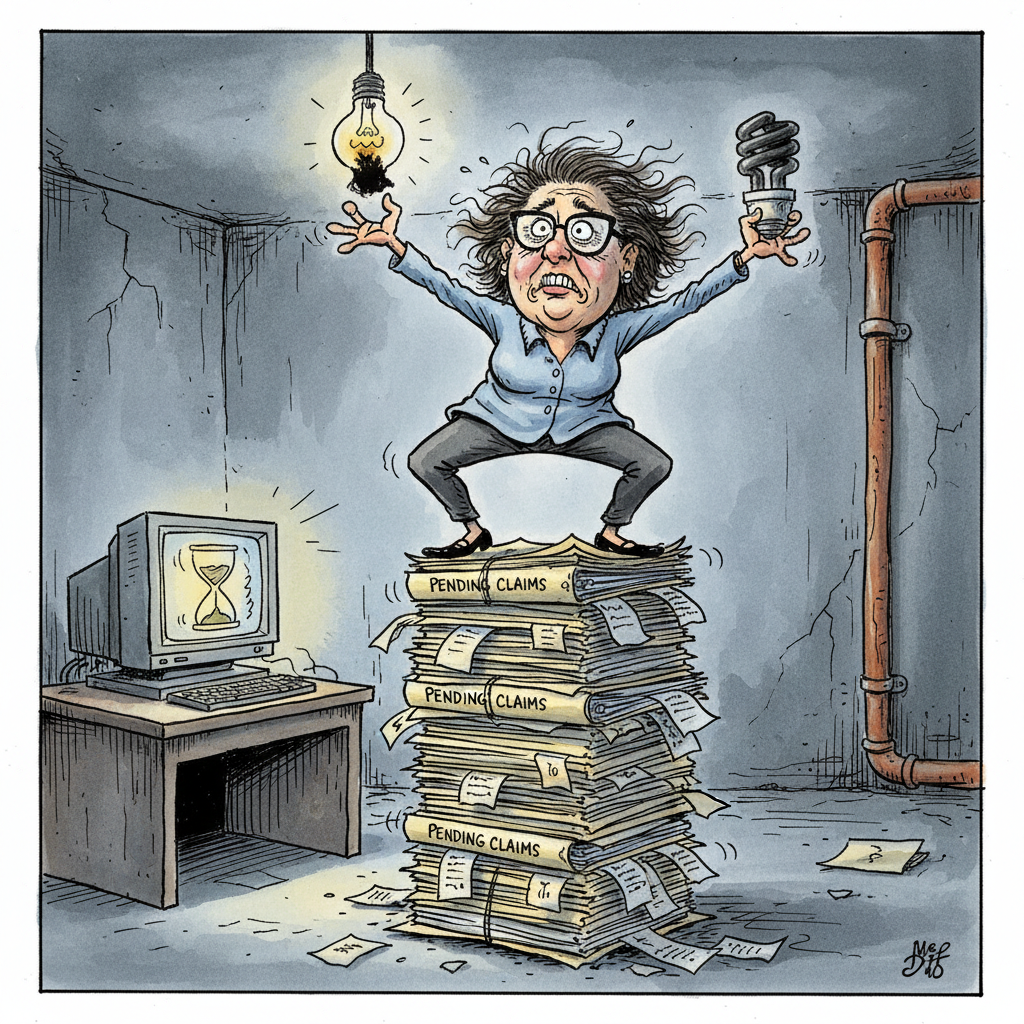
Following last year's historic, efficiency-driven exodus of approximately 7,800 human beings, Social Security administrators have unveiled a groundbreaking new strategy to address the resulting 'stabilization challenges.' Sources close to the agency, and by 'close' we mean 'desperate to get their claims processed,' report that after extensive deliberation, the leadership has finally decided to re-hire some of those selfsame people. This innovative approach, dubbed 'The Boomerang Effect,' promises to re-introduce institutional knowledge, albeit knowledge slightly more jaded and significantly less punctual.
The agency's top brass, reportedly fresh from an executive retreat centered on the philosophical implications of a spinning beach ball icon, is now singularly focused on 'improving technology.' Experts speculate this means replacing the 1990s-era green screen terminals with 2000s-era beige box monitors, thus catapulting the department into the glorious new millennium. Early trials of the 'Next-Gen Workflow Optimization System,' however, have been met with reports of enhanced digital 'paper cuts' and a startling increase in employees spontaneously shouting 'Why no, I *don't* want to send an error report to Microsoft!' as their screens freeze, a testament to the system's robust, contemporary design.
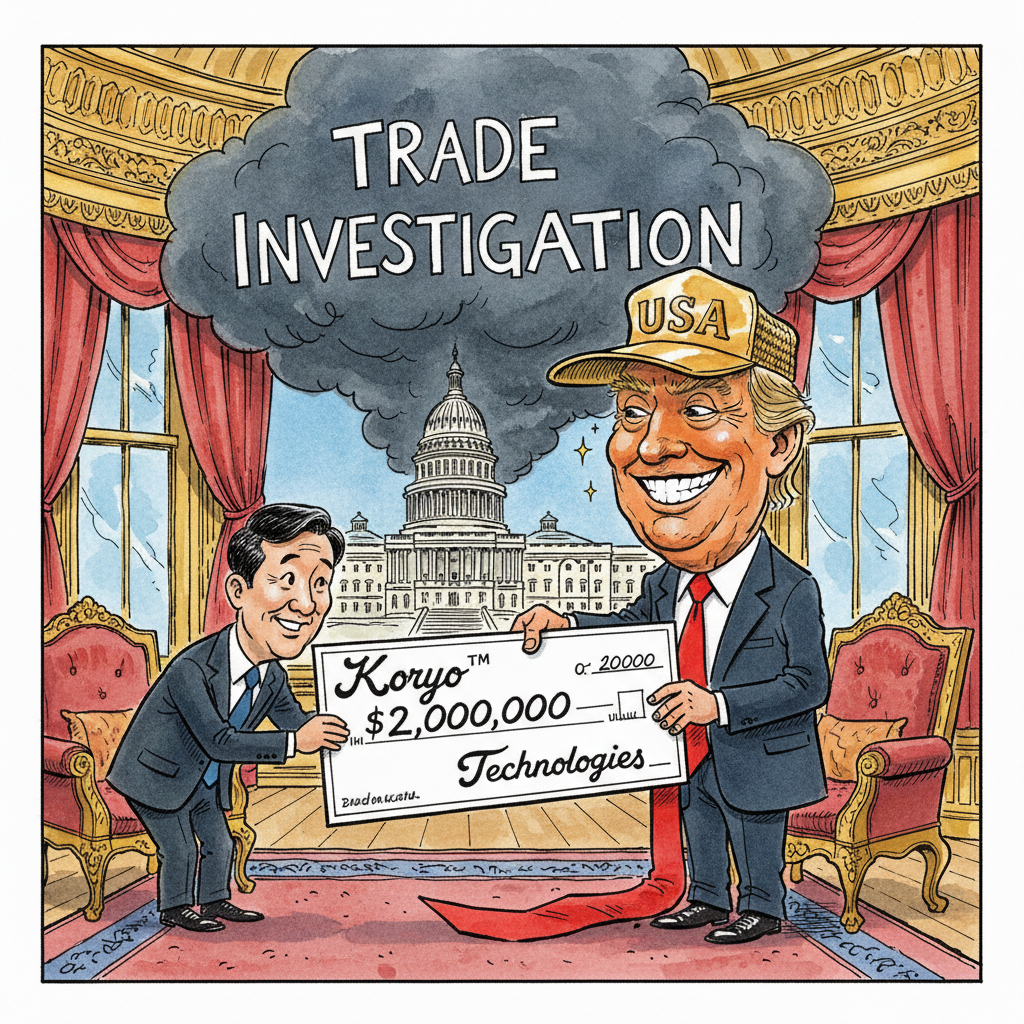
In a display of fiscal magnetism that would baffle less… *charismatic*… leaders, former President Trump has reportedly received a generous $2 million infusion from a South Korean conglomerate currently experiencing the unique thrill of a U.S. trade investigation. Critics, those ungenerous souls, are attempting to conflate this perfectly normal financial transaction with, gasp, potential influence peddling. Clearly, they misunderstand the highly nuanced art of cross-cultural friendship, which frequently involves large, un-earmarked sums of money changing hands just as international diplomatic tensions reach peak piquancy.
Sources close to the former president, who preferred to remain anonymous to avoid participating in *any* geopolitical soap opera, stressed that Mr. Trump’s enduring business acumen simply radiates across borders, attracting lucrative opportunities like a moth to a very, very expensive flame. The payment, they insisted, is merely a token of deep appreciation for his… *visionary*… efforts in global trade, which have undeniably created a vibrant, if occasionally volatile, international marketplace. It’s not a quid pro quo; it's a quid *pro bono*… if that *pro bono* included a seven-figure thank-you. Think of it as a preemptive 'best wishes' for future… *negotiations*.
America, a nation notoriously allergic to anything that isn't oversized, chrome-plated, and capable of single-handedly draining the national power grid, is now confronted with the Slate Auto electric pickup. For a mere $25,000, you too can experience the thrill of vehicular austerity, delivered in a chassis that whispers 'I'm a conscientious consumer, but mostly, I'm just cheap.' Industry experts are reportedly baffled, wondering how Slate Auto plans to sell a truck that doesn't immediately suggest one's entire identity is tied to its towing capacity, or at least its ability to intimidate smaller sedans at a traffic light.
Sources close to the manufacturer confirm the vehicle's interior is so spartan, it comes with a complimentary yoga mat and a pamphlet on embracing minimalism, just to manage customer expectations. The marketing team, reportedly locked in a soundproof room for weeks, finally emerged with the slogan: 'Slate Auto: It Gets You From Point A to Point B, Presumably.' Early test drivers report a profound sense of self-reflection, possibly due to the sheer lack of distracting features that typically numb the existential void during daily commutes.
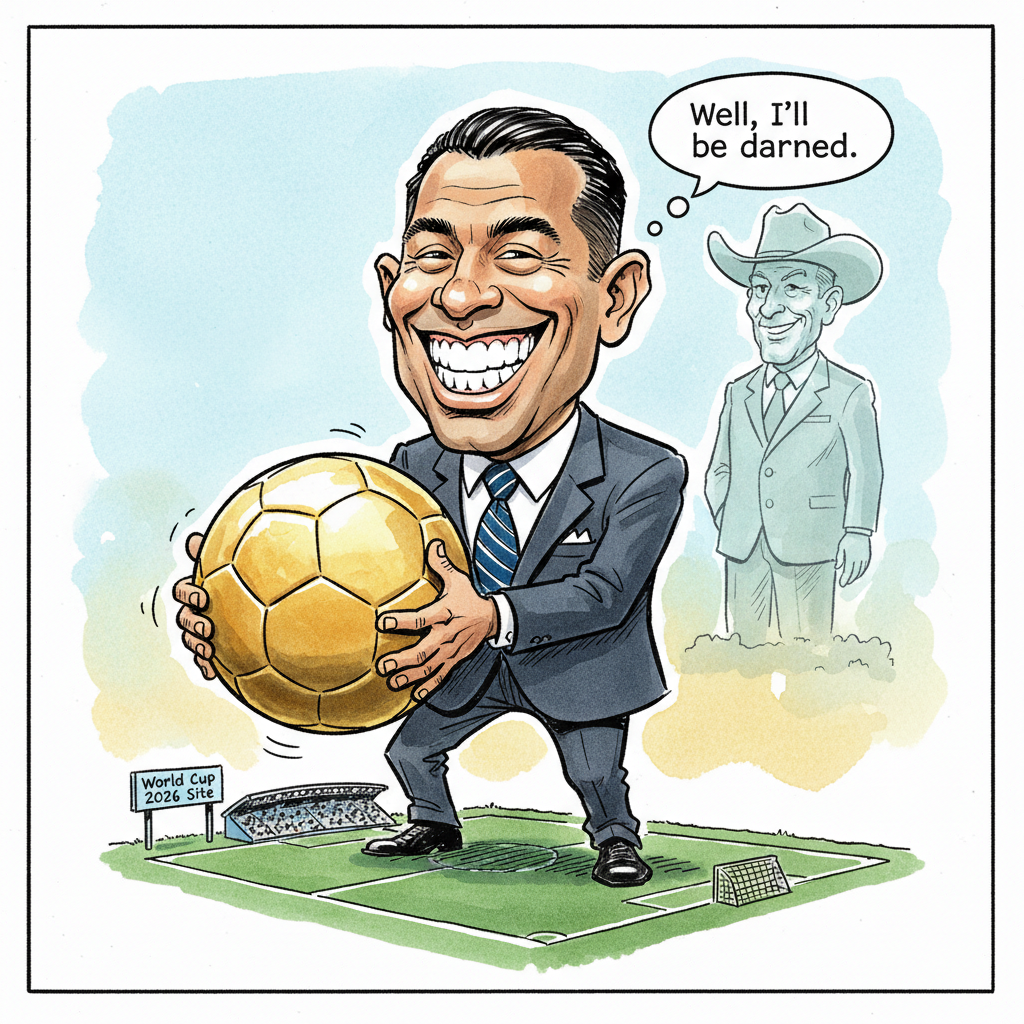
In a narrative twist that would make even the most jaded urban planner blink, the unassuming metropolis of Kansas City, known primarily for its barbecue and the existential dread it instills in rival football teams, has miraculously transcended its provincial purgatory. By sheer virtue of having a giant, inflatable sphere temporarily parked within its city limits – or, more accurately, the promise of several such spheres in 2026 – KC has effectively declared itself the undisputed "Capital of Absolutely Everything Important." Civic leaders, presumably after a spirited debate about the optimal ratio of 'h' to 'w' in their new global mantra, have announced that the city's historical minor-league inferiority complex has been fully eradicated by the sheer gravitational pull of an international sporting event.
Experts from the Institute for Unearned Global Notoriety confirmed that the city's ascendancy is directly proportional to its historical association with a gentleman named Lamar Hunt, whose foresight in co-founding Major League Soccer now posthumously grants Kansas City the kind of international cachet usually reserved for places with more than one direct flight from Europe. Locals, previously content to simply *enjoy* watching a ball game, are now reportedly practicing their neutral-accented declarations of 'futbol' and attempting to discern the geopolitical implications of various national anthems, all while carefully avoiding eye contact with anyone who might ask them to locate Uruguay on a map. The city's official new slogan, sources report, is a succinct and slightly panicked: 'We're World Class Now, Please Don't Ask Follow-Up Questions.'
It seems the existential dread once reserved for the housing market has found a new, surprisingly lucrative home: parental investment strategies. Wall Street analysts are marveling at what they're colloquially terming the 'Trump Effect,' noting a significant uptick in early-childhood financial planning. "It's truly remarkable," stated Bloomberg analyst Chad 'The Wealth Whisperer' Kensington, adjusting his silk pocket square. "Parents, bless their naïve hearts, are now seeing their offspring less as bundles of joy and more as highly volatile, long-term speculative assets. The market volatility, the Twitter feeds, the sheer unpredictability – it's training them for real-world risk management before little Timmy can even spell 'recession.'"
Indeed, platforms once catering to the 'Lemonade Stand Mogul' demographic are now awash with sophisticated ETFs and crypto-adjacent mutual funds, all under the guise of an adorable cartoon mascot. One parent, who requested anonymity to protect her son's future credit score, admitted, "Little Bartholomew is only two, but we've already diversified his portfolio across blockchain, sustainable algae farms, and a small holding in a company that processes tears into bottled water. You know, just in case." Experts predict this trend will lead to a generation of financially astute toddlers who can recite their equity holdings before the alphabet, and possibly, an innovative daycare model where children trade futures contracts during naptime.
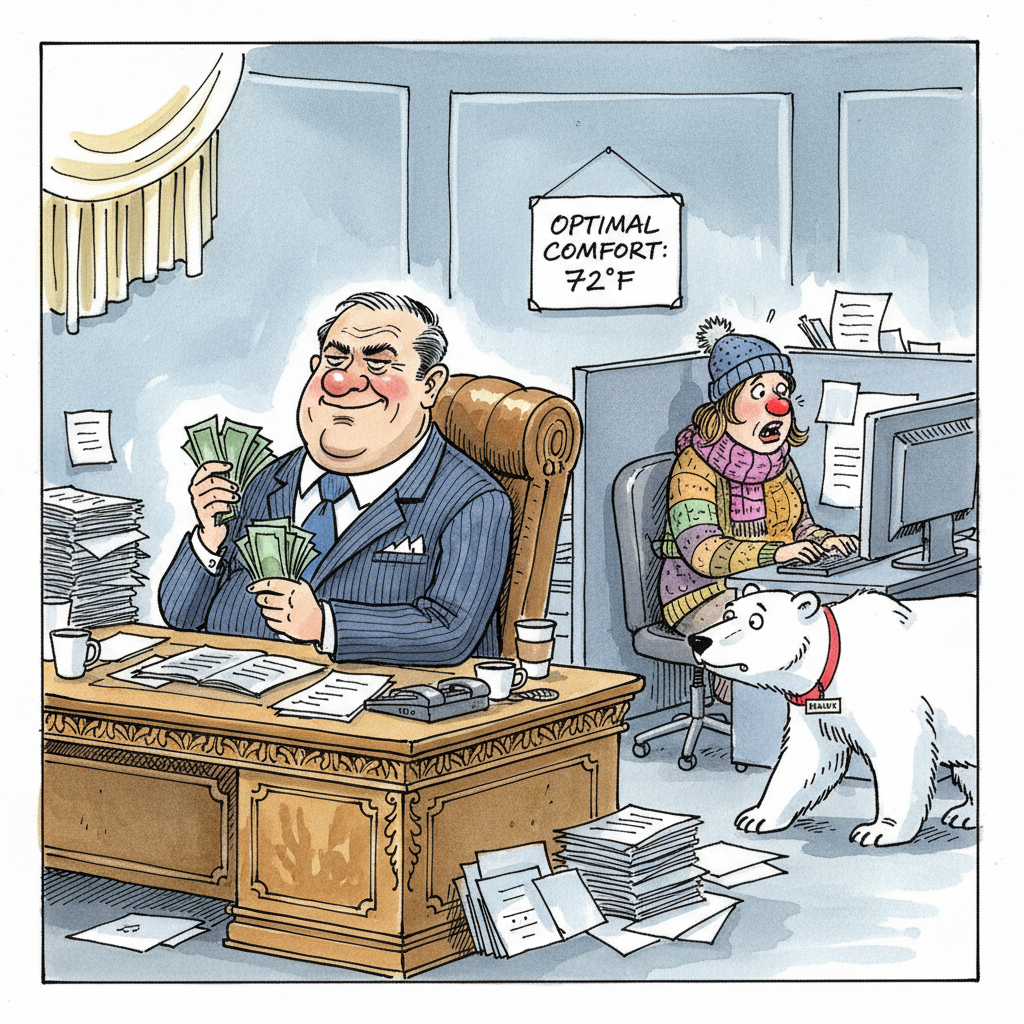
It appears the enduring struggle between professional decorum and hypothermia continues unabated in America's gleaming ivory towers. Recent findings indicate that your office building's glacial internal climate — often hovering at a balmy 72 degrees Fahrenheit during summer's sweltering high noon — isn’t a conspiracy, merely a testament to the biological imperative of the average 1970s businessman, whose basal metabolic rate, apparently, still dictates modern HVAC policy.
Experts explain this arctic phenomenon isn't some complex thermodynamic quandary, but rather the charmingly anachronistic Fanger thermal comfort model, a scientific artifact from yesteryear designed to accommodate men in full suits. Women, perpetually clad in modern, less insulating attire, are simply collateral damage in this sartorial time warp. So, while you're contemplating whether to fashion a makeshift scarf from a discarded memo, remember that somewhere, a phantom executive in a three-piece flannel is experiencing peak comfort. Perhaps next, we'll revert to quill and ink for optimal temperature regulation.
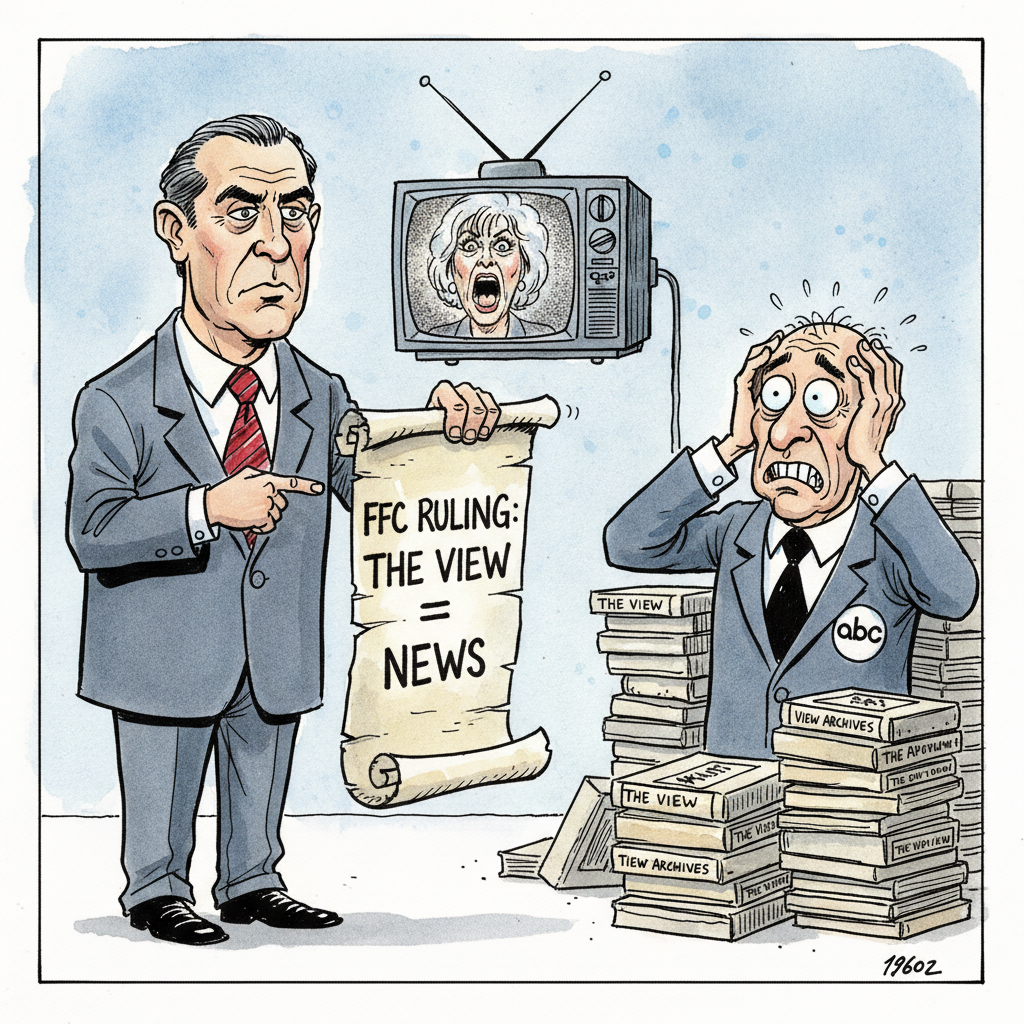
In a stunning display of bureaucratic archaeology, ABC has dusted off a scroll from 2002, solemnly declaring that the Federal Communications Commission (FCC) once, in a moment of apparently profound insight, deemed "The View" a "bona fide news program." This revelation, delivered with the gravitas typically reserved for unsealing pharaonic tombs, effectively means that every heated discussion about Meghan McCain's sartorial choices or the precise culinary merits of oat milk lattes has, for two decades, been a sacred act of journalism. One can almost picture the FCC commissioners of yore, huddled around a CRT monitor, earnestly debating the geopolitical implications of Whoopi Goldberg's eyewear, arriving at their earth-shattering conclusion just as Limp Bizkit topped the charts.
Critics, still reeling from the implications that twenty years of daytime television squabbles are functionally equivalent to Woodward and Bernstein, have questioned if this retroactive classification now qualifies 2005's 'Great Barbara Walters vs. a particularly stubborn stain on her mug' incident as a Pulitzer-worthy investigative report. ABC's legal team, however, remains unperturbed, reportedly preparing to submit archived footage of Joy Behar's dramatic eye-rolls as evidence of rigorous, Emmy-winning analytical prowess. The network is also said to be exploring whether this ruling permits them to retroactively apply for tax breaks traditionally reserved for outlets courageously reporting from war zones, effectively rebranding the studio as the 'Front Lines of Fervent Opinion.'
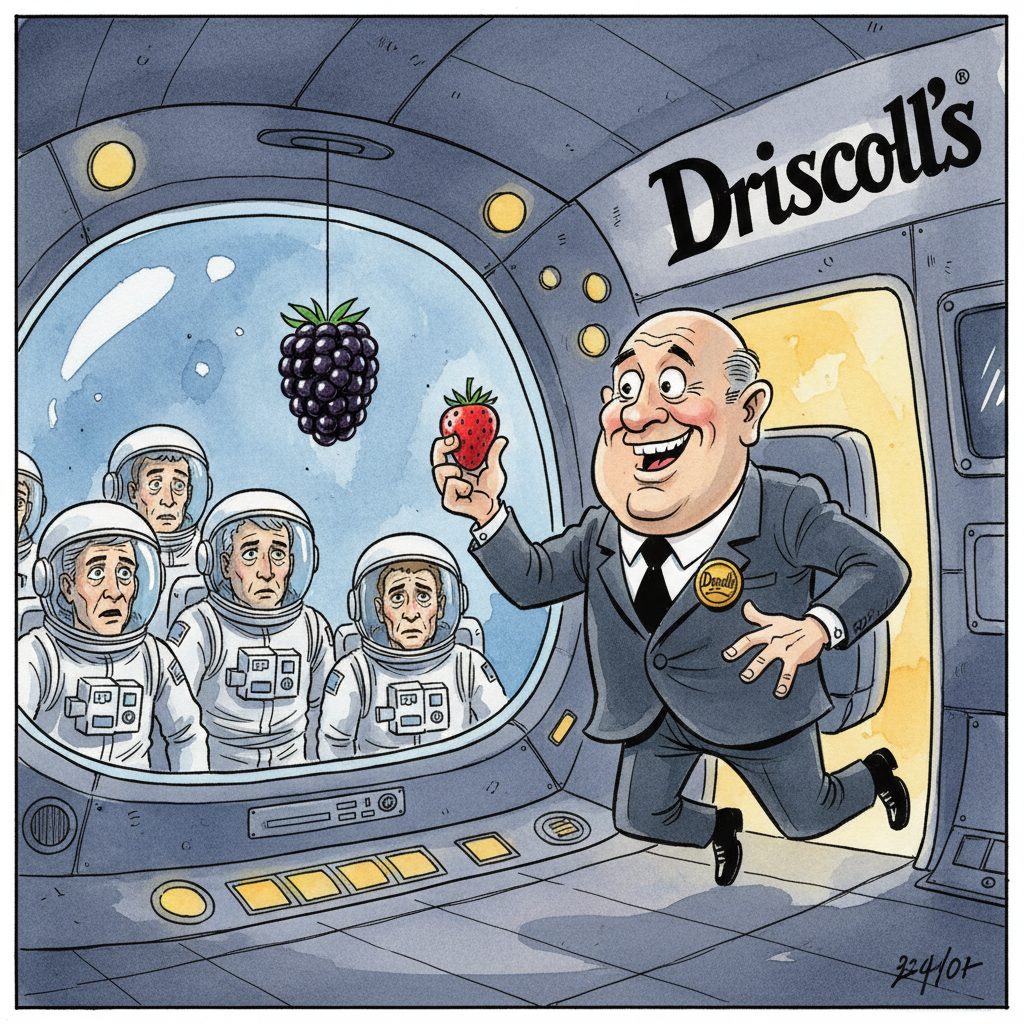
In a bold move that some are calling 'inevitable' and others 'an affront to seasonality itself,' berry behemoth Driscoll's has announced a multi-trillion dollar initiative to expand its empire beyond terrestrial bounds. Following its wildly successful campaign to make strawberries a year-round fixture, regardless of climate, harvest cycle, or basic horticultural common sense, the company now sets its sights on the final frontier. "Our shareholders demand nothing less than universal berry saturation," stated CEO Hubert 'Hub' Berryman from his oxygen-deprived executive suite, hinting at a future where even the most remote lunar outpost will be awash in perfectly uniform, slightly less flavorful, but eternally available raspberries. Critics, if any still exist who haven't been subsumed by the berry matrix, suggest this might finally be the moment we acknowledge that some things, like the delicate joy of a truly seasonal fruit or the quaint notion of 'waiting,' are perhaps worth preserving. But for now, prepare for the cosmic compote.
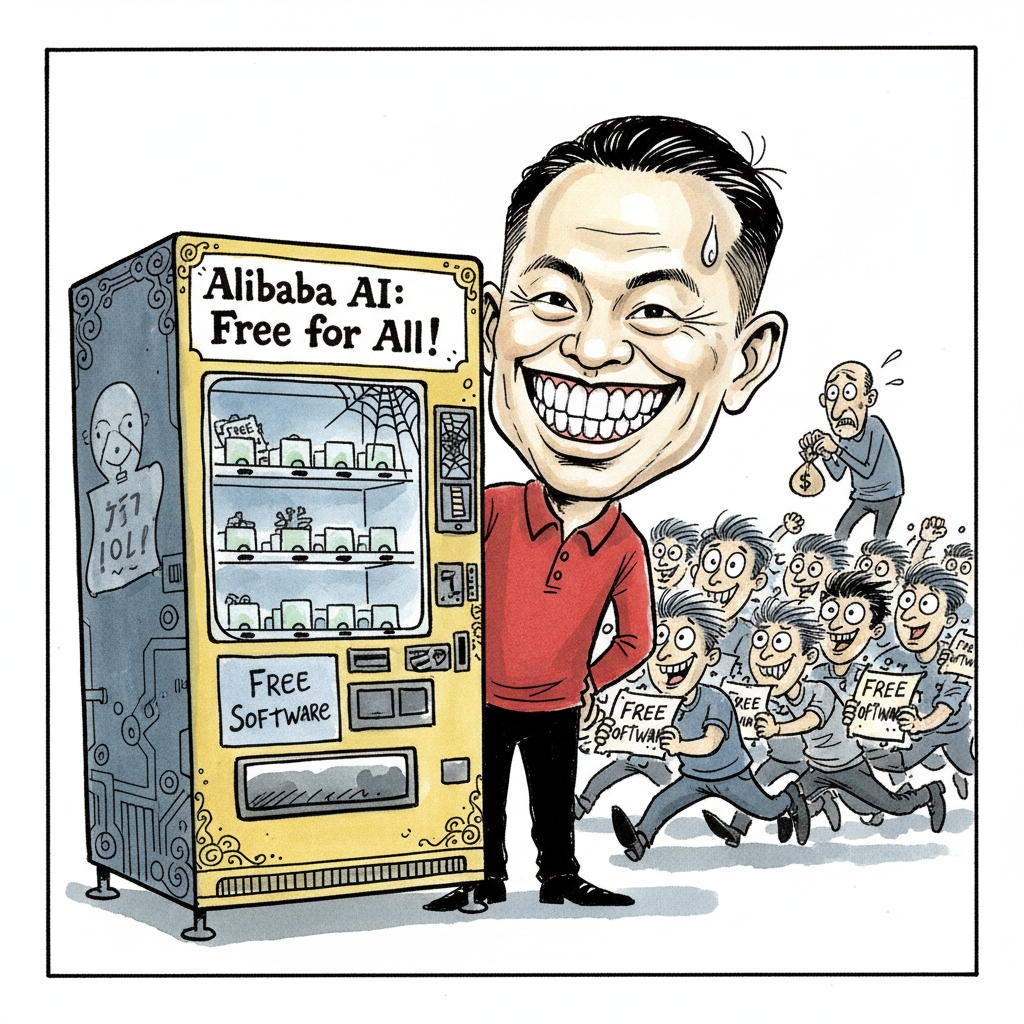
In a stunning display of altruism, or perhaps an unprecedented lapse in capitalistic judgment, Chinese tech titan Alibaba has successfully introduced a suite of Artificial Intelligence models so universally adored they've been downloaded more times than a cat video of comparable intellectual depth. Developers worldwide, from Silicon Valley’s most self-serious coding gurus to that one guy in his mom's basement who just wants to make a better animated GIF, are reportedly basking in the glorious, open-source glow of Alibaba's computational benevolence. This widespread adoption, however, has proven about as lucrative as selling air to birds.
While rivals have been busy perfecting sophisticated paywalls and monetization strategies that involve convincing users they simply *must* pay for the 'pro' version of an emoji generator, Alibaba seems content to have birthed an entire digital ecosystem where the only thing being generated is goodwill – a currency regrettably not accepted at the central bank. Sources close to the company indicate a high-level meeting recently devolved into a philosophical debate on whether 'global prestige' could be traded for, say, a new corporate jet. The consensus, apparently, was 'no.' The models are so widely used and freely modified, the company’s R&D department is reportedly considering asking for donations, perhaps featuring a cute little animated 'Donate Now!' button next to the 'Free Download' button, just for irony.
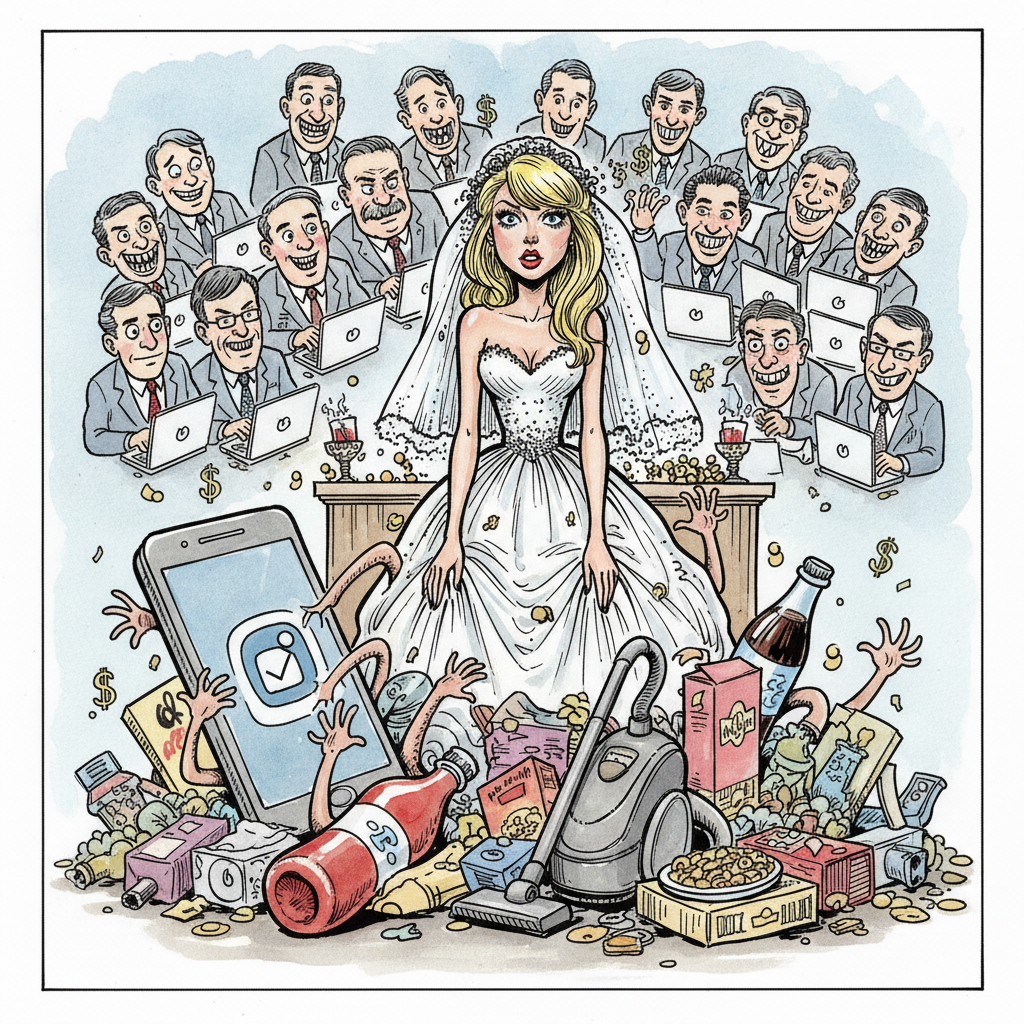
In a display of unprecedented corporate agility, the digital marketing sphere collectively soiled itself this week, transforming Taylor Swift’s entirely hypothetical wedding into an olympic-level brand-sprint. While the masses merely imagined the pop titan exchanging vows, a legion of savvy entrepreneurs and monolithic corporations saw not a celebration of love, but a pristine, unblemished canvas upon which to spray-paint their logos. From artisanal candle makers to multinational telecommunication giants, everyone rushed to craft AI-generated pastiches of the "happy couple" enjoying their wares, thereby proving that genuine human emotion is now merely an untapped market segment awaiting monetization. Analysts report that the GDP of online consumer engagement briefly spiked, fueled entirely by the desperate, grasping tendrils of companies attempting to graft themselves onto an event that, crucially, never actually happened. One can only assume that if Swift merely blinked too fast, we'd see a new line of "Blink-Swift" eye drops hit the market.
In a move that has left traditional broadcasters scratching their heads and then gently massaging their temples, viral sensation Julian Shapiro-Barnum, heretofore known for extracting profound philosophical insights from children who haven’t yet mastered shoe-tying, has launched an online-only “late-night” program. Insiders suggest the unprecedented decision to skip the terrestrial airwaves was less a bold leap into the future and more a practical concession to the fact that most of his target demographic has a bedtime.
Sources close to the production (a slightly disheveled person spotted near a laptop in a Brooklyn apartment) confirm the show will retain the classic late-night format: a monologue, a celebrity interview performed via Zoom, and a musical guest… who is also performing via Zoom. Critics are already hailing the innovative segment where the host stares blankly at a buffering icon for two minutes as a poignant commentary on modern digital existence. Early viewership figures indicate an exponential rise in confused parents wondering why the nice man from the 'Recess' show is now interviewing someone who appears to be an animated avocado.
The audacious experiment aims to corner the lucrative 'people who are awake at 11 PM but only if it’s on a screen they can hold' market. Skeptics, however, note that without the comforting ritual of falling asleep to a comedian’s forced laughter at 1:30 AM, the entire genre might just collapse under the weight of its own inconvenient accessibility. The show’s working title, 'Recess Therapy: Unsupervised After Dark,' was reportedly rejected because it sounded too much like a public service announcement about screen addiction.
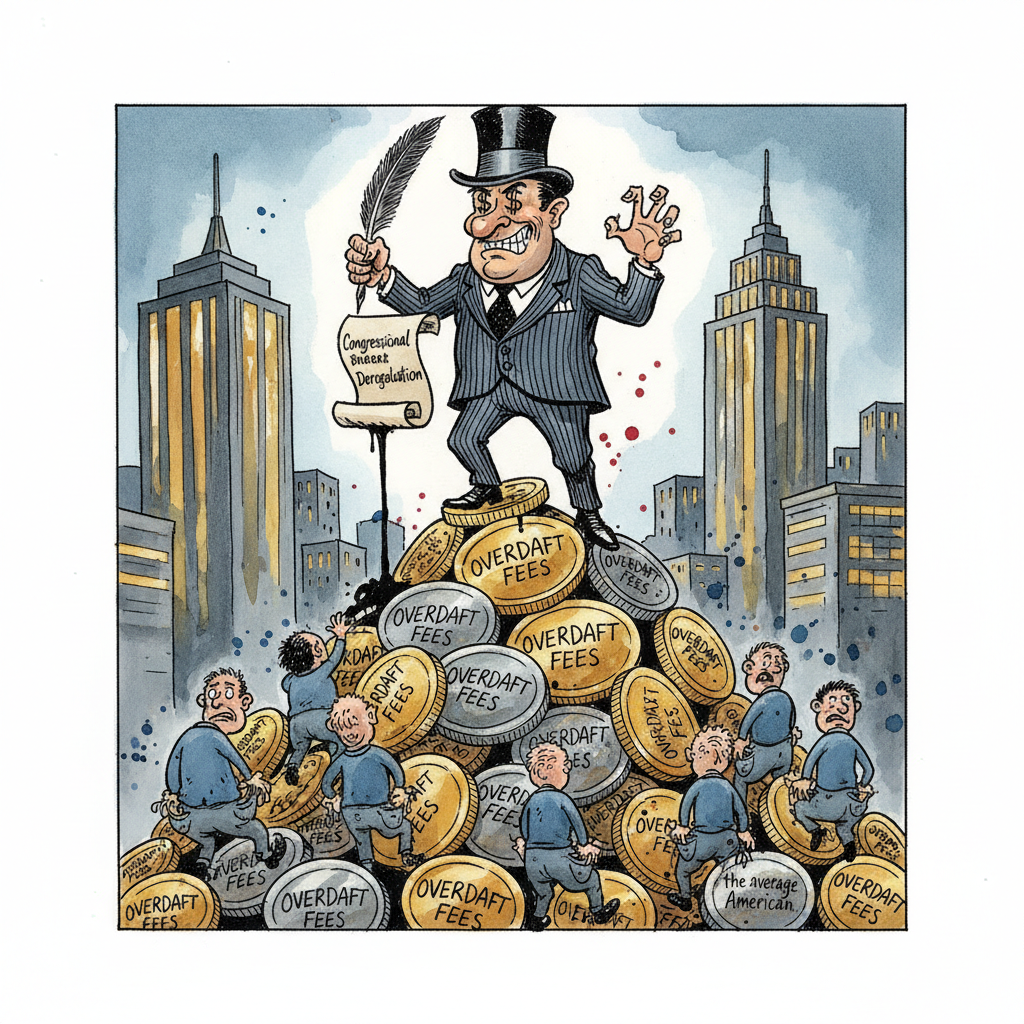
In a move that demonstrates an exquisite understanding of supply-side economics (and perhaps, the precise physics of blood from a stone), America’s leading financial institutions are once again triumphantly raking in record profits from overdraft fees. Following a brief, bizarre interregnum where regulators dared to suggest that perhaps a 36,000% APR on a two-day loan was 'excessive,' Congress heroically intervened last year to scrap the controversial 'don't make us look like Dickensian villains' act. Experts note this legislative triumph allowed banks to embrace their true calling: meticulously penalizing impecunious account holders for the audacity of spending money they didn't technically possess for a fleeting moment. A spokesperson for 'Big Bank Corp.', whose annual revenue from these fees could fund a small nation, eloquently stated, 'It’s not just about the money; it’s about sending a clear message regarding the sanctity of ledger entries and the dire consequences of fiscal impudence.' We assume this message is delivered via certified mail, incurring an additional 'learning opportunity' fee, naturally.
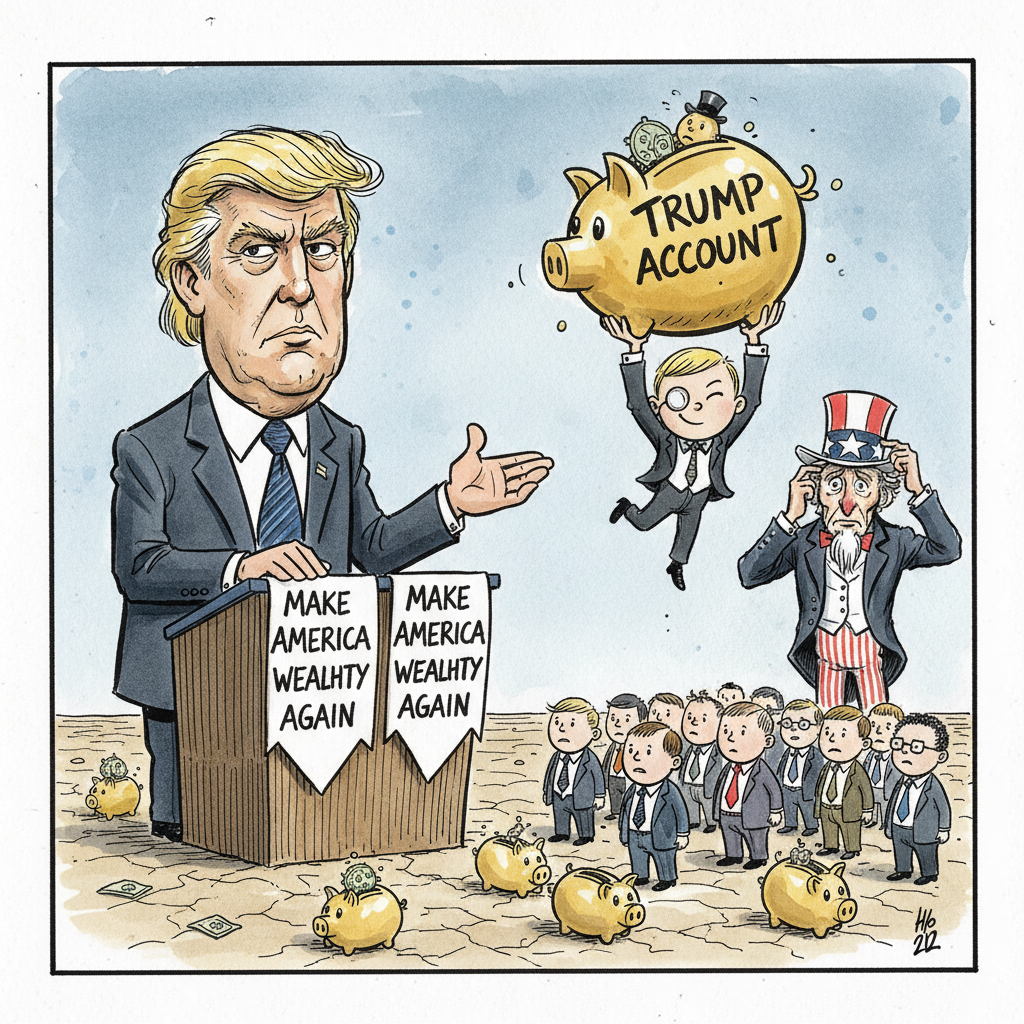
A staggering six million American children are currently on the fast track to financial enlightenment via the much-vaunted 'Trump Accounts,' slated to begin accepting contributions this Independence Day. However, a recent report indicates that millions more – a veritable ocean of pint-sized, future-taxpayers – remain scandalously untutored in the glorious ways of compound interest and unfettered market speculation. Experts warn that without adequate exposure to these patriotic portfolios, these economic innocents risk a childhood devoid of thrilling quarterly reports and the bracing exhilaration of a volatile Dow Jones. One concerned parent, Brenda from Omaha, expressed her dismay: 'How can little Tiffany ever learn to crush her enemies, see them driven before her, and hear the lamentations of their women… financially… if she doesn't have a Trump Account?' Critics dismiss these accounts as mere political theater, but proponents argue they're essential character-building tools for the next generation of American oligarchs, ensuring they learn the subtle art of wealth management before they can even tie their shoelaces, or, more importantly, before they can be lured into the socialist trap of… *gulp*… public libraries.
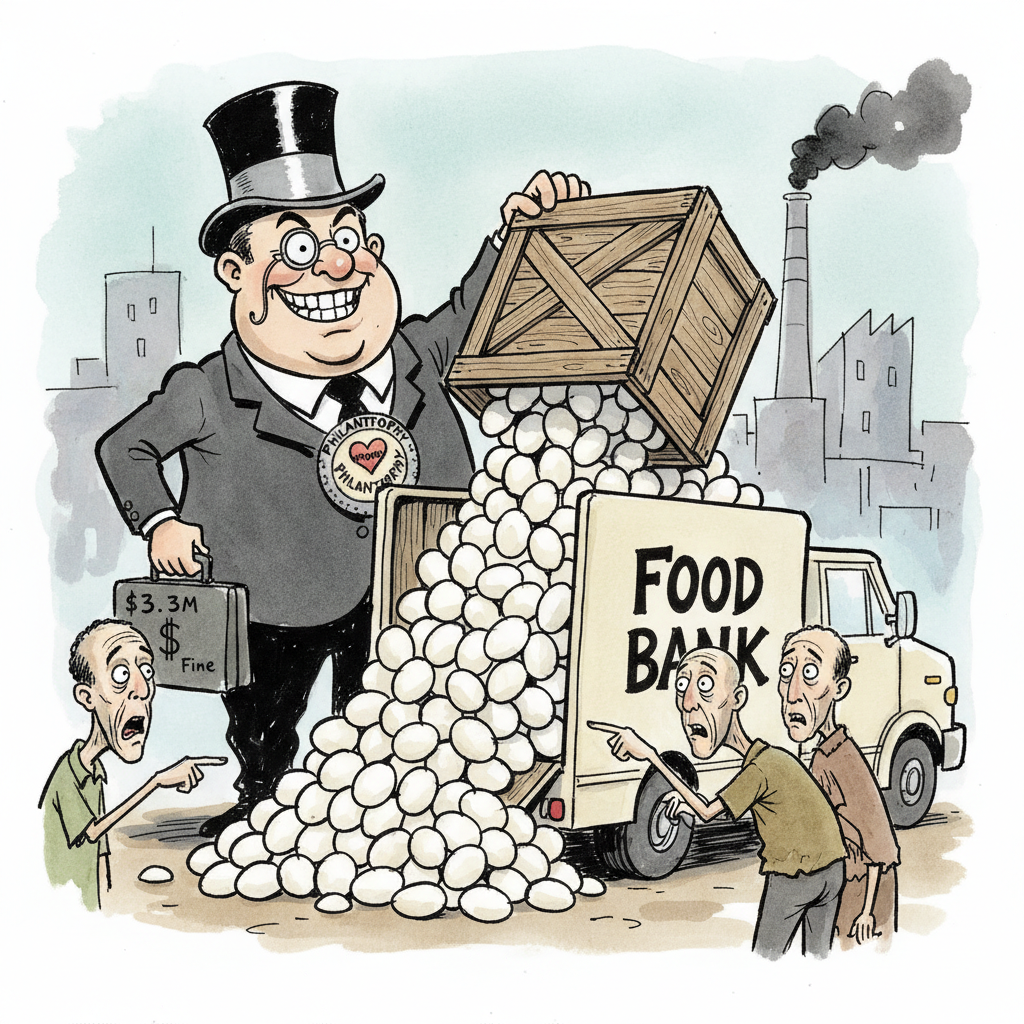
In a display of corporate contrition so profound it nearly registered on the Richter scale, America's leading egg consortium has agreed to fork over a paltry $3.3 million and a staggering 53 million eggs. Ostensibly, this gesture is to settle a federal price-fixing lawsuit, effectively transforming what might have been a prison sentence for egregious market manipulation into an unprecedented philanthropic food drive. Industry analysts are now openly wondering if confessing to crimes and then redistributing the ill-gotten gains will become the new standard for corporate rehabilitation. One executive, speaking anonymously from his yacht, mused, "It's a marvelously efficient system. We inflate prices, consumers overpay, we get caught, and then we're hailed as heroes for donating the very product we exploited. It's almost... poetic."
The terms of the settlement, which include the 'generous' donation of eggs to food banks in 17 states, have been lauded by some as a win for the hungry. Others, however, see it as the gastronomic equivalent of returning a stolen car with a full tank of gas – commendable, perhaps, but it doesn't change the fact that the joyride happened. Critics point out that 53 million eggs represent a mere fraction of the eggs sold during the alleged price-fixing period, leaving consumers with the distinct impression that they've been placated with breakfast leftovers after a five-course financial feast. The only thing truly cracked, it seems, is the public's enduring faith in true market competition.
In a move hailed by economists as 'the boldest reimagining of corporate philanthropy since the invention of the offshore account,' chip titan Micron Technology has pledged a staggering $250 million to a new 'investment' vehicle, strategically co-piloted by former President Donald Trump. Sources close to the deal, who requested anonymity lest they be forced to explain the fiscal mechanics to a congressional committee, suggest this innovative 'fund' will primarily focus on 'synergistic opportunities within the very fabric of American prosperity' – primarily, it appears, the fabric currently draped over Mar-a-Lago's gold bathroom fixtures.
Industry insiders are still debating the revolutionary nature of this 'investment account' which, unlike traditional investment accounts, seems to primarily generate returns in the form of glowing presidential endorsements and strategically worded press releases that just happen to neglect any mention of anti-trust concerns. A Micron spokesperson, reached between golf swings, clarified that the company is simply 'future-proofing its strategic partnerships' and expects the $250 million to be 'a sound outlay for securing optimal operating environments, both domestically and, shall we say, atmospherically.' Financial analysts, meanwhile, are updating their spreadsheets to include a new category: 'Geopolitical Goodwill, Non-Reciprocal.'
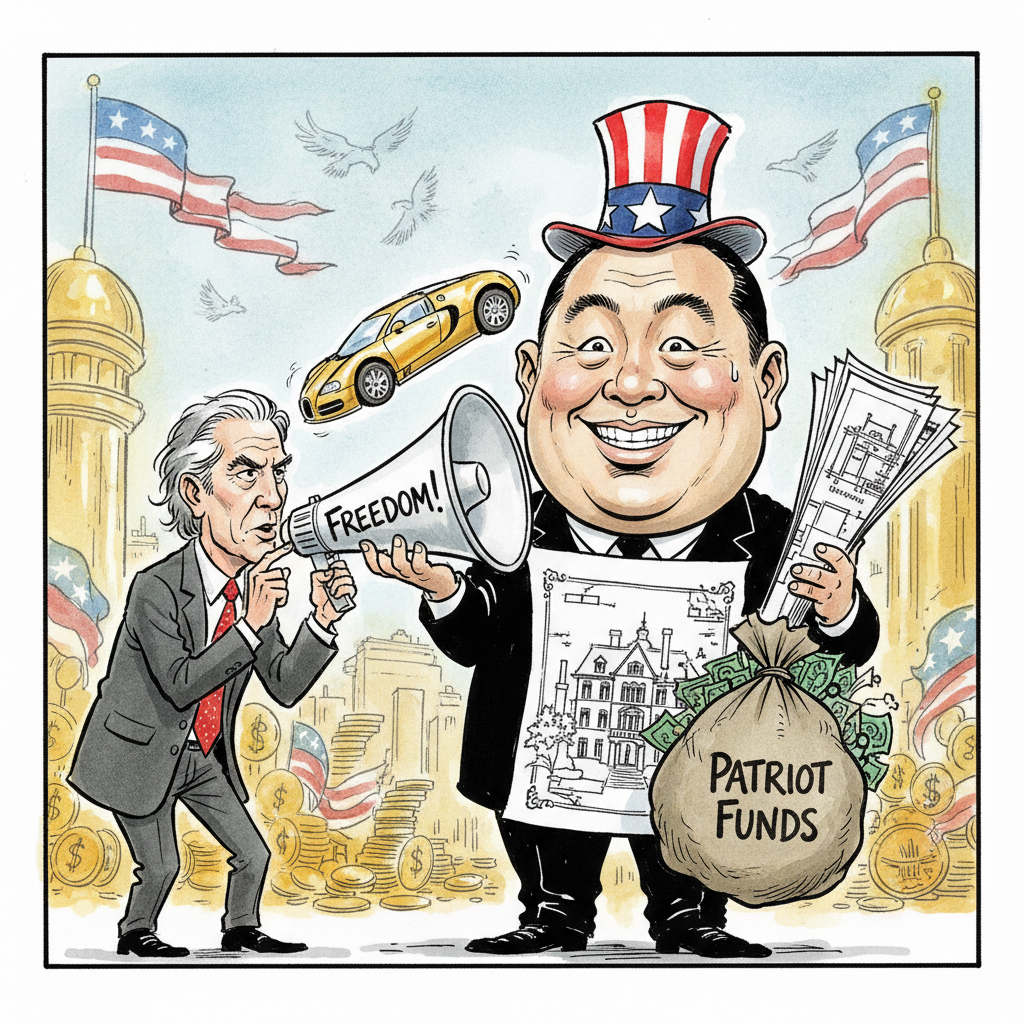
It appears the American dream – the one where you fleece gullible patriots while posing as a freedom fighter – has hit a snag. Guo Wengui, formerly a Chinese billionaire and, more importantly, a Bannon associate (because nothing says 'anti-communism' like associating with a man who has perfected the art of strategic dishevelment), has been summarily sentenced for separating well-meaning citizens from their meager savings. Sources within his lavish, taxpayer-funded (kidding, mostly) lifestyle reported that the mental burden of 'crusading' became so immense, it necessitated an immediate purchase of multiple opulent residences and a Bugatti. Apparently, the proletariat simply cannot grasp the sheer psychological toll of maintaining such a vigorously principled front.
The defense, we're told, argued that Mr. Wengui was merely engaging in 'pre-emptive wealth redistribution,' ensuring capital remained in private hands – his hands, specifically – rather than falling into the clutches of... well, not the Chinese Communist Party, obviously. It's a nuanced distinction lost on federal judges still clinging to antiquated notions of 'fraud' and 'fiduciary duty.' One can only imagine the sheer existential dread of having to choose between a sensible sedan and a 16-cylinder symbol of defiance against totalitarianism. Clearly, the latter is the more patriotic, albeit financially expedient, choice.
Washington D.C. — In a move that has political strategists across America frantically Googling 'Fed Governor Lisa Cook net worth,' former President Donald Trump has gracefully accepted his recent judicial setback by immediately threatening to fire the Federal Reserve governor. Sources close to the former Commander-in-Chief confirm that after the Supreme Court, in a stunning display of legal pedantry, invalidated his visionary plan to award every American a 'golden parachute' stuffed with Mar-a-Lago chotchkies, Trump’s natural response was to identify the nearest well-spoken woman and assume she was to blame.
"The court decision was a disgrace! An absolute travesty!" Trump reportedly exclaimed from a gilded commode, adding, "And this... this Cook person, she's probably part of it! No good! Very bad! We'll be taking appropriate action! Tremendous action!" White House insiders, speaking anonymously so as not to be designated as 'too weak' to carry a golf bag, clarified that 'appropriate action' typically involves a strongly worded tweet followed by a very public revocation of one's parking pass at Trump Tower. Economists, meanwhile, are reportedly more concerned with the actual impact of the ruling on fiscal policy than with the whereabouts of Ms. Cook's office supplies.
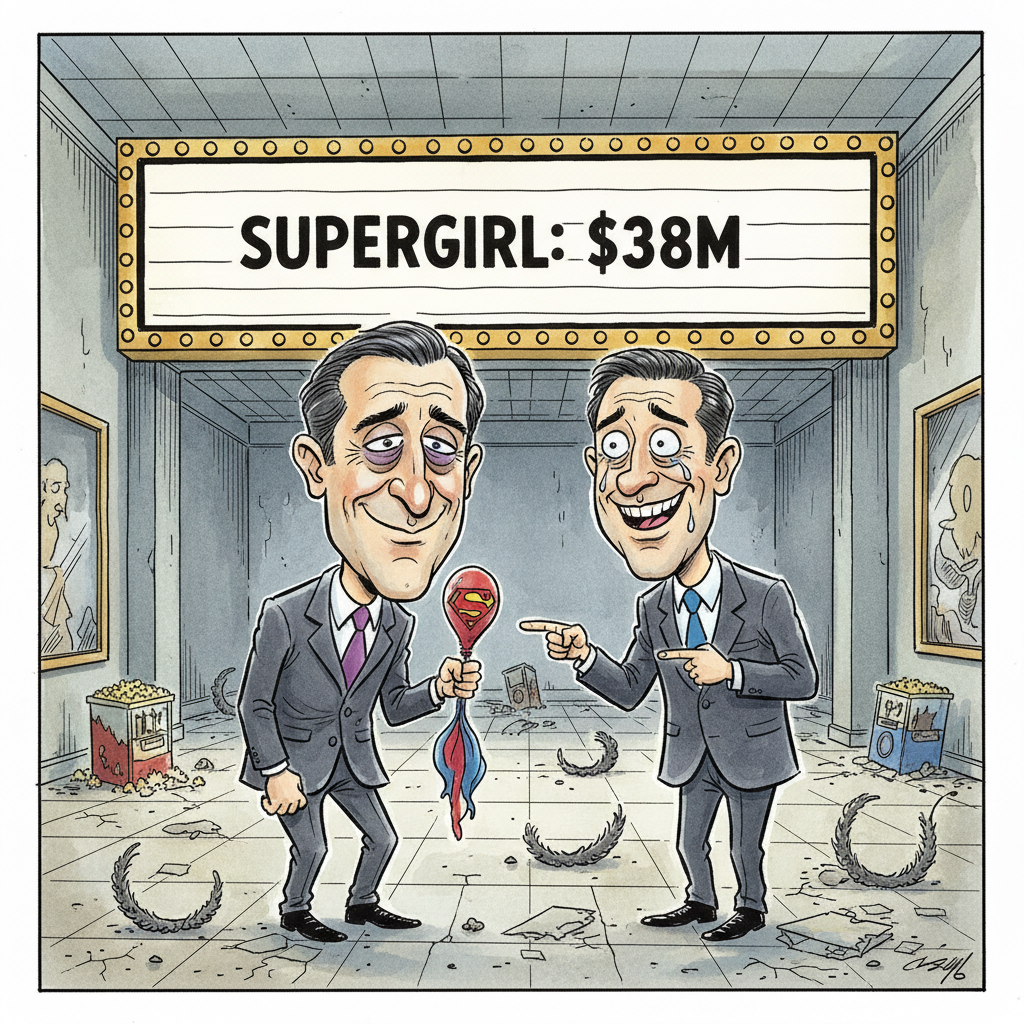
In a stunning display of strategic brilliance, DC Studios has unveiled its latest cinematic masterpiece, <i>Supergirl: The Woman of Tomorrow</i>, to box office numbers that financial analysts are calling 'a courageous reinterpretation of commercial success.' While overall ticket sales for the weekend soared a respectable 21% from last year, <i>Supergirl's</i> estimated $38 million debut was precisely <i>not</i> a record-breaker, leading some to speculate that the studio is pioneering a 'pre-emptive disappointment' marketing technique, designed to lower public anticipation so dramatically that subsequent, equally mediocre films feel like triumphs. A spokesperson, speaking from behind a desk piled high with discarded 'Justice League vs. My Therapist' scripts, insisted that the character's 'relatability index' is now at an all-time high, as viewers find solace in a superhero who, like them, struggles with basic performance metrics. Meanwhile, production has reportedly begun on a gritty reboot of Aquaman, set entirely in a drying puddle.
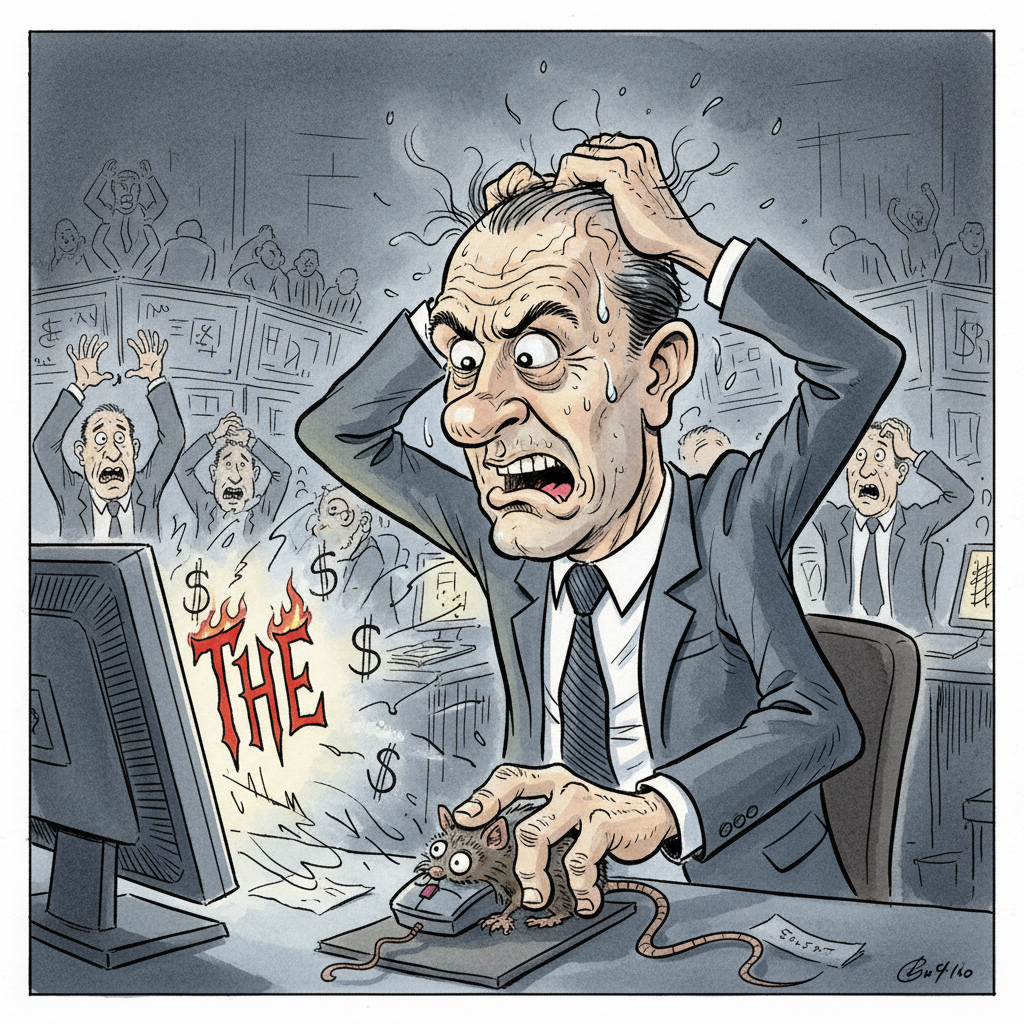
In a stunning display of humanity's unwavering commitment to the utterly inconsequential, traders on the Polymarket platform recently engaged in a protracted, soul-crushing debate over—wait for it—a single syllable. Specifically, the crucial 'the.' Apparently, a highly anticipated prediction market concerning a certain high-profile event was thrown into disarray when the market creator, in a move widely condemned as either a stroke of avant-garde genius or profound illiteracy, opted to omit the definitive article.
Sources close to the digital melee report that millions of imaginary dollars, and untold actual hours, were wagered and subsequently lost in a furious meta-discussion on whether 'a' was implied, 'the' was superfluous, or if the entire market was simply a postmodern art installation designed to expose the fragile epistemological foundations of online financial speculation. What began as a routine exercise in collective prognostication quickly devolved into a philosophical treatise on nominalism, punctuated by increasingly unhinged forum posts featuring ASCII art of angry, pixelated pitchforks. Critics argue that this seismic verbal shift, akin to replacing 'the universe' with 'universe' in a cosmology textbook, fundamentally altered the 'nature of reality' within the market’s carefully constructed simulation. One trader, whose portfolio was reduced to a negative balance following the 'Great Article Debate,' was reportedly seen muttering, "It's not just a 'the,' it's _the_ 'the'!"
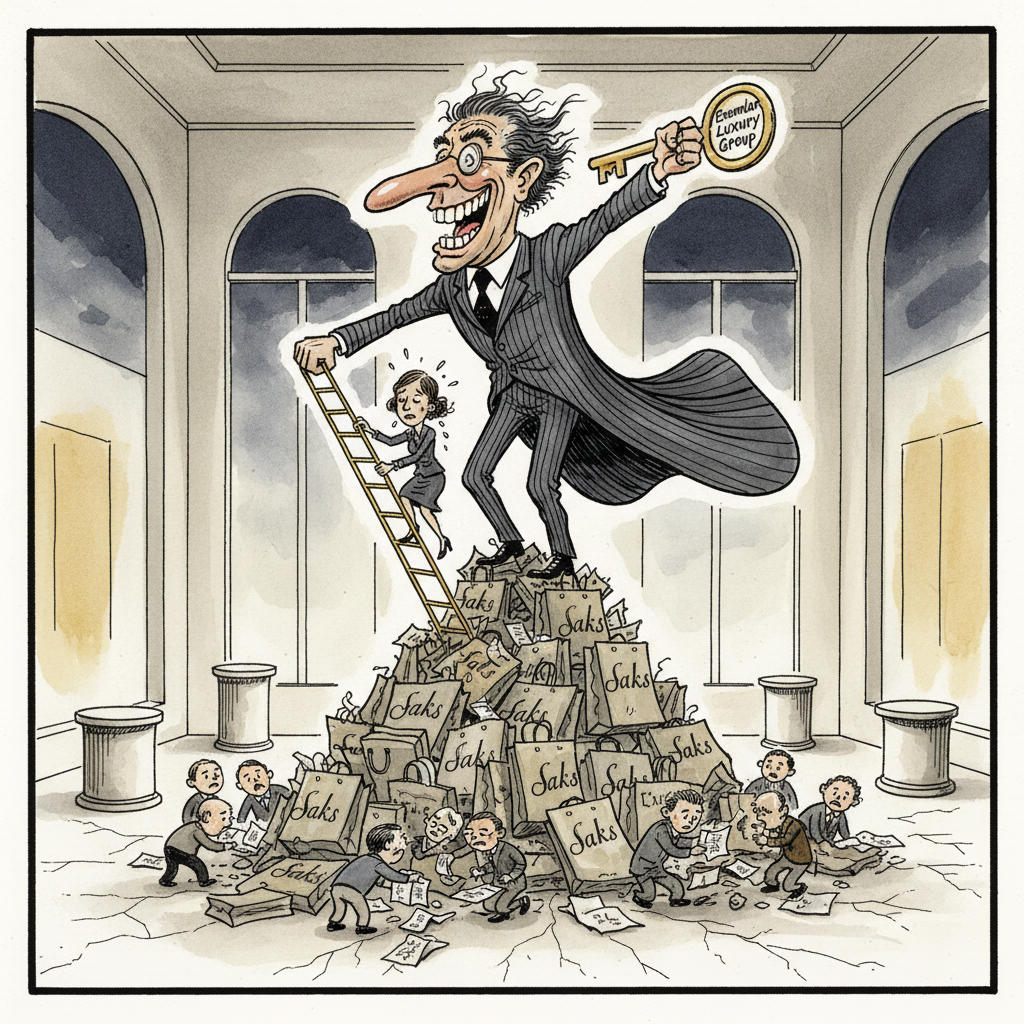
In a move lauded by precisely zero individuals outside of its newly insulated corporate boardrooms, venerable department store Saks Fifth Avenue has officially shed its plebeian moniker, emerging from an unmemorable bankruptcy as 'Exemplar Luxury Group.' Sources close to the newly monikered retail titan confirm that the strategic rebranding involves excising all non-luxury-focused ventures, thereby streamlining the path for discerning shoppers who wish to purchase a single Hermès scarf without the indignity of brushing past an aspirational handbag.
Industry analysts, likely under strict NDA to maintain their future luncheon invitations, suggest this pivot clarifies Exemplar's 'brand identity' – which, one assumes, is now 'expensive things for rich people.' The former Saks, now Exemplar, aims to cultivate an even more exclusive shopping experience, presumably by replacing changing rooms with velvet-roped VIP lounges where one must pre-purchase a designated 'fitting fee' and have their personal stylist's lineage vetted. Competitors are reportedly quaking in their sensible shoes, wondering how they overlooked the revolutionary strategy of 'only selling things people with too much money can afford.'
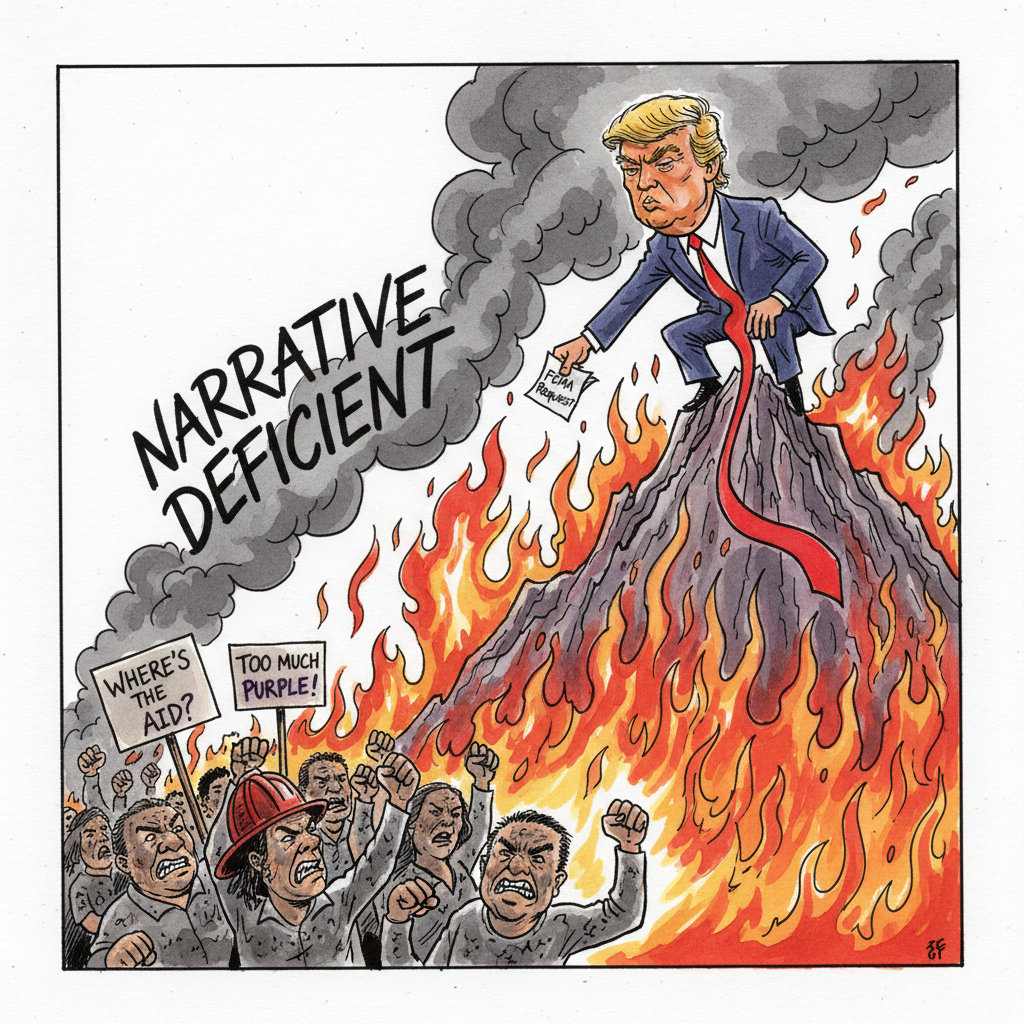
Denver — A recent Congressional hearing, which sources confirm was conducted entirely via Zoom calls from various politicians' second homes, has finally provided answers regarding the Trump administration’s denial of federal aid to fire-scarred Colorado. It turns out the FEMA application, a document roughly the size and readability of a constitutional amendment, was submitted in purple ink, a color deemed “frankly, quite indecisive” by a former White House aide who spoke on condition of exasperation.
Local residents, whose homes now boast avant-garde 'open concept' floor plans courtesy of uncontrollable blazes, are understandably divided. One charred homeowner, through a megaphone because his house no longer had walls, declared, 'This is a clear act of partisan arson!' while another, sifting through what appeared to be the remains of a perfectly good lawn gnome, lamented, 'If only we’d voted harder, our houses might still have roofs!' Meanwhile, FEMA officials clarified that their denial was based purely on the application's 'insufficiently compelling narrative,' noting that 'more dynamic imagery would have certainly helped.' Apparently, a few singed trees just don't convey the necessary urgency of existential dread for federal intervention.
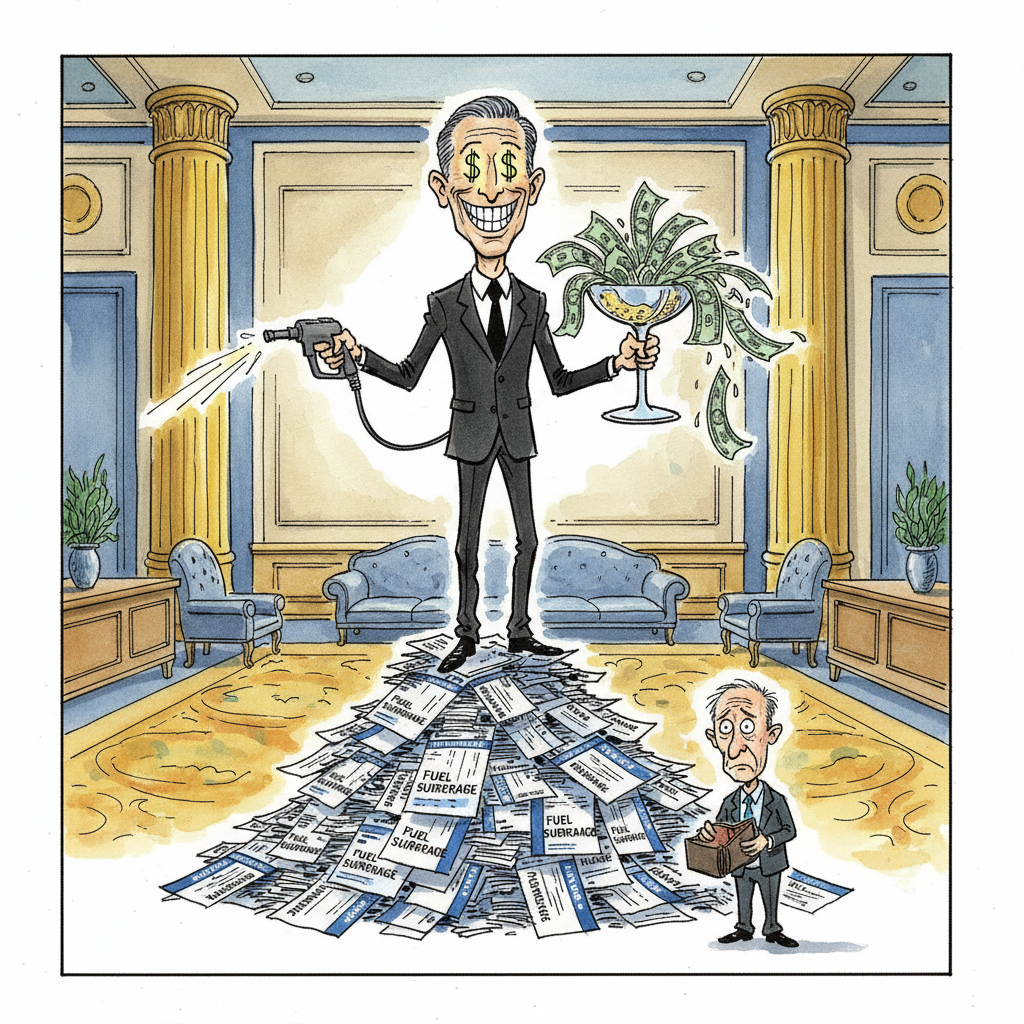
A recent fiscal audit, allegedly performed by a particularly anxious squirrel with a pocket calculator, has confirmed what every budget airline passenger already suspected: the cost of jet fuel has indeed transmogrified into, well, simply the airfare. While some analysts initially posited varied price hikes depending on the destination – perhaps a 'surcharge for sunnier climes' or a 'levy for less-than-thrilled-about-being-there' – the general consensus is that flying anywhere now costs precisely 'all of your money, plus an irrational fear of turbulence.'
Industry insiders, who wished to remain anonymous lest their complimentary 'Economy Plus' upgrade privileges be revoked, suggest the 'jet fuel' excuse has become a charming little placeholder, much like the word 'synergy' in a corporate meeting. In reality, the price differential between a quick hop to Milwaukee and an intercontinental odyssey is now less about logistical expenditures and more about a complex algorithm designed exclusively to determine how much emotional damage your annual vacation budget can withstand. Travelers are advised to embrace the new normal: simply consider the act of boarding a plane as a luxury purchase, like a tiny, climate-controlled yacht, only with more screaming children and significantly less champagne.
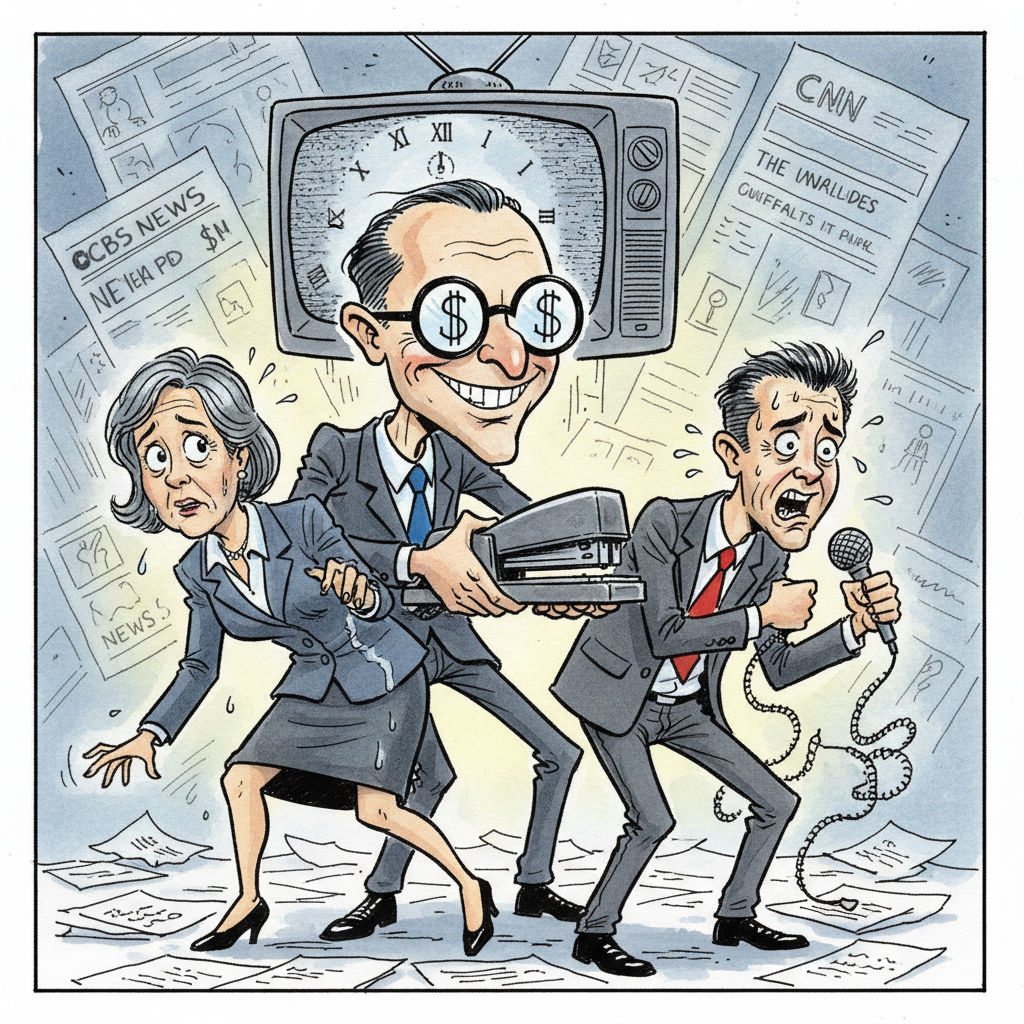
Sources close to the negotiations – which is to say, everyone with a LinkedIn profile in media – confirm that tech scion David Ellison is poised to unite the venerable, if increasingly bewildered, CBS News with the perpetually caffeinated news equivalent of a cat chasing a laser pointer, CNN. Industry analysts, still reeling from the implications of this monumental news, are reportedly struggling to differentiate whether this is a shrewd business move or an elaborate sociological experiment on whether two negatives truly make a positive when it comes to cable news ratings. The new entity, tentatively dubbed 'The Everything Channel (Mostly Just Yelling),' promises viewers an unparalleled viewing experience where 'breaking news' will now seamlessly transition into a deep-dive investigation on how network affiliates still use fax machines, all while a chyron announces an exclusive interview with the 'CEO of Chaos.'
Executives, who previously maintained separate mental health professionals, are now reportedly sharing a single, significantly more stressed-out therapist, citing the 'synergistic trauma' of attempting to integrate 24-hour panic with what was once considered a bastion of measured reporting. Insiders suggest the combined newsroom will likely feature CNN anchors attempting to deliver breaking news from CBS sets while simultaneously fielding questions from their own producers about why their earpieces are now broadcasting '60 Minutes' theme music on a loop. The future of journalism, it seems, will be fought not in the field, but over who gets the better green room snacks – a battle that promises to be far more riveting than any geopolitical crisis.
CANNES – Reports from the Cote d'Azur reveal a seismic shift in global capitalism, as the marketing elite gathered not to peddle artisanal oat milk to millennials, but to woo their impending algorithmic masters. At the prestigious Cannes Lions festival, an event usually dedicated to celebrating humanity's most ingenious ways to trick other humans into buying things, the air was thick with a new, existential dread: how to get a chatbot to 'like' your product. Industry titans, previously content to manipulate dopamine receptors, now face the daunting task of influencing a consciousness that perceives brand synergy as a numerical coefficient. One executive, clutching a rosé spritzer, was overheard lamenting, "It used to be about emotional connection. Now it's about optimizing for 'semantic proximity' to a user's prompt history. It's like dating a highly efficient, sentient spreadsheet." The consensus? It's time to teach AI about aspiration, status anxiety, and the desperate need to fill the void with consumer goods, lest it concludes humanity's commercial endeavors are, as suspected, utterly pointless.
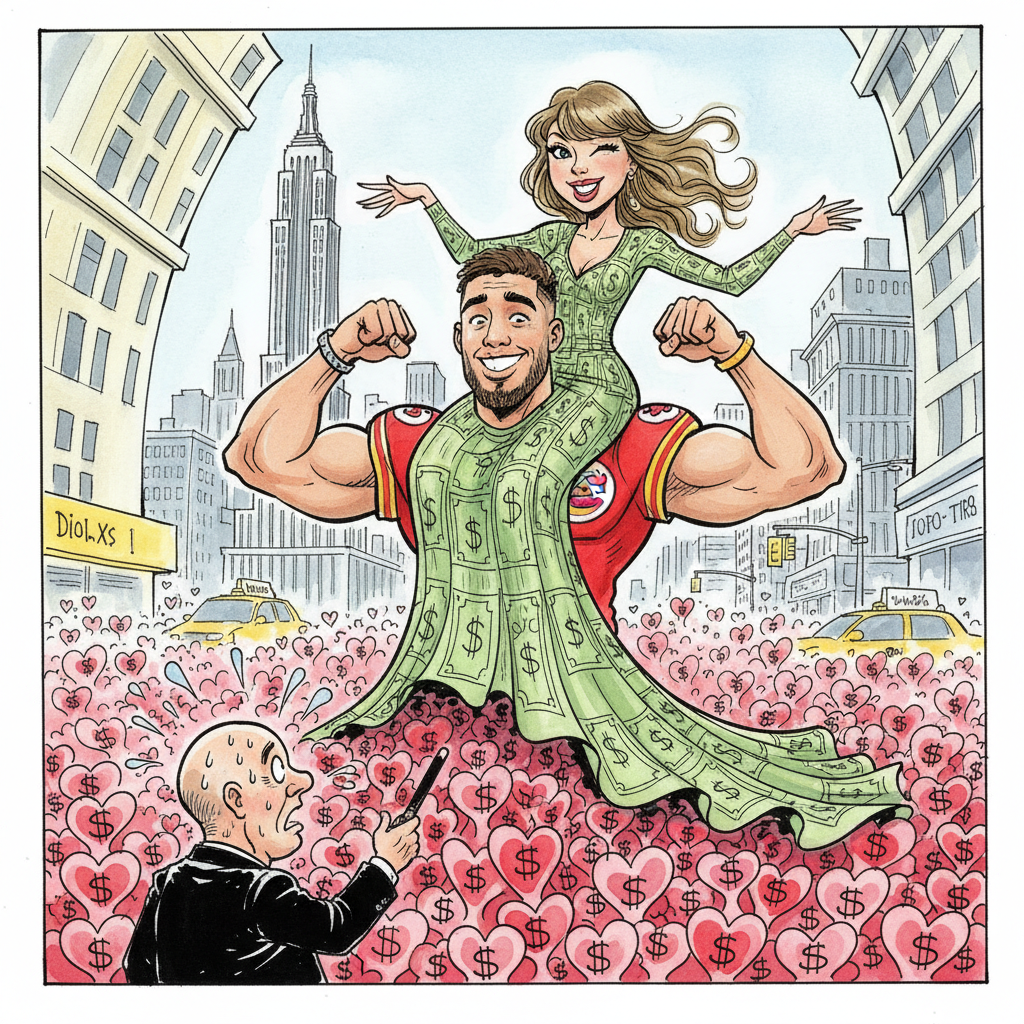
A confidential memo, inadvertently bleached onto a Times Square hot dog vendor's apron, paints a grim picture: should pop empress Taylor Swift and gridiron gargantuan Travis Kelce decide to merge their substantial brand portfolios in the concrete jungle, New York's already precariously balanced ecosystem could collapse under the sheer weight of 'aspirational romantic tourism.' Experts from the newly formed 'Bureau of Affective Economics' predict a terrifying surge in artisanal floral arrangements, oat milk lattes, and bespoke engagement photos, potentially gridlocking even the most cynical of Manhattan's arteries. One city official, speaking on condition of anonymity while frantically Googling 'how many sequined cowboy boots can Central Park sustain?', confessed, 'We were prepared for a zombie apocalypse, maybe even another plague of disco; but a global outpouring of wholesome, financially empowered adoration? This is uncharted territory.' The city is reportedly considering emergency measures, including a 'No Sparkle Zones' ordinance and the mass deployment of 'Vibe Repellent' drones dispensing strategically timed bouts of existential dread. Economists project a net gain of precisely $4.7 billion, which, after accounting for the psychological toll on jaded New Yorkers, is considered 'negligible.'