Regional Naivete: Empires Discover Small Countries Don't Appreciate Being 'Centralized'
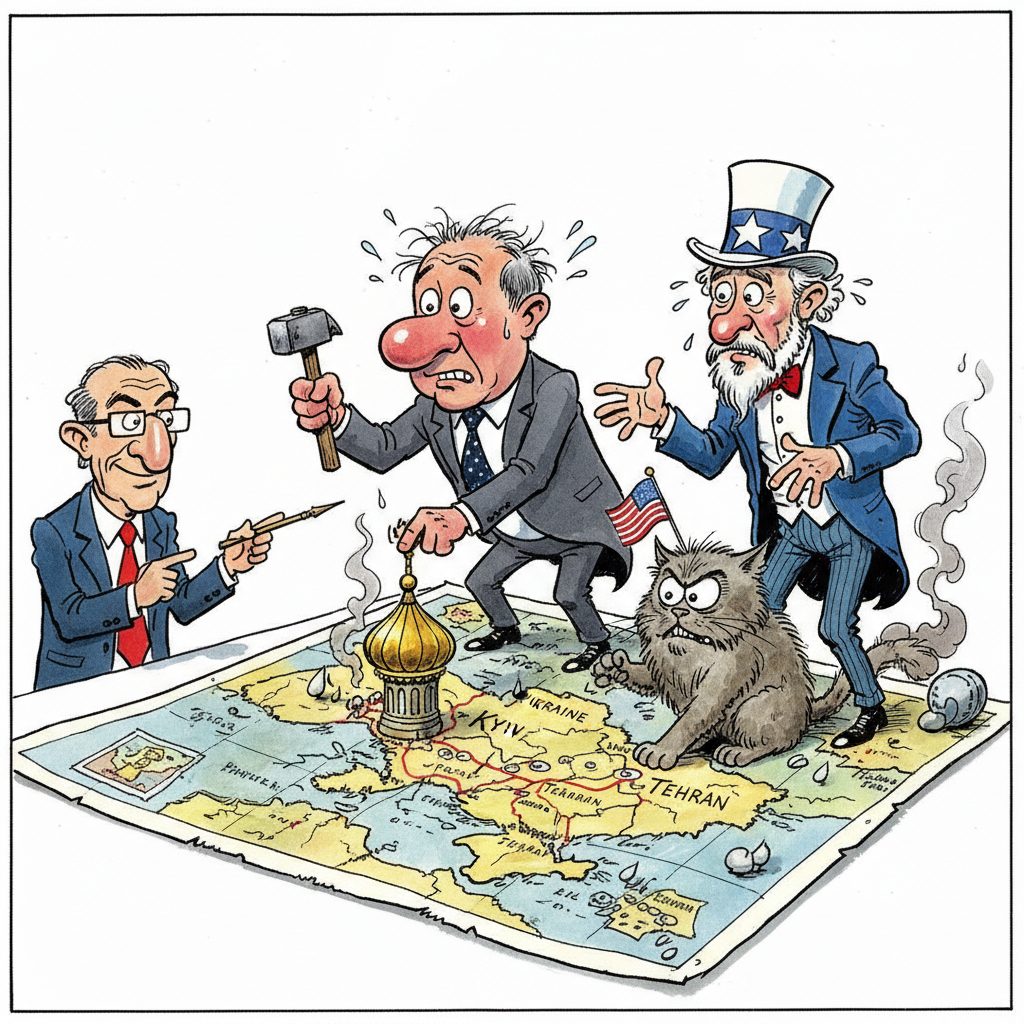
In a bombshell exposé that has intelligence agencies scrambling to redesign their dartboards, analysts have revealed a stunning lapse in great power strategy: apparently, assuming smaller nations are just miniature versions of oneself, eagerly awaiting a colonial glow-up, doesn't always pan out. Russia, reportedly baffled that Ukraine chose resistance over a fresh coat of Kremlin-approved paint, and the United States, still scratching its head over Iran's inexplicable disinterest in becoming a democratic capitalist theme park, have both experienced the profound shock of discovering that 'local customs' extend beyond artisanal cheese. Sources close to the Pentagon, speaking on condition of anonymity while polishing a freshly redesigned 'Hearts & Minds' pamphlet now featuring a QR code for 'Local Cuisine & Non-Invasion Diplomacy,' confirmed the tragic miscalculation. "We thought if we just drew enough concentric circles on a map, the region would naturally coalesce," admitted one exasperated strategist, whose last promotion was based on a PowerPoint demonstrating the 'spiritual unity' between Texas and Tehran. The shocking realization that nations, not unlike particularly stubborn houseplants, have their own root systems and prefer not to be replanted into a larger, more imposing pot without notice, has sent ripples of mild confusion through geopolitical circles. It turns out, even empires can get trapped, not by superior military might, but by the sheer, unyielding inconvenience of another country's deeply held preferences.